Artemis II is the next crewed step in NASA’s return to the Moon. It’s not a landing mission. It is a lunar flyby, built to prove that...
Artemis II is the next crewed step in NASA’s return to the Moon. It’s not a landing mission. It is a lunar flyby, built to prove that Orion, SLS, deep-space communications, life support, and the human body can all survive the trip out, around the Moon, and back home without drama. That sounds simple. It isn’t.
Key Takeaways
- Artemis II is a crewed lunar flyby, not a landing.
- The mission will test Orion, the Space Launch System, navigation, life support, and crew operations in deep space.
- The crew’s photos and check-ins matter because they show how humans handle distance, isolation, and the Moon’s far side.
- The toilet issue is funny until it isn’t; closed-loop crew systems are not optional.
- For readers tracking space hardware like consumer tech, this mission is basically a brutal real-world stress test of life-support engineering.
What is Artemis II?
Artemis II is NASA’s first planned crewed mission of the Artemis program. It will send four astronauts around the Moon and bring them back to Earth, but it will not land. That distinction matters. People keep talking as if every Moon mission is the same, which is sloppy. It isn’t.
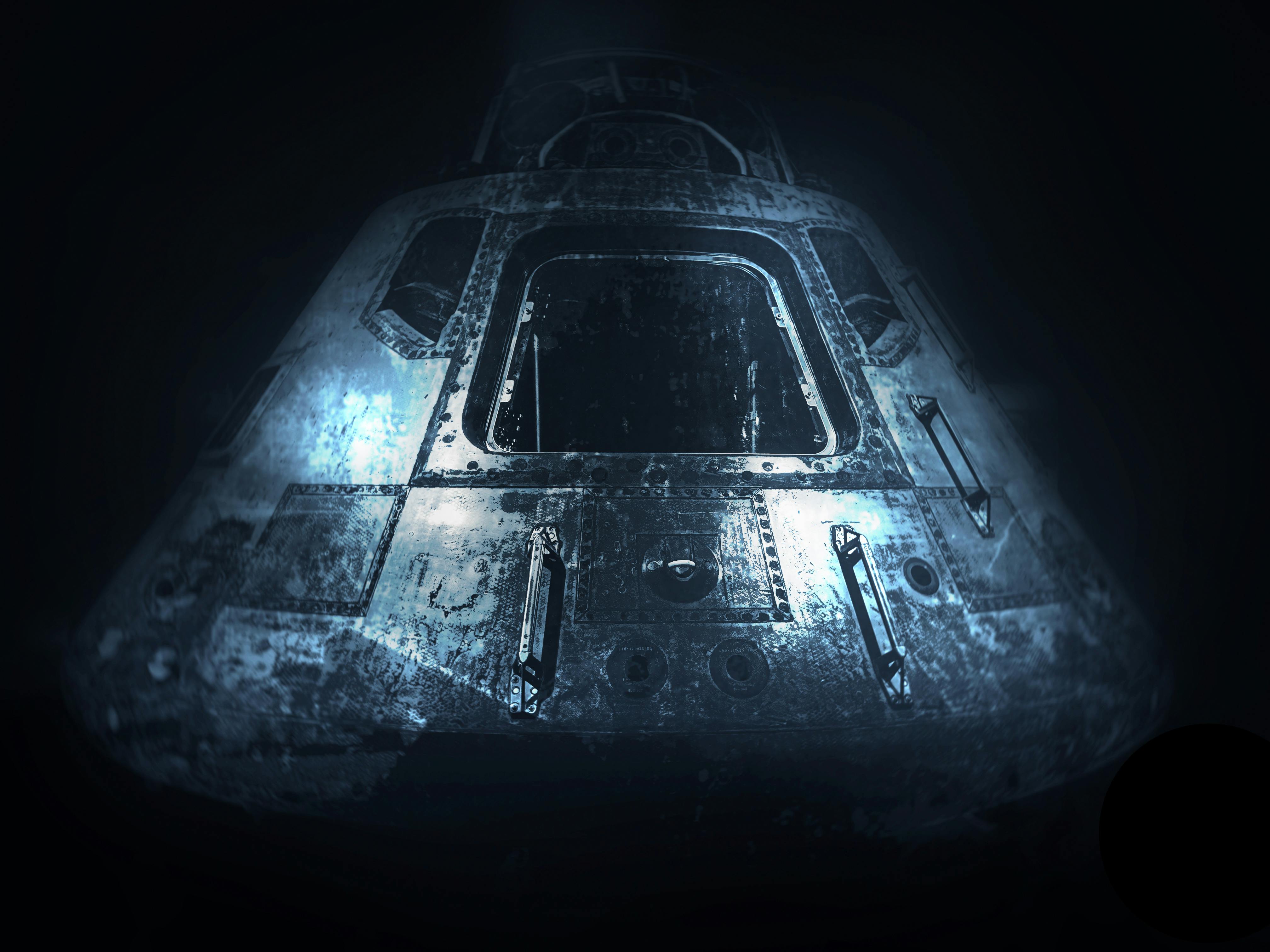
The mission uses Orion, NASA’s crew capsule, mounted on the Space Launch System rocket. The point is to verify that the spacecraft, guidance systems, thermal protection, propulsion, communications, and human support systems all behave properly beyond low Earth orbit. I’ve followed enough hardware launches to know this: the brochures are never the hard part. The hard part is whether the machine still works when nobody can walk over and fix it.
Artemis II also has a symbolic side, and I don’t mean the empty kind. When a crew sends back images of Earth from deep space, it puts the whole human project in perspective. We build impressive machines, sure, but they are still meant to serve human beings, not the other way around. That’s a pretty old idea, actually. Good engineering ought to respect human dignity and common good, not just chase bigger numbers on a slide.
The crew’s historic photos of Earth are not just pretty postcards. They help test cameras, communications, storage, and the workflows needed for future missions. If you want to understand why this flight matters, stop reading the marketing copy and look at the systems list. Artemis II is a proving ground for the Moon, Mars, and whatever comes after.
For a useful comparison, see NASA’s mission overview at NASA Artemis II and the mission background at NASA’s Artemis II feature page. Those are the clean facts. The rest is commentary.
Core Benefits and Why It Matters
Artemis II matters for reasons that are practical, not poetic. Yes, there’s national prestige, and yes, there’s a lot of headline-chasing. But the real value sits in the hardware, the procedures, and the evidence.
- It validates human-rated deep-space systems. Orion’s environmental controls, displays, software, seating, and emergency procedures must work in a place where rescue is not an option. That is not a small thing.
- It tests lunar navigation and communications. When the spacecraft passes around the far side of the Moon, Earth is out of direct line of sight. That means mission control has to trust onboard systems and timing. No second guessing.
- It trains crews for longer missions. Four astronauts living together in a capsule for days may sound quaint compared with streaming culture and gadget reviews, but the lesson is simple: reliability beats novelty when the stakes rise.
- It checks how humans respond to isolation and distance. The Moon is not far by cosmic standards, but it’s far enough to make every failure expensive. That’s a sobering kind of useful.
- It strengthens future lunar and Mars planning. Every telemetry packet, every checklist, every water recovery hiccup feeds later missions. The data are the point.
Here’s the kicker: most people hear “space mission” and think of dramatic visuals. Engineers think of margins, thermal loads, software states, and whether a valve opens when commanded. I’ve reviewed enough consumer hardware to know the pattern. Fancy design is easy. Sustained function is hard. Space just exposes the lie faster.
You can also think of Artemis II as a high-end reliability test, much like a brutal product review for a flagship device that gets launched into the worst possible environment. If you want a related read, compare the mission mindset with broader coverage like NASA’s Artemis program page. It’s all about systems working together, not one shiny component.
Step-by-Step: How Artemis II Will Work
- Launch from Kennedy Space Center. The SLS rocket lifts Orion and the crew off Earth. This is the obvious part, which is exactly why everyone ignores how difficult it really is.
- Earth orbit checkout. The crew and flight controllers confirm that the spacecraft is healthy, configured properly, and ready for translunar injection. In plain English: they make sure the machine isn’t lying.
- Translunar journey. Orion heads toward the Moon under its own propulsion and navigation plan. Crew systems, displays, power, and environmental support stay under continuous watch.
- Lunar flyby. The spacecraft goes around the Moon, including the far side. Communications drop or degrade as expected, then recover. That’s not a bug. That’s the point.
- High-value observation and photography. The crew takes images of Earth and the lunar surface, helping verify camera use, human factors, and operational workflows. These pictures are not fluff. They are data with a nice frame.
- Return transit. Orion comes back to Earth under intense heat and timing constraints. Entry, descent, and splashdown are the final exam.
- Post-flight analysis. The real work begins after the capsule lands. Engineers inspect every panel, system log, and anomaly report. That is where the lessons live.
When I look at missions like this, I think less about the spectacle and more about discipline. Human beings do their best work when they treat tools as responsibilities. That sounds old-fashioned because it is. It still holds up.
Here’s what nobody tells you: the toilet issue matters because life support matters. A crew vehicle is not a luxury pod. It is a sealed, finite habitat. Waste management, air quality, temperature control, and water handling are not side quests. They are the mission. Anyone pretending otherwise is selling you a fantasy.
For extra context on the spacecraft itself, NASA’s Orion overview at NASA Orion is worth a look. It’s the core machine doing the work.
Comparison Table: Artemis II vs. Apollo 8
| Feature | Artemis II | Apollo 8 |
|---|
| Mission type | Crewed lunar flyby | Crewed lunar orbit |
| Spacecraft | Orion | Command Module |
| Launch system | Space Launch System | Saturn V |
| Era | 2020s | 1968 |
| Primary purpose | Test deep-space systems for future lunar missions | First crewed lunar orbit, proof of concept |
| Crew size | 4 | 3 |
| Far-side communications | Modern digital systems, extensive telemetry | Limited by 1960s systems |
| Human factors focus | Habitability, software, life support, reuse lessons | Survival, navigation, and lunar operations |
| Technology priority | Long-duration reliability and future mission preparation | Achieving lunar orbit and returning safely |
The comparison is useful, but don’t get carried away. Apollo 8 was a different era with different tools, different risks, and less margin for error. Artemis II lives in a world with better sensors, better simulation, and better mission planning, yet that doesn’t make it easy. It just means the failure modes are more complicated.
If you like reading about how hardware gets judged in the real world, see how review culture frames reliability in sources like Space.com’s Artemis II mission guide. It’s a decent external overview, and yes, the details matter.
Common Mistakes to Avoid
People make the same mistakes every time a big space mission gets attention. It gets tedious.
- Calling Artemis II a Moon landing. It is not. It’s a flyby. Precision matters, and sloppy language hides the actual engineering challenge.
- Treating the mission as only symbolic. The symbolism is real, but the mission’s value is mostly technical. That’s the part that pays future bills.
- Ignoring support systems. Everyone obsesses over rockets and photos, then forgets the boring stuff: air, water, waste, thermal control, power, software integrity. Those systems decide whether a crew stays healthy.
- Assuming delays mean failure. In spaceflight, delay often means caution. I’d rather wait than watch a rushed launch produce a preventable mess.
- Overhyping every small milestone. A good photo, a system check, or a crew update is useful, but not every update is historic. Sometimes a checklist is just a checklist.
Frankly, the worst habit in tech media is turning every specification into destiny. It happens with phones, laptops, EVs, and yes, spacecraft. The truth is simpler: systems either hold up or they don’t. That’s the test.
There’s also a moral angle worth keeping in view, even if quietly. Human ingenuity is a gift, but it’s meant to serve real people, not feed vanity. Good engineering protects crews, preserves life, and widens the common good. That is the right order.
For mission status and official updates, the safest source remains NASA News Releases. Use the primary source before you repeat somebody’s hot take.
Frequently Asked Questions
Is Artemis II a landing mission?
No. Artemis II is a crewed lunar flyby. It will go around the Moon and return to Earth. Artemis III is the mission category more associated with a lunar landing plan.
Why does Artemis II matter if it doesn’t land?
Because the hard part is proving the spacecraft and crew systems can handle deep-space flight safely. A flyby tests communications, navigation, habitability, and reentry. That is not filler work.
What spacecraft is Artemis II using?
Artemis II uses Orion on top of the Space Launch System rocket. Those are the core pieces of the mission.
Why are the crew’s photos of Earth important?
They are operational as well as symbolic. The images help verify camera performance, crew workflow, and communications procedures while showing how humans perceive Earth from deep space.
Final Thought
Artemis II is one of those missions that looks simple until you know what to watch. Then it gets interesting fast. A crewed flyby sounds modest compared with a landing, but that modesty is misleading. The real work here is reliability under pressure, and that is where serious engineering shows its character.
I’ve spent enough time around product launches, specs, and polished claims to know this much: the best systems are the ones that do their job without making a speech. Spaceflight is the most unforgiving version of that truth. If Artemis II performs as planned, it won’t just be a nice photo op. It will be evidence that human beings can still build machines worthy of the trust we place in them. That’s the whole ball game.