Avalanche Energy’s Pentagon-backed work matters because long-life power is the real bottleneck in remote sensors, defense hardware, and certain industrial...
Avalanche Energy’s $5.2M DoD Award Could Change Nuclear Batteries. Here’s What That Actually Means.
Avalanche Energy’s Pentagon-backed work matters because long-life power is the real bottleneck in remote sensors, defense hardware, and certain industrial systems. Not flashy. Not cinematic. But if nuclear batteries become smaller, safer, and cheaper, they could outlast ordinary cells by years or decades while serving places where swapping a battery is a joke.
Key Takeaways- Avalanche Energy is working on compact power systems often called nuclear batteries, backed by a share of a $5.2 million U.S. Department of Defense award.
- The core promise is simple: tiny sources of steady power for long-duration devices where ordinary batteries are a maintenance headache.
- This is not a consumer gadget story yet. It is a materials, safety, and engineering story first.
- The big questions are radiation safety, output power, cost, and whether the tech can move from lab concept to field use.
- Most hype around "forever batteries" is nonsense. The useful cases are narrower, but very real.
What is a nuclear battery?
A nuclear battery is a device that converts energy from radioactive decay or fusion-related processes into electricity. That sounds dramatic, and it is, but the practical version is usually far less exotic than the phrase suggests. These devices are not tiny reactors stuffed into a watch. They are specialized power sources designed for low-to-moderate output over very long periods.
Avalanche Energy is one of the startups trying to shrink that idea into something useful, and the DoD money tells you where the early demand lives. Military sensors, remote monitoring gear, field communications, and space systems all hate frequent maintenance. I’ve reviewed enough hardware to know this much: the problem is rarely raw battery capacity. It is logistics. A battery you never have to replace is often worth more than a higher-capacity pack that dies in the field.
The phrase "nuclear battery" also covers multiple technologies, which people often mash together like they’re all the same thing. They are not. Some designs use radioisotopes and semiconductor conversion, others explore betavoltaics, and newer concepts experiment with fusion-adjacent approaches. Avalanche Energy has been associated with a compact fusion approach, aiming for devices that are safer and more controllable than older radioactive designs. That distinction matters.
Frankly, most tech headlines skip the annoying but essential questions: how much power, for how long, at what size, at what cost, and under what safety regime? A device that produces a trickle of power for sensors is useful. A device that can run a phone or laptop is a different beast entirely. People love to blur that line because hype sells.
If you want background on how this kind of hardware fits into the broader tech stack, it helps to compare it with other long-life systems. The conversation overlaps with battery tech advances, edge devices and remote monitoring, and even how consumer electronics manage power. Same problem, different scale.
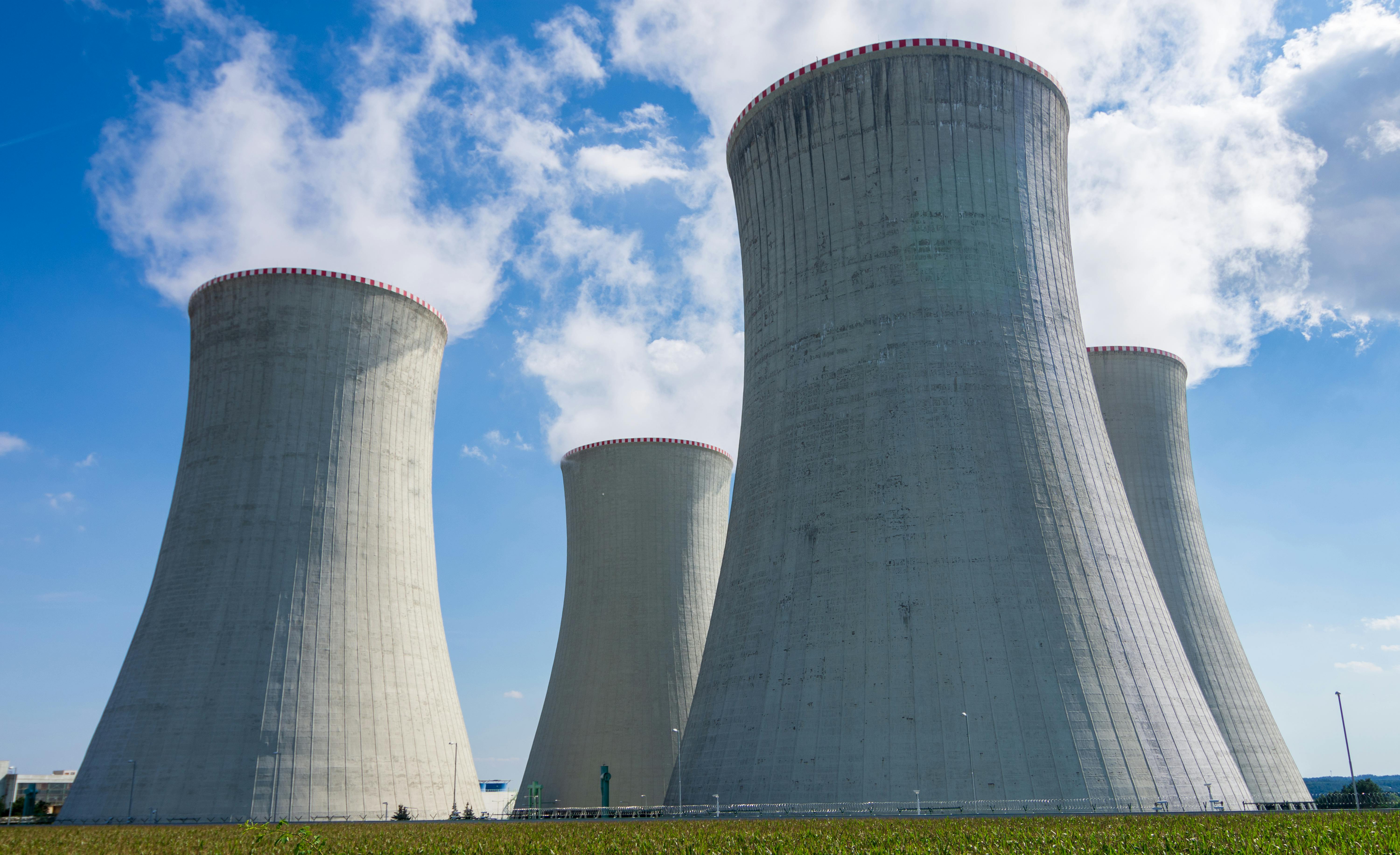
The big idea is not magic. It is stewardship. Human ingenuity, when used properly, should reduce waste, cut maintenance trips, and serve real needs without turning into reckless showmanship. Technology should help people do necessary work better, not become a monument to our own cleverness. That old wisdom still applies, even when the device has a nuclear label on it.
Core benefits and importance
The appeal of nuclear batteries is not mystery. It is boring, stubborn, practical endurance.
Here’s the kicker: for many real-world systems, that matters more than peak wattage.
- Long operating life: These systems are built for persistence. In remote locations, undersea sensors, desert installations, Arctic equipment, or space payloads, replacing batteries can cost more than the device itself.
- Reduced maintenance: Fewer battery swaps means fewer truck rolls, fewer broken seals, fewer exposed connectors, and fewer people sent to hard places for simple power problems.
- Stable output: Many low-power systems need consistent energy, not flashy bursts. A steady trickle can be more useful than a big battery pack that sagged after a cold night.
- Logistics savings: Defense and industrial operations care deeply about supply lines. A power source that lasts a long time can simplify stockpiles, inventory, and field support.
- Potential space use: Spacecraft and satellites love long-life power, because space does not forgive maintenance mistakes. Every gram and every service visit counts.
- Safer remote sensing: In some use cases, a low-power source can keep sensors active in dangerous or inaccessible environments without constant human presence.
But let’s not pretend the benefits are universal. I’ve seen too many “revolutionary” batteries turn out to be niche tools wearing a superhero cape. Nuclear batteries are not automatically better than lithium-ion, solid-state cells, or energy harvesting. If a sensor can run on a small solar panel and a decent capacitor, that is usually cheaper and simpler.
Still, the value proposition gets stronger as the environment gets worse. Cold kills chemical batteries. Heat hurts them too. Vibration, sealed enclosures, and years of unattended use make the usual pack-and-replace model ugly. In those cases, nuclear-based systems can make sense where regular cells become a maintenance tax.
There is also a wider strategic point. The U.S. wants resilient power for defense systems, not just more consumer gadgets that die after a few years and get tossed into a drawer. That aligns with a more responsible view of engineering: build tools that last, reduce waste, and serve the common good. Not every device should be a disposable plastic habit.
For readers following adjacent device trends, this sits in the same larger conversation as wearable device battery trends and how IoT hardware survives in the field. Different markets, same ugly truth: power is the whole game.
Step-by-step implementation guide
If you are trying to understand how a project like Avalanche Energy’s moves from award money to actual hardware, the path is messy, slow, and heavily regulated. No shortcuts. No magic powder.
- Define the target use case
The first step is not building a device. It is choosing the job. Is it a sensor? A remote transmitter? A space component? A backup source for low-power electronics? Without a narrow use case, the engineering becomes bloated and pointless. I’ve seen this mistake in product teams plenty of times: they chase a broad market before they prove a narrow one. - Set realistic power goals
Nuclear batteries are often misunderstood because people assume “nuclear” means huge power. It usually does not. The team has to specify output, lifetime, operating temperature, size, and acceptable shielding. If the numbers do not line up, the concept stays a lab curiosity. - Choose the conversion method
This is where the engineering gets serious. Different approaches convert decay or fusion-related energy into usable electricity in different ways. The choice affects efficiency, heat, radiation exposure, durability, and scale. There is no free lunch here, and anyone selling one is trying to sell you something. - Address shielding and safety
Safety is not a footnote. It is the whole thing. A viable design must contain radiation, protect users, and meet regulatory rules. That means materials science, packaging, testing, and compliance work long before any field deployment. - Prototype for endurance, not just output
A prototype that works for a week is not enough. The point is longevity. I look for evidence of thermal stability, degradation rates, packaging integrity, and output consistency over time. Most demos are too polished and too short. - Test in harsh environments
If the target is defense, space, or industrial gear, then lab conditions are almost irrelevant. The real test is temperature swings, vibration, dust, shock, moisture, and long dormancy. That is where weak ideas fall apart. - Compare against alternatives
Every project should be measured against lithium-ion, primary cells, solar-plus-storage, supercapacitors, and energy harvesting. If nuclear batteries do not beat the competition on total cost, reliability, or maintenance burden, they lose. Simple as that. - Plan the regulatory path early
Nuclear-adjacent hardware drags paperwork behind it. That is not bureaucratic trivia. It is the price of handling dangerous materials or high-consequence systems responsibly. Skipping this step is how projects die. - Scale only after the field case is proven
Scaling too early is how startups burn money like a bonfire. A narrow pilot, a real deployment, and documented performance matter more than polished slides.
When I review emerging hardware, I always ask the same annoying question: who actually benefits first? Here, the answer is likely defense, aerospace, and specialized industrial systems. Not your phone. Not your earbuds. Not anytime soon.
If you want a broader look at hardware rollout pitfalls, see why product launches fail in hardware and how engineers validate power systems. Those lessons apply here, even if the physics is stranger.

Comparison table
Below is the plain comparison most press releases avoid. Nuclear batteries are promising, but they are not the only game in town.
| Factor | Nuclear battery concept | Lithium-ion battery | Winner for most consumer devices |
|---|
| Expected lifespan | Very long, potentially years or decades | Typically years, then degradation | Lithium-ion, because it is available and cheap |
| Maintenance | Very low | Moderate over time | Nuclear battery for unattended systems |
| Energy density use case | Best for steady low power | Better for higher-power bursts | Lithium-ion |
| Safety concerns | Radiation/material handling and regulation | Thermal runaway and swelling | Neither is perfect, but lithium-ion is easier to deploy |
| Cost today | High and uncertain | Mature and relatively low | Lithium-ion |
| Best fit | Remote sensors, defense, space, specialized industrial gear | Phones, laptops, tablets, EVs, wearables | Lithium-ion |
| Time to market | Early and uncertain | Already widespread | Lithium-ion |
The table tells the truth without theater. Nuclear batteries may be superior in long-duration, hard-to-reach environments. For ordinary consumer electronics, they are almost certainly the wrong tool. A phone needs bursts of power, frequent charging, and cheap manufacturing. A nuclear battery is overkill, and probably a nightmare for regulators and customers alike.
That is why the current excitement should be framed properly. This is not about replacing every battery in your house. It is about solving power problems where replacement is painful, dangerous, or impossible. That narrower mission is far more credible.
If you’re comparing battery and device economics more broadly, the same logic shows up in smart home power tradeoffs and industrial sensor power budgets. Power strategy always comes down to use case, not slogans.
Common mistakes to avoid
The first mistake is believing the headline word instead of the engineering.
That one gets people every time.
- Mistaking long life for high power: A device that lasts a long time may still produce very little electricity. Longevity and wattage are different things, and mixing them up leads to bad buying decisions.
- Assuming all nuclear batteries are the same: They are not. Radioisotope systems, betavoltaics, and compact fusion concepts are different technologies with different risks and uses.
- Ignoring regulation: If the hardware involves nuclear material or related systems, compliance is not optional. It is the gate.
- Overestimating consumer relevance: Most people do not need a nuclear battery in a smartwatch. They need a decent battery, fast charging, and honest software.
- Buying into press-release physics: Startups love to talk like the prototype is already a product. It usually is not.
- Forgetting total system cost: A power source is not just the cell. It includes packaging, safety systems, handling, transport, maintenance, and disposal.
- Treating maintenance-free as maintenance-free forever: That phrase is usually marketing sludge. Nothing is zero-maintenance. Something always pays the bill, even if it is delayed.
The common advice online is often lazy: “Wait for the tech to mature.” That is not advice. That is a shrug. Better advice is more specific: wait for real field data, thermal tests, regulatory milestones, and independent performance numbers. Otherwise you are just cheering for a PowerPoint deck.
There is also an ethical mistake people make with any advanced power tech: they focus on capability and forget purpose. The point of engineering is not to dominate nature for its own sake. It is to build tools that serve people wisely, reduce waste, and support human flourishing. That is the difference between cleverness and stewardship.
For similar sanity checks, read how to judge battery specs honestly and what makes a durable device truly durable. Specs are easy. Reality is the hard part.
Frequently asked questions
What did Avalanche Energy receive funding for?
Avalanche Energy received a share of a $5.2 million U.S. Department of Defense award to develop long-lasting nuclear battery-related technology. The funding supports research aimed at compact, durable power sources for specialized applications.
Are nuclear batteries safe?
They can be safe when properly engineered, contained, and regulated, but safety depends on the specific technology. The term covers multiple approaches, and each one has different risk profiles, materials, and compliance requirements.
Will nuclear batteries replace lithium-ion batteries?
No, not for most consumer devices. Lithium-ion remains far better for phones, laptops, tablets, and other high-demand products. Nuclear batteries are more likely to serve niche roles where long-term unattended operation matters more than high power.
When will these batteries be available to the public?
Probably not soon. Most of this work is still early-stage and focused on defense, aerospace, or specialized industrial use. Public availability depends on technical proof, safety testing, and regulation.
The smartest thing about Avalanche Energy’s DoD-backed work is also the least flashy. It targets a real pain point instead of chasing gadget vanity. That alone is refreshing. I’ve seen too many tech projects chase headlines while ignoring the dull, essential problem underneath. Power is often that problem.
If compact nuclear batteries mature, they could quietly improve systems that people rarely think about but rely on every day: border sensors, scientific stations, emergency gear, aerospace platforms, and remote monitoring tools. Not glamorous. Very useful.
And that is the part worth respecting. Good engineering is not about spectacle. It is about making something that serves a real need without wasting material, time, or human effort. That kind of work fits an older moral instinct too: use what you have wisely, build for the common good, and do not confuse novelty with virtue. The future needs fewer shiny distractions and more durable tools.
One more thing. If a battery lasts longer, that is only half the story. The other half is what people do with the extra time, fewer replacements, and lower waste. That is where the real value lives.