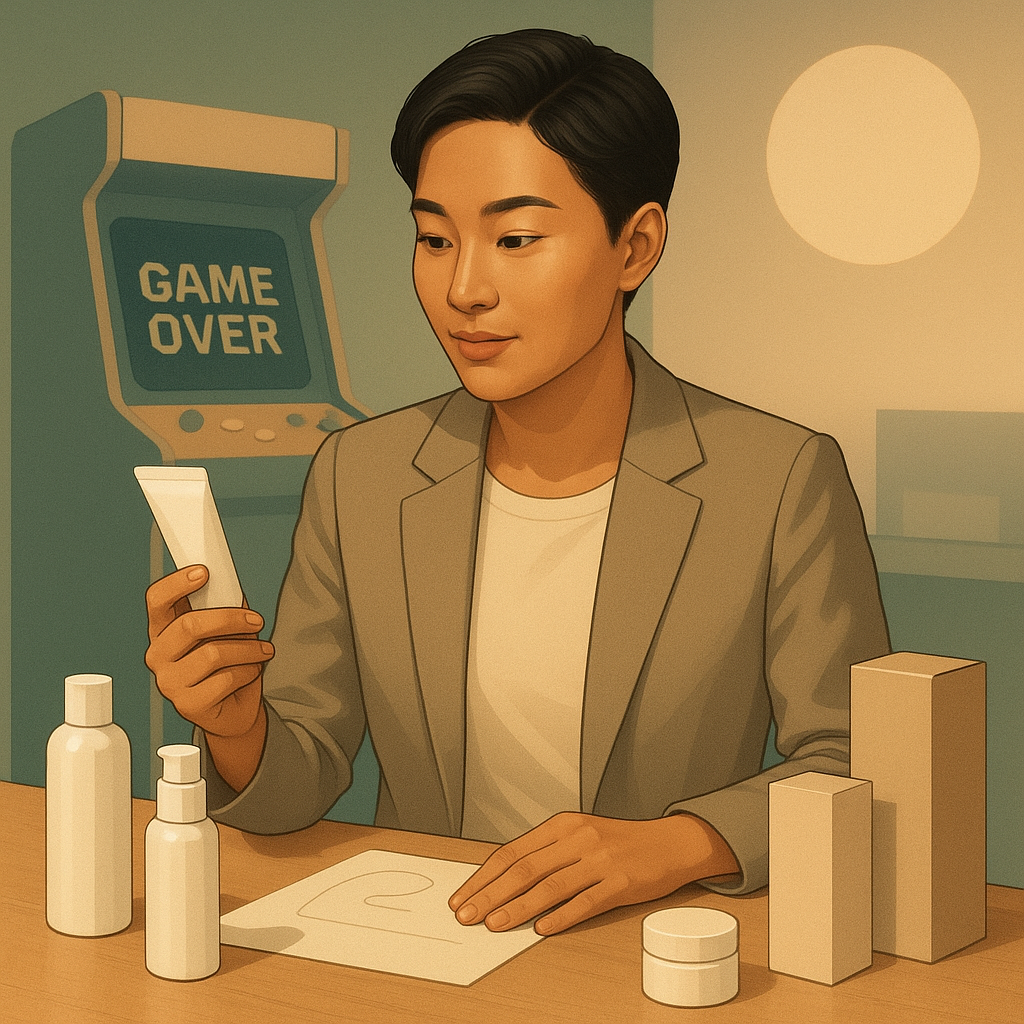
A former Xbox manager built a Korean skincare startup before layoffs arrived.
A former Xbox manager built a Korean skincare startup before layoffs arrived.
The point is simple. Career shocks often force people to notice what they had already been building in the margins, and this one is about a woman who used executive discipline, consumer instincts, and a very unglamorous amount of planning to create a business that had nothing to do with gaming, but everything to do with timing, grit, and product-market fit.
Key Takeaways
- She did not wait for a layoff to start thinking like a founder.
- Korean skincare is crowded, so execution matters more than hype.
- Brand trust, sourcing, and routine usefulness beat empty buzzwords.
- A transition from Xbox to skincare sounds odd, but skills transfer more than people admit.
- Technology careers can fund, sharpen, and even discipline consumer brand building.
What is a former Xbox manager-built Korean skincare startup?
It is a founder story, not a miracle story.
More specifically, it is the case of a tech industry manager who used the habits of product planning, cross-functional coordination, and ruthless prioritization to build a skincare company focused on Korean beauty routines before a round of layoffs hit her employer. That matters because most startup stories are told like destiny arrived in a neat little box. Nonsense. Real businesses usually begin as half-formed bets, then become real through logistics, customer research, and a long slog through boring decisions.
I have reviewed enough consumer products to say this plainly: the idea is not rare, the execution is. Plenty of people want to start a beauty brand. Very few can source formulas, explain ingredients without sounding like a fraud, and position a product for customers who already know the difference between a toner, essence, serum, and moisturizer. Korean skincare, in particular, is not a cute trend bucket. It is a system built around layering, hydration, skin barrier care, and prevention. If you get the routine wrong, consumers notice fast.
That is where the Xbox background becomes interesting. A manager in a major tech company learns to handle deadlines, budgets, launches, vendor talks, and internal politics. Frankly, that sounds closer to entrepreneurship than many founders want to admit. Gaming hardware, beauty products, and consumer electronics sit in different aisles, but the same old rules apply: users care about performance, consistency, and whether the thing solves a real problem.
When a founder moves from tech to skincare, the best advantage is not glamour. It is discipline. The person who can run a product review meeting, pressure-test assumptions, and keep a team aligned is often better prepared than the person who simply loves the aesthetic. I have seen plenty of beautiful brands collapse because nobody could answer basic questions about replenishment, margins, or customer retention.
There is also a deeper lesson here about stewardship. Human talent is not meant to sit idle until a corporate memo arrives. Skills are gifts, and good business uses them for real benefit, not vanity. That may sound old-fashioned, but old-fashioned beats bankrupt.
Core Benefits and Why It Matters
- It shows transferable skills are real. A manager from Xbox likely brought project management, launch coordination, and stakeholder handling into the startup. That stuff counts more than people think.
- It exposes how crowded beauty really is. Korean skincare is not easy money. It is a field with obsessed customers who compare ingredient lists the way hobbyists compare processor specs.
- It rewards preparation over panic. Building before layoffs is the opposite of reactive scrambling. That is the kind of planning that avoids chaos later.
- It proves consumer trust is earned slowly. Beauty buyers want texture, results, and consistency. They do not care that your logo has a pretty gradient.
- It highlights the value of timing. Sometimes market timing is less about predicting the future and more about refusing to waste the present.
- It reminds us that work should serve people. The Catholic instinct here is simple: business should support human dignity, not just extraction and vanity. A product that helps people care for themselves responsibly is more defensible than a brand built on ego.
Here is the kicker. Most advice about “following your passion” is thin soup. Passion does not ship inventory. Passion does not handle customs paperwork. Passion does not fix a weak margin structure. What matters is whether a founder can pair interest with operating competence.
In skincare, competence shows up in formula stability, packaging that does not leak, ingredient transparency, and claims that are not bloated nonsense. I am skeptical of any beauty startup that talks more about “radiance” than sun protection, barrier support, or actual user experience. Korean skincare has gained loyalty because it often respects the routine itself, not because it throws around fashionable words.
For consumers, that is good news. A founder with tech training may bring more rigor to the business than a typical influencer-backed launch. The company may be more likely to test claims, measure feedback, and avoid the lazy trap of selling personality instead of product.

Step-by-Step Guide: How This Kind of Startup Gets Built
This is the part people skip.
- Choose a problem, not a vibe. Start with what customers actually need. In skincare, that might be dry skin, sensitive skin, uneven texture, or a routine that is too complicated. I have found that founders who begin with a vibe usually end with unsold boxes.
- Study the category like a skeptic. Look at ingredients, packaging, price tiers, distribution channels, and claims from existing Korean skincare brands. Read Allure’s K-beauty coverage, then compare that with retailer behavior and consumer reviews. Pretty labels are cheap. Product credibility is not.
- Validate the routine. Test whether your line fits into a real morning and evening routine. Consumers do not want a six-step lecture from a founder who has never had to get out the door by 7 a.m. The best products make routines simpler and more sustainable.
- Source carefully. Formula sourcing, manufacturing standards, and packaging quality matter more than launch-day hype. Search for manufacturers who can document ingredients and quality control. If the supplier cannot answer basic questions, walk away.
- Build the brand around utility. The strongest beauty brands explain what a product does, who it helps, and why it belongs in a daily routine. This is where the Xbox background can help: consumer products live or die on clarity, not wishful thinking.
- Use launch discipline. Treat every launch like a product release. Set deadlines, define success metrics, and measure customer feedback. This is where founders with tech habits often outperform pure marketers.
- Treat customer service as product design. Returns, reactions, and shipping issues tell you more than polished ad copy. When I tested consumer brands over the years, the companies that survived were the ones that listened without defensiveness.
- Protect cash flow. Inventory is a trap. Marketing is a trap too, if you buy attention faster than you earn repeat buyers. Be stingy where it counts. That is not cowardice; it is arithmetic.
If you want deeper context on hardware-to-consumer-product thinking, this is the same kind of discipline that separates speculative launches from durable ones, similar to how serious buyers read a product review before dropping money on gear. People want proof. They should.
Comparison Table: Startup Discipline vs. Beauty Trend Chasing
| Factor | Tech-Disciplined Startup | Trend-Chasing Beauty Brand |
|---|
| Product development | Structured, tested, iterative | Fast, cosmetic, often shallow |
| Customer insight | Based on use cases and pain points | Based on aesthetics and buzz |
| Operations | Measured, documented, accountable | Loose, reactive, improvised |
| Ingredient/claim rigor | Stronger scrutiny | More likely to overpromise |
| Margin management | Careful and tracked | Often ignored until trouble |
| Long-term viability | More durable | Fragile when hype fades |
The contrast is plain. One model builds something customers can use. The other sells mood lighting and optimism.
Common Mistakes to Avoid
Most startup advice is written by people who have not had to sign for a shipment.
- Mistake 1: Confusing personal taste with market demand. The founder may love a rich cream or a clean, minimalist tube. Fine. The customer may want fragrance-free, lightweight, or budget-friendly instead. Taste is not a business model.
- Mistake 2: Overusing buzzwords. “Clean,” “luxury,” “glow,” and “science-backed” mean nothing without evidence. I distrust brands that talk like ad agencies and behave like amateurs.
- Mistake 3: Ignoring compliance and labeling. Cosmetics are not casual toys. Claims, ingredients, and packaging rules matter. If the label is wrong, the product can become a liability.
- Mistake 4: Thinking audience attention equals loyalty. Followers are not customers. Likes do not reorder serum. Repeat purchase is the only applause that pays the rent.
- Mistake 5: Building too many products too soon. One strong item beats five mediocre ones. The market punishes clutter.
- Mistake 6: Forgetting the human side. A brand can be efficient and still careless. Responsible business, in the old moral sense, means treating customers fairly, paying attention to side effects, and not pretending a cosmetic product can do what it cannot.
The truth is, a lot of founder advice pretends every idea should scale immediately. That is reckless. Good stewardship means growing at a pace the company can actually support. There is nothing glamorous about avoiding waste, but waste is expensive and often fatal.
If you want a good parallel from the tech world, look at how buyers compare smartphones or laptops before committing. Even a glossy mobile device review can reveal when marketing outruns reality. Beauty works the same way. If the product is weak, the market eventually notices.
Frequently Asked Questions
What makes Korean skincare different from other beauty categories?
It usually emphasizes layering, hydration, and barrier support rather than aggressive quick fixes. The best products are built for routine use, not miracle claims.
Why would a tech manager be good at building a skincare startup?
Because product launches, vendor management, planning, and customer feedback loops are similar across industries. Different category, same operating headaches.
Is starting a skincare brand risky?
Absolutely. The category is crowded, margins can get squeezed, and product quality has to be high. A bad formula or vague claim can sink trust fast.
What is the biggest mistake new founders make in beauty?
They think branding can cover up weak execution. It cannot. Packaging gets attention; product quality earns repeat buyers.
Final Thought
This story is not really about layoffs.
It is about what happens when someone refuses to let a corporate ending define her next chapter, and instead uses hard-won experience to build something ordinary people might actually want. That kind of move is practical, not romantic, and I respect that. The modern economy rewards noise, but durable work still wins in the end.
There is a small moral in that, too.
The best business decisions are rarely the loudest ones. They are the ones that respect reality, serve real needs, and keep human dignity in view while the spreadsheets do their cold little dance. A startup built with discipline, restraint, and a customer-first mind is not just a career pivot. It is a sign that skill can be put to better use than any corporate title ever allowed.