Choose the right smartphone now.
How to Choose the Right Smartphone in 2026: A Practical Buyer’s Guide
Choose the right smartphone now.
This guide analyzes processors, displays, battery life, camera systems, and operating systems to give a clear, practical method for matching your needs to real devices, trimming the marketing fluff so you buy what you'll actually use.
No hype.
Key Takeaways:
- Pick the right Processor for your workload. Short battery tests lie.
- Balance Display quality with Battery Life — not just megapixels. I explain why.
- Don’t overpay for features you won’t use. Be a good steward of resources.

What is choosing the right smartphone?
Short answer first.
Choosing the right smartphone in 2026 means matching Processor, Display, Battery Life, Camera, and Operating System to how you actually live and work, not to the peak numbers on a spec sheet, because real-world use matters more than benchmarks.
Ask yourself this simple question.
When I review phones I start with real needs.
I filter devices by compute load, screen usage, photography habits, and update policy, then discard the rest, because most buyers pick the loudest ad rather than the best fit.
Let’s be blunt.
Core Benefits and Importance
Clarity helps.
Picking the right phone avoids wasted cash, reduces e-waste by keeping devices longer, and gives you a smooth daily experience without regrets, which matters if you care for others and want to steward resources responsibly.
Is that obvious?
Processor matters.
Choose a chipset that fits your habits — flagship silicon for intense gaming and video work, efficient midrange chips for web, social, and light multitasking — because raw cores and clocks only tell part of the story, and thermals and software optimization decide how fast a chip really feels.
Want performance that lasts?
Display choices affect comfort.
Higher refresh rates and brighter OLEDs look great and make interactions silky, but they drain Battery Life and rarely change productivity, so weigh screen quality against endurance and the phone’s Operating System power management.
You’ll thank me later.
Camera systems are emotional.
Many purchases hinge on photography, so prioritize sensor size, lens versatility, and software processing over flashy megapixel counts, because computational photography determines the final image far more than a headline number.
Snap smarter.
Operating System and updates shape longevity.
Android manufacturers vary in update policies and custom skins, while iOS gives a long support runway on recent iPhones, so pick a platform that aligns with your privacy, app needs, and update expectations.
Make updates a factor.
Step-by-Step Implementation/Guide
Start with how you use a phone.
Write down your daily tasks, from calls and maps to photo hunts and streaming, then rank them by importance, because a shopping checklist beats impulse.
Ready?
Set a realistic budget.
Match three tiers to needs — value (under $400), midrange ($400–$800), and flagship ($800+) — then assign features to tiers, like optical zoom to flagships and high refresh rate to midrange, because paying top dollar for small returns is common and avoidable.
Stick to your plan.
Compare real-world battery numbers.
Look for battery capacity, but cross-check with measured screen-on-time tests and charging speeds, since a 5000 mAh pack with poor software will underperform a smaller but better-optimized battery.
Test reports matter.
Evaluate the camera by samples, not specs.
Review daylight, low-light, and portrait shots from multiple sources, and pay attention to how the Operating System processes HDR and noise reduction, because computational choices can make or break an image.
Inspect crops.
Factor in software updates.
Check manufacturer promises — two years vs five years means different device lifespans — and consider third-party ROM communities if you plan to keep a phone longer than the vendor supports.
Longer support reduces waste.
Try before you buy.
Hands-on testing for ergonomics, thumb reach, and button placement reveals practical flaws that specs hide, and tactile fit matters when you use a phone for hours every day.
Don’t skip this.
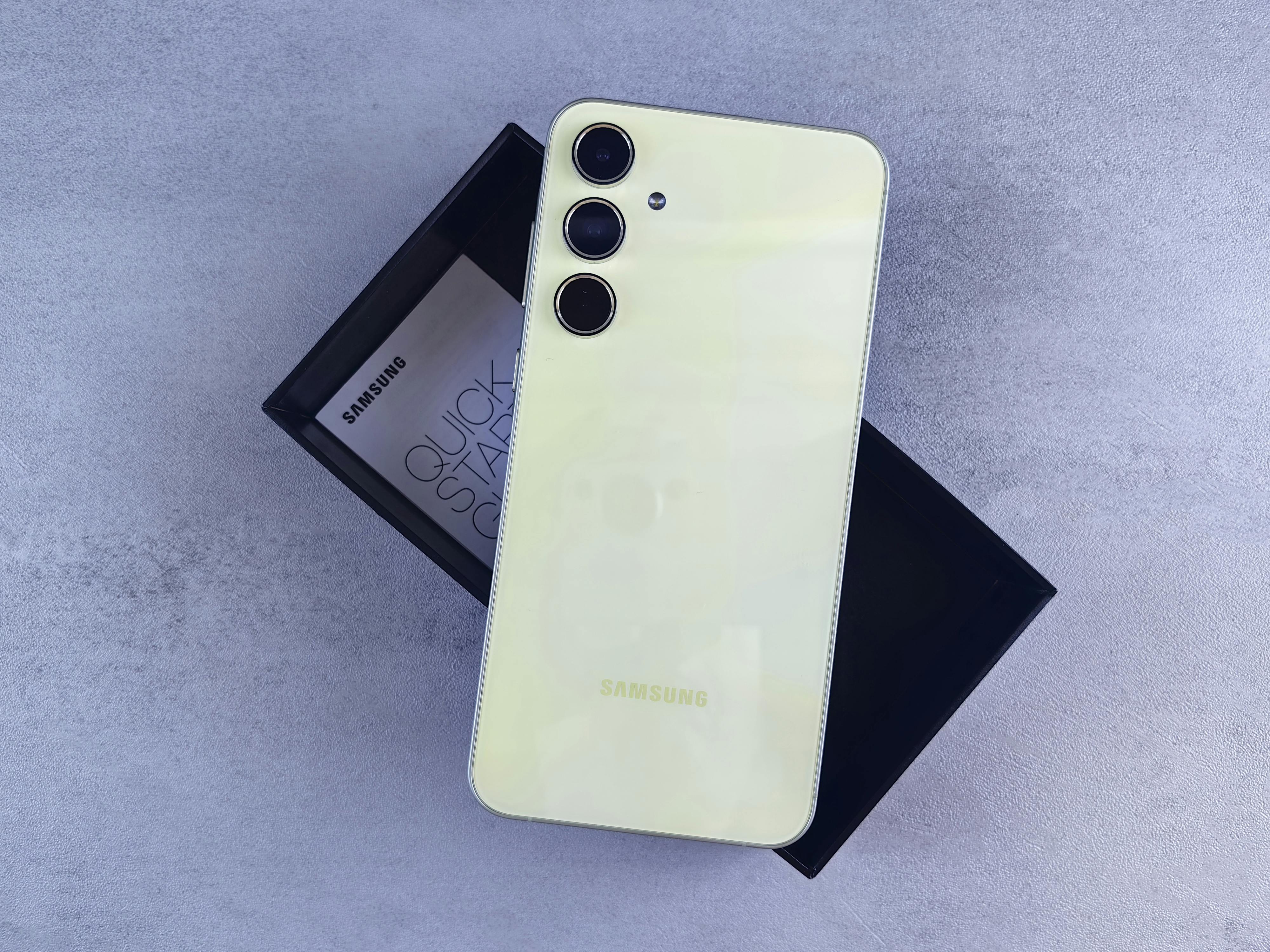
Comparison Table
Here’s a direct comparison between a typical flagship device and the main competitor in the market to help you weigh priorities side-by-side.
| Feature | Typical Flagship (e.g., high-end Android) | Typical Competitor (e.g., Current iPhone) |
|---|
| Processor | High-core, top benchmark scores, strong GPU | Top-tier SOC with tight OS integration |
| Display | 120Hz OLED, very bright, HDR support | 120Hz OLED/LCD with color tuning |
| Battery Life | Large cells, fast wired charging | Efficient hardware-software balance |
| Camera | Multiple lenses, 3x+ zoom, computational stitching | Fewer lenses, strong processing, consistent colors |
| Operating System | Flexible, varied update policies | Closed ecosystem, long update runway |
For deeper reviews and measured data, consult hands-on tests and sample galleries from trusted sources such as TechRadar, CNET, and Android Authority.
Common Mistakes to Avoid
Chasing megapixels first.
More pixels don’t equal better photos, because sensor size, lens quality, and processing matter much more, and many buyers end up disappointed by noisy images despite extravagant specs.
Stop buying numbers.
Ignoring long-term support.
Choosing a device because it’s cheap today can cost you in security updates and resale value, and poor update policies force premature replacement, which is wasteful.
Plan ahead.
Overvaluing peak benchmarks.
Synthetic scores are fun, but thermal throttling, real app performance, and OS-level optimizations decide daily speed, and measuring actual durations tells the truth.
Trust experience.
Forgetting accessories and repairs.
A phone’s longevity depends on repairability, case options, and battery replacement pathways, so research service costs and third-party repair friendliness before purchase.
Protect your investment.
Frequently Asked Questions
Q: Which single spec should I prioritize?
A: Focus on Battery Life and display efficiency over raw CPU benchmarks because those affect daily satisfaction most.
Q: Are flagships worth the money?
A: Sometimes — if you need top camera systems or the fastest performance — but midrange phones now cover 80% of typical needs at better value.
Q: How long should I keep a phone?
A: Aim for at least three years with good update support, because longer use reduces environmental impact and is fiscally prudent.

Final thought
Buy thoughtfully.
Choosing the right smartphone isn’t about the flashiest model or the loudest ad, it’s about matching Processor, Display, Battery Life, Camera, and Operating System to how you actually live, because technology is a gift and should be used responsibly to serve others.
Be practical.