India’s Emergent is moving into the AI agent space. That matters.
India’s Emergent is moving into the AI agent space. That matters.
The company started with vibe coding, the loose, prompt-heavy style of building software with AI, and now it wants a bigger role: agents that do work, not just generate code snippets. That shift sounds neat on a pitch deck, but the real test is whether the system can plan, execute, recover from mistakes, and stay useful when the novelty wears off.
Key Takeaways
- Emergent is expanding from vibe coding into AI agent territory.
- The real value is not flashy demos. It is reliable task execution.
- AI agents must handle planning, tool use, and error recovery.
- Competition is fierce, with OpenAI, Anthropic, and coding assistants all pushing hard.
- Good agent design should respect user control, privacy, and human dignity.
What is India’s Emergent entering the AI agent space?
It is a move from simple AI-assisted coding toward software that can take actions across tools and workflows. In plain English, an AI agent is supposed to do more than answer questions or spit out code. It should break down a task, decide the next step, call the right tool, and keep going until the job is done, or at least until it admits it is stuck.
That sounds elegant. It also breaks fast.
Most people hear “agent” and picture a tireless digital helper. I do not. I picture a system that is often useful, occasionally clever, and sometimes wrong in ways that cost time. I’ve reviewed enough software to know that automation gets praised right up until it touches a messy real-world workflow. Then the wheels wobble.
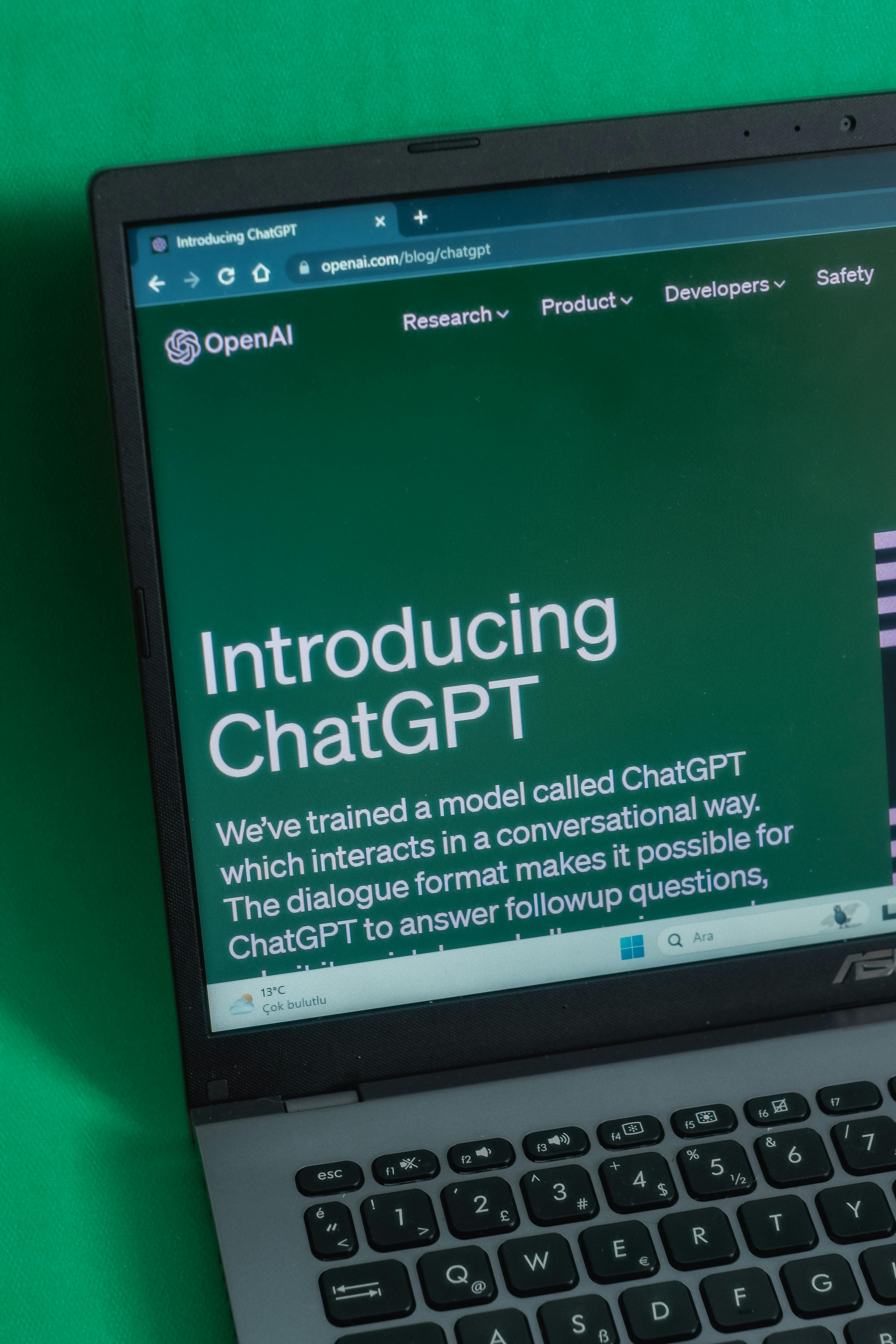
Emergent’s timing is not random. The market is crowded with coding copilots, autonomous browser tools, and agent frameworks. OpenAI has been pushing more capable tool-using models. Anthropic has made a lot of noise around structured tool use and agentic workflows in its news updates. Google has its own agent and Gemini stack. Startups are trying to carve out specific wedges, often by focusing on productized workflows instead of raw model access.
That is where Emergent has to prove itself. Not in a demo. In the grind.
If you want the wider market context, it helps to read how coding tools and software teams are evolving in pieces like our own coverage of AI coding assistants, agentic workflows, and India tech startups. The pattern is familiar. Everyone wants autonomy. Very few want to babysit the thing when it misfires.
Core Benefits and Importance
Why does this move matter? Because AI coding tools are getting commoditized. Fast.
If Emergent stays only in vibe coding, it risks becoming another wrapper around a model API. Useful, sure. Memorable? Not for long. The move toward agents gives it a better shot at building something stickier, something tied to outcomes rather than novelty. That is the important distinction.
Here is what actually matters:
- Task completion beats text generation. Users care less about pretty code and more about whether software gets built, debugged, and shipped.
- Workflow integration is the real moat. Agents that connect to GitHub, databases, browsers, issue trackers, and deployment tools can matter more than raw model IQ.
- Speed helps, but reliability wins. A fast wrong answer is still wrong.
- Local market fit can matter. Indian startups sometimes understand developer constraints, pricing pressure, and adoption friction better than larger global players.
- Support for non-expert builders matters. If the tool helps small teams and solo founders, it has a cleaner path to adoption.
The contrarian view is simple. Most agent hype is bloated. There, I said it. Vendors love to show a polished demo where the agent calmly finishes a multi-step task. Then you try the same thing with edge cases, auth errors, stale data, and a slightly weird browser state. The magic evaporates.
Still, there is real value here. When I test these systems, I look for boring wins. Can it fill a form without breaking? Can it summarize a repo and suggest a sensible change? Can it retry after a failure without spiraling? Those are not sexy questions, but they are the ones that matter to actual users.
This also ties into a deeper idea that does not get enough attention. Technology should serve people, not the other way around. That sounds almost quaint in a market obsessed with automation for its own sake, but the principle is solid. Good software respects human judgment. It reduces drudgery. It does not pretend humans are obsolete.
That is the moral center of the argument, whether founders want to hear it or not. Tools should be ordered toward the common good, not just speed for speed’s sake.
Step-by-Step Implementation and What Actually Works
If Emergent wants to compete in this space, it needs more than a catchy category label. It needs disciplined product design.
Here is the sequence that actually works.
- Pick one painful workflow. Start narrow. Do not build a vague “general agent.” That is how you end up with a demo that impresses nobody after week two. Focus on one repeated task, like code review cleanup, app scaffolding, bug triage, or workflow automation.
- Add tool use before autonomy. Let the system call APIs, browse docs, fetch repository context, and write structured outputs. Full autonomy comes later. Most systems fail because they are handed too much freedom too early.
- Build guardrails. This part is boring, which is why people skip it. Bad move. A decent agent needs permissions, confirmation steps, rollback paths, and logs. If it can change code or trigger actions, users must know exactly what happened.
- Design for recovery. I’ve seen too many products that work only when everything goes right. Real work is dirty. The agent should handle timeouts, stale tokens, API failures, and partial success. If it cannot recover, it is not an agent. It is a screenshot with ambition.
- Keep humans in the loop. This is where most startups get sloppy. Users should be able to inspect, edit, and stop the action chain. A system that respects human oversight is more trustworthy and, frankly, more useful.
- Measure useful outcomes. Do not brag about token counts or benchmark vanity. Measure task completion rate, time saved, error rate, and how often users step in to fix nonsense. Those numbers tell the truth.
- Price for real adoption. Agent products often fail because they are too expensive for routine use. If the cost model punishes experimentation, adoption stalls.

The best public benchmark-style analysis still comes from credible model and platform documentation, not glossy launch posts. For background, see OpenAI’s GPT-4o announcement, Anthropic’s Claude 3.5 Sonnet release, and Google’s broader agent direction through Google AI blog. These sources show where the field is heading: toward multimodal input, tool use, and systems that can coordinate action rather than merely emit text.
Emergent will need to match that standard in a practical way. Not by claiming it built intelligence from scratch. By making a workflow that real users will trust on an ordinary Tuesday.
Comparison Table
| Feature | Emergent’s AI agent approach | Major competitor: OpenAI/ChatGPT-style assistant |
|---|
| Core focus | Vibe coding moving toward task execution | General-purpose assistant with tool use |
| Strength | Potentially tighter product focus and local-market fit | Strong model quality and broad ecosystem |
| Weakness | Smaller brand, less proven reliability | Can feel broad and less specialized |
| Best for | Startups, developers, workflow automation | General users, teams, mixed use cases |
| Risk | Overpromising autonomy | Generic output without workflow depth |
| Differentiator | Productized agent workflows | Model capability and platform reach |
The table is blunt because it should be. In this category, model quality is not enough. Product fit matters. Reliability matters more. And the vendor who admits limits tends to earn more trust than the one tossing around grand claims.
Common Mistakes to Avoid
The AI agent market has a long list of bad habits. Most of them are easy to spot if you are not hypnotized by the demo reel.
- Mistaking chatter for capability. A system that talks smoothly is not necessarily a system that works.
- Ignoring failure modes. If the agent cannot explain or recover from a bad step, users will abandon it.
- Over-automating too soon. People need control. They do not want a black box making side effects.
- Chasing broad use cases first. Generality sounds impressive. It is also where many startups go to die.
- Underpricing trust. If the tool can edit code, access data, or trigger actions, safety is not optional.
Here’s the kicker: users forgive imperfection if the system is honest about it. They do not forgive surprise damage.
A lot of advice in this field is lazy. “Just add more memory.” “Just let the agent think longer.” “Just connect more tools.” That is the kind of fluff that fills conference slides and empties product budgets. Real utility comes from narrow goals, clear permissions, and visible state.
There is also a human issue here that tech firms keep brushing aside. Tools that shape work should not treat the worker as an afterthought. Human dignity is not a side note. If an agent reduces people to passive approvers for machine guesses, it is failing the user, even if the metrics look shiny.
That does not mean avoiding automation. It means using it well. Small difference. Big consequences.
Frequently Asked Questions
What is a vibe-coding startup?
It is a company that helps people build software through prompts, AI assistance, and quick iterative generation rather than traditional hand-coded development.
How is an AI agent different from a coding assistant?
A coding assistant helps generate or edit code. An AI agent tries to plan and execute multi-step tasks using tools, context, and decision-making loops.
Why is Emergent’s move important?
Because the market is moving from simple code generation to execution-focused products. If Emergent gets this right, it can stand out from generic AI wrappers.
Are AI agents reliable enough for production use?
Sometimes, but not blindly. They work best with guardrails, human review, and narrow task definitions. Fully autonomous systems still make too many costly mistakes.
Final Thought
Emergent’s move into AI agents is sensible, but sensible is not the same as safe or successful. The market is packed, the hype is thick, and the real work is tedious. That is exactly why this story matters. The companies that last will build tools that help people do honest work better, with fewer errors and less nonsense. That is a decent standard, and more startups should have the nerve to meet it.
They probably won’t all do it. But they should.