Pegasus is ugly spyware. It can infect a phone with little or no user action, then pull messages, calls, photos, microphone data, and location info, which...
Pegasus is ugly spyware. It can infect a phone with little or no user action, then pull messages, calls, photos, microphone data, and location info, which makes it a serious threat to journalists, investigators, politicians, and anyone who assumes a smartphone is private by default.
Key Takeaways- Pegasus is advanced spyware built for stealth, not convenience.
- Phone security is only as good as patching, device hygiene, and vendor support.
- Zero-click attacks are rare, but they happen.
- Governments and vendors both need tighter oversight.
- Human dignity matters more than surveillance tricks; technology should serve the common good, not crush it.
What is Pegasus spyware?
Pegasus is commercial spyware developed by NSO Group, and it is designed to break into modern smartphones and quietly extract sensitive data. It has been tied to abuse against civil society figures, reporters, lawyers, activists, and public officials. The ugly part is simple: once the device is compromised, the attacker often gets the equivalent of a silent front-row seat to the victim’s life.
Most tech coverage throws around scare words and leaves it there. That is lazy. Pegasus matters because it targets the weakest point in the chain: the endpoint in your pocket. If the phone goes, the emails, the chats, the camera roll, the contact list, and sometimes even the microphone feed can go with it.
The recent case involving a politician who previously investigated spyware abuse is grim, but not surprising. That is the point. When I read these reports, I do not see a neat cyber puzzle. I see a system where highly capable tools are sold with grand claims, then used in ways that stain everyone involved. Human ingenuity is real, but so is the obligation to use it responsibly. Otherwise it becomes just another instrument for the strong to pry into the weak.
For technical background, Citizen Lab’s analysis of Pegasus remains one of the clearest public references, and Amnesty International’s forensic methodology explains how investigators identify infections. If you want the vendor’s side, NSO Group’s own site is worth reading with a large grain of salt.
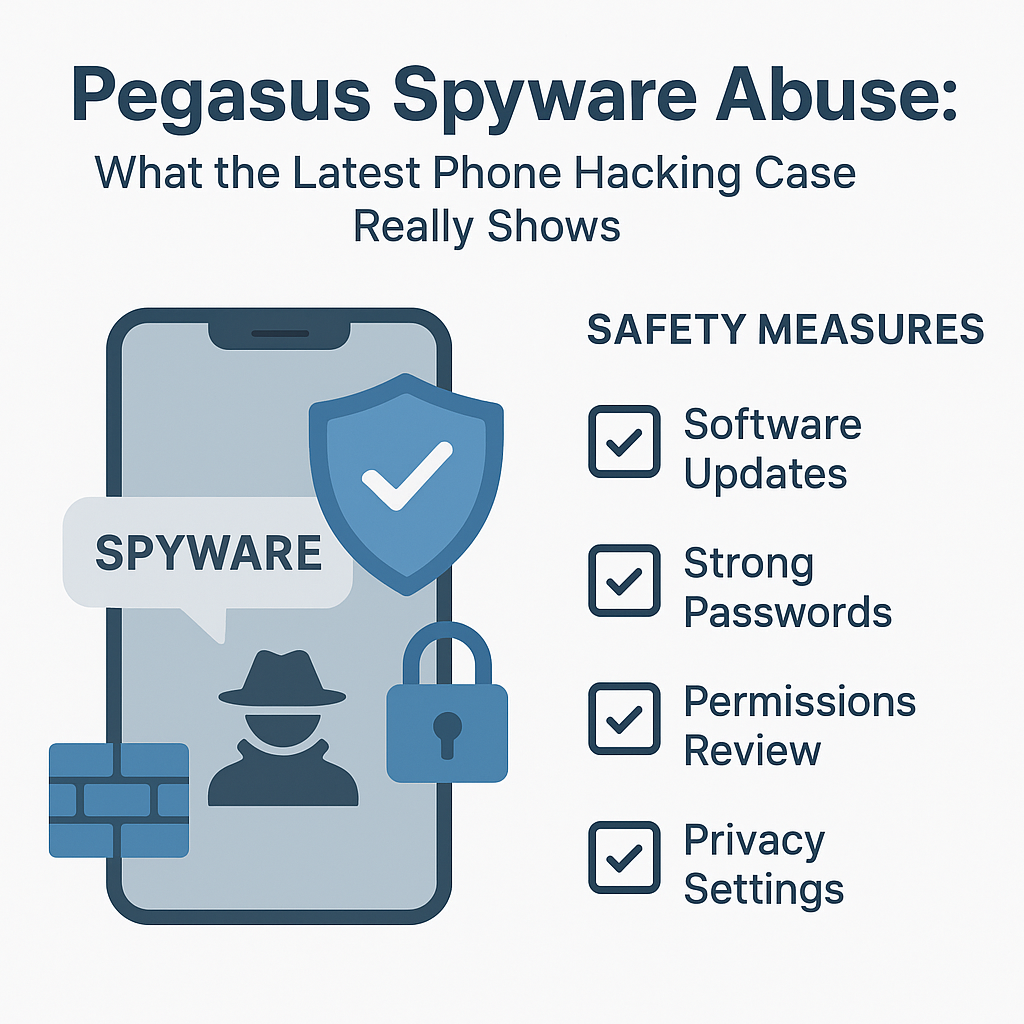
Core benefits and why it matters
Spyware like Pegasus is bad for the public, but there are a few reasons people keep talking about it instead of burying it in a filing cabinet.
- It exposes real abuse. These cases are not abstract. They show how surveillance tools can move from “targeted investigation” to political intimidation.
- It forces better security. Apple, Google, and mobile security teams improve defenses when serious exploits get public scrutiny.
- It raises the cost of complacency. Frankly, if a device can be hacked this way, the old “just use a strong password” advice is not enough.
- It matters for democracy. When investigators or elected officials are hacked, the issue is not only privacy. It is accountability, elections, press freedom, and due process.
- It pushes smarter policy. Export controls, oversight rules, audit trails, and legal remedies all get more attention when a tool becomes impossible to ignore.
Here’s the kicker: not every “spyware scare” is equal. A scam app, a sketchy text message, and a zero-click exploit are not the same threat. Pegasus sits near the top of the pile because it can operate with fewer clues and less user error. That is why the headlines keep coming back to it.
Most people will never face this exact threat, but that does not make the topic irrelevant. It tells us what happens when powerful tools are built without sturdy moral guardrails. Technology is supposed to assist human flourishing, not reduce people to data sources for whoever can afford the best intrusion kit.
If you want broader context on device defense, see Apple Privacy and Google’s Android security updates. They are not perfect, but they show how much the platform makers matter.
Step-by-step: what actually helps protect a phone
- Keep the OS updated. I know, boring advice. It is still the best cheap defense because many spyware chains rely on known flaws after patches exist.
- Use strong account protections. Turn on two-factor authentication, use a hardware key where possible, and review recovery options. Weak account recovery is where thieves stroll in.
- Reduce attack surface. Delete apps you do not need, revoke unnecessary permissions, and avoid loading your phone with junk just because it was free.
- Restart regularly. Some advanced exploits are more fragile than they look. A reboot can interrupt certain persistence tricks, though it is not a cure.
- Separate risky activity. For sensitive reporting or legal work, consider a dedicated device and a strict communication plan. One phone for everything is convenient and sloppy.
- Watch for forensic signals. Sudden battery drain, odd data use, and unexplained crashes are not proof of infection, but they deserve attention.
- Get expert help quickly. If you think you are targeted, contact a reputable incident response group or digital security lab. Do not poke around blindly and make things worse.
I have reviewed enough devices to know this truth: most security failures are ordinary habits, not exotic code. People leave Bluetooth on forever, install random profiles, skip updates, and then act shocked when something goes wrong. Routine discipline beats wishful thinking.
For more practical phone security advice, EFF’s Surveillance Self-Defense is still one of the better public guides, and Apple Platform Security is useful if you want the vendor’s technical framing.
Pegasus vs. common mobile threats
| Threat type | Typical method | Stealth | User action needed | Risk level |
|---|
| Pegasus spyware | Zero-click or exploit chain | Very high | Low or none | Extreme |
| SMS phishing | Fake links or replies | Medium | Yes | High |
| Malicious app | Installed from store or sideloaded | Medium | Yes | High |
| Public Wi-Fi snooping | Network interception | Low to medium | Sometimes | Moderate |
| Basic account theft | Password reuse or credential leak | Low | Yes | Moderate |
The comparison is simple. Pegasus is in a different class from everyday scams. It is not because regular threats are harmless. They are not. It is because Pegasus aims for the device itself, and once it lands, the phone stops being yours in any meaningful sense.
Common mistakes to avoid
- “I am not important, so I am safe.” Wrong. Targeting is often based on role, network, or access, not celebrity.
- “A case is over if no malware is found.” Also wrong. Some investigations require deeper forensic review or wider context.
- “Security apps will catch everything.” Not likely. Detection has limits, especially against sophisticated exploits.
- “Only journalists get targeted.” No. Lawyers, election staff, activists, diplomats, and officials can all be in range.
- “This is just a software bug.” Not quite. The bug matters, but so do procurement, oversight, export rules, and political incentives.
Let’s be real: people love easy answers because they are comforting. But security is a discipline, not a slogan. You need patching, prudence, and a little humility about what devices can and cannot protect.
Frequently Asked Questions
How do you know if Pegasus infected a phone?
Usually through forensic analysis by specialists, not by eyeballing the screen. Strange behavior alone is not enough.
Can iPhone users get Pegasus?
Yes. iPhones have strong security, but no consumer phone is magic. High-end exploits can still succeed.
Does a factory reset remove Pegasus?
Not always, and it may destroy evidence. If you suspect a targeted infection, get expert help before wiping anything.
Why is Pegasus such a big deal?
Because it turns a phone into a listening device and data siphon, often without obvious warning. That is a civil-liberties problem, not just a tech problem.
The real issue is not just one hacked phone. It is the habit of treating powerful surveillance as a clean technical product when it is really a moral instrument with legal consequences. If society wants better tools, it also needs better restraint, because clever code without conscience is how you get a very expensive mess.