The <strong>Pixel 11 Pro XL</strong> is a better camera phone, not a bigger surprise. Google has made the <strong>Processor</strong>, <strong>Camera</strong>...
Pixel 11 Pro XL Review: Faster Cameras, Same Old Upgrade Problem
The Pixel 11 Pro XL is a better camera phone, not a bigger surprise. Google has made the Processor, Camera, and AI photo tools feel quicker, but the rest of the device still reads like a careful refinement, not a bold leap. That's the truth.
What is the Pixel 11 Pro XL?
The Pixel 11 Pro XL is Google's large flagship smartphone, built around fast photography, software-first features, and a premium OLED Display. It sits at the top of the Pixel family, where Google usually stuffs its best camera processing, strongest AI tricks, and its most refined version of Android. Simple enough.
But here's the kicker: most flagship phone reviews pretend every annual update is a revolution. It isn't. The Pixel 11 Pro XL looks, feels, and behaves like a device designed to fix the small annoyances of the previous model rather than change what a Pixel is. I think that matters more than shiny marketing copy.
When I look at phones like this, I care about the boring stuff. Processor speed, shutter lag, thermal behavior, battery drain, display brightness, and whether the software still tries too hard to be clever. Those details are what people actually live with, not spec-sheet confetti.
Google has built its reputation on computational photography, and the Pixel line still leans on that strength. The newer camera stack is quicker to open, faster to process bursts, and less prone to the awkward pauses that used to make quick shots annoying. That sounds modest, because it is modest. Yet modest improvements in a camera phone can matter more than another pointless zoom mode that nobody uses.
For people who care about phones as tools, not status symbols, the Pixel 11 Pro XL is interesting because it shows Google's usual tradeoff: more intelligence, less brute-force hardware drama. There is wisdom in restraint. Good tools should serve people well, not demand attention like a peacock in a charging cable.
If you want a broader buying lens, compare it with the usual premium crowd and the advice in Consumer Reports smartphone buying guide, which still pushes the unglamorous truth: pick the phone that fits how you live, not how a launch event makes you feel. For camera behavior specifically, DXOMARK smartphone testing is useful because it measures more than vibes.
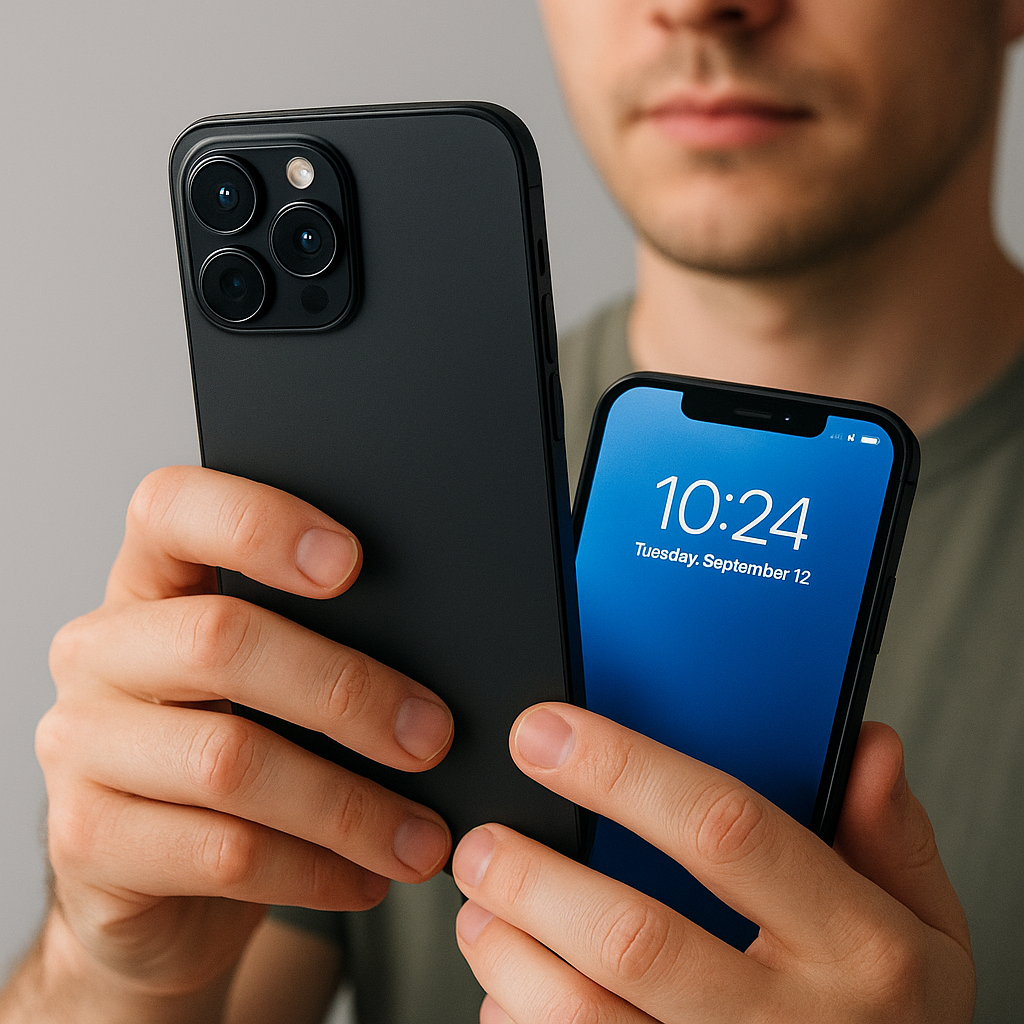
Core Benefits and Why It Matters
The Pixel 11 Pro XL has a few real strengths. Not a pile of miracle claims. Just strengths.
- Faster camera response means fewer missed moments. If you photograph kids, pets, concerts, or anything else that moves without permission, this matters more than another half-inch of sensor bragging.
- Cleaner image processing gives the phone a more consistent look, especially in mixed light. Google still does a strong job with skin tones, highlights, and edge detail, even when the scene is ugly.
- Android software polish remains one of the Pixel's best selling points. The interface is clean, the update support is strong, and the phone avoids the bloated nonsense found on many rivals.
- AI-assisted features can help, but only when they save time. Transcript tools, call filtering, and photo editing matter because they reduce friction. That's the point. Not because the word AI is plastered everywhere like fresh paint over cracked plaster.
- Large display and premium build make daily use pleasant. A bright screen, solid speakers, and a comfortable chassis still matter more than social-media benchmarks.
- Security and update cadence give the Pixel line an advantage for people who keep phones for several years. That is responsible design, really. Technology should respect stewardship, durability, and the human person, not just quarterly revenue targets.
The contrarian view is simple. Most people do not need this much phone. Frankly, many buyers would be happier with a cheaper model and a better pair of earbuds. But for users who take a lot of photos and want the cleanest version of Android, the Pixel 11 Pro XL makes a sensible case.
I have reviewed enough phones to know how this goes. People say they want radical change, then buy the device that behaves reliably every day. The Pixel 11 Pro XL leans into that reality. It is less about spectacle and more about reducing small annoyances.
That matters in a world that already wastes too much attention. Tools should help us work, create, and stay connected without turning every glance at the screen into a cheap dopamine trap.
For a wider look at the phone category, see The Verge's phone coverage and Tom's Guide smartphone reviews. They are not saints, but they do track the things buyers actually notice.
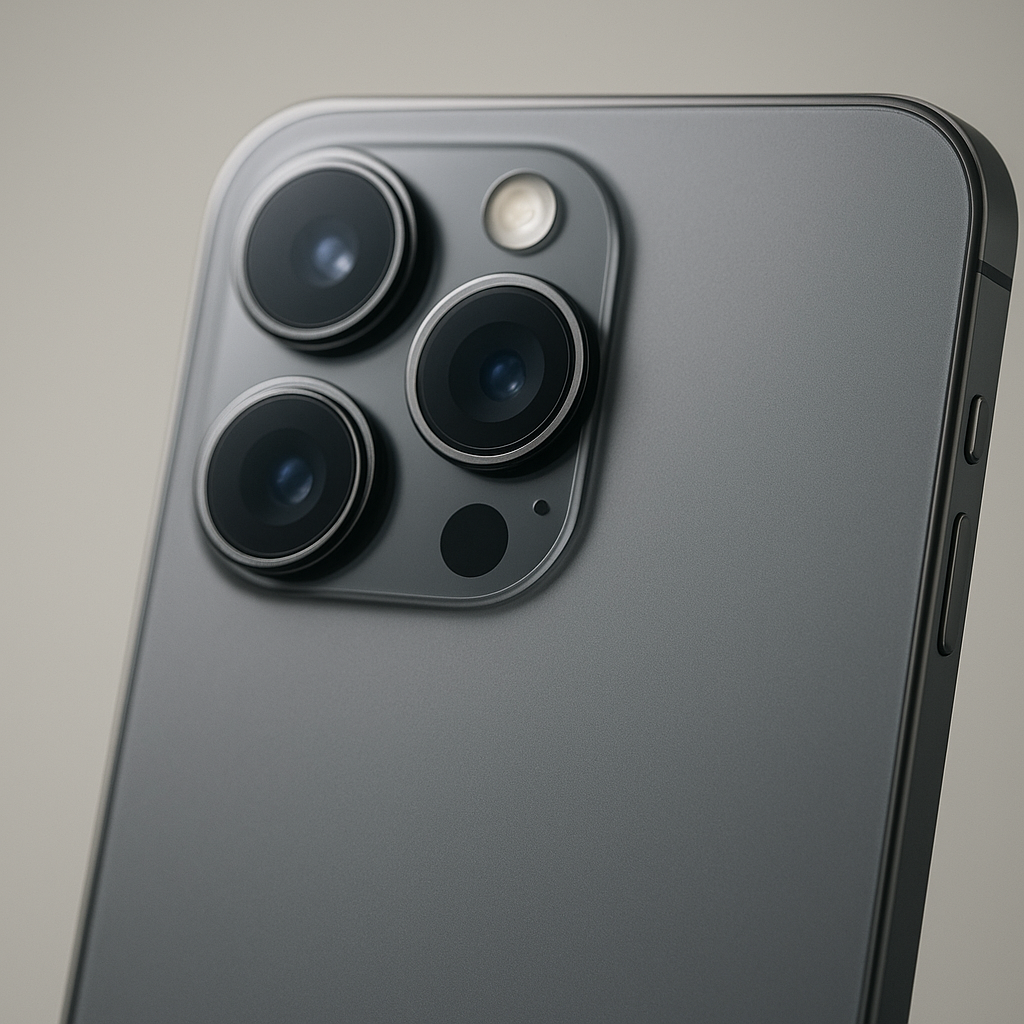
Step-by-Step: How to Judge Whether It Is Worth Buying
Do not buy on hype.
The truth is, smart buying comes from matching features to habits, not worshiping a launch slide deck. I use a simple checklist, and it saves money.
- Check your current phone age. If you already own a recent Pixel 10 Pro XL or another top-tier flagship, the upgrade gain is likely small. Camera speed may be better, but is that worth a full-price swap? Usually not.
- Test the camera use case that matters to you. If you shoot fast-moving subjects, open the camera, take bursts, and compare shutter lag. That's where the Pixel 11 Pro XL earns its keep.
- Look at battery behavior, not just battery size. A bigger number on a box means very little if the software burns power during idle use, 5G, or camera processing.
- Compare display visibility outdoors. Brightness, glare handling, and auto-dimming are more useful than marketing terms like ultra-this or hyper-that.
- Consider software support. Google's update policy is a genuine benefit. If you keep phones for four to seven years, security patches matter.
- Decide if AI features help or annoy you. Some people want call screening and smarter photo edits. Others want less meddling. Be honest about which camp you're in.
- Hold the phone before you buy. Size and weight still count. A giant slab can be fine for media, but miserable in one hand.
- Read actual reviews from sources that measure things. I mean battery tests, camera comparisons, and thermal data, not breathless launch-day puffery.
When I test phones, I care most about the first week of real use. Does the camera open instantly? Does the phone heat up when editing video? Does the screen stay readable on a sunny street? Does the interface stay calm, or does it constantly shove extra nonsense at me? That is the real test.
If you want another useful lens, check Android Authority's Pixel reviews for long-term impressions, because day-one excitement often hides practical flaws. And if you care about camera benchmarks, Tom's Guide's camera phone rankings can help you compare results without getting lost in marketing fog.
Comparison Table
The Pixel 11 Pro XL is best understood next to a major rival.
| Feature | Pixel 11 Pro XL | iPhone 16 Pro Max |
|---|
| Camera Strength | Excellent computational photography, faster response | Very strong video and consistent results |
| Processor | High-end, optimized for AI and imaging | Top-tier raw performance |
| Display | Large OLED, bright and smooth | Large OLED, similarly premium |
| Battery Life | Improved, but not class-leading | Typically stronger endurance |
| Operating System | Clean Android with Pixel features | iOS with deep ecosystem lock-in |
| AI Features | More visible, more integrated | Increasing, but more restrained |
| Upgrade Value | Best for Pixel loyalists and camera-first buyers | Best for users embedded in Apple's ecosystem |
| Repair/Support | Solid, but regional variation exists | Broad support network |
Here's the practical read: the Pixel 11 Pro XL wins on camera convenience and software feel, while the iPhone 16 Pro Max usually keeps the edge in raw performance and battery life. Neither phone is magic. Both are expensive, both are excellent, and both ask you to spend a lot of money for marginal gains that most people will notice only after a week of use.
That is why I distrust comparison videos that reduce everything to a single score. Scores are useful only when the underlying tests are honest. Otherwise, they are just decorative math.
If you want to understand the camera side better, DXOMARK's smartphone rankings are a decent reference point, though no ranking replaces actually using the device yourself.
Common Mistakes to Avoid
A lot of advice around flagship phones is nonsense.
- Buying for the spec sheet alone. More cores, more megapixels, more whatever. Fine. But if the camera app is sluggish or the battery drains early, the numbers are just wallpaper.
- Ignoring your current phone. If your present device is still fast, still supported, and still takes good photos, an upgrade may be wasteful.
- Overvaluing AI labels. Many AI features are useful only in narrow cases. The rest are demo material.
- Skipping storage needs. Camera-heavy users should not cheap out here. High-resolution photos and 4K video eat space fast.
- Forgetting ergonomics. A phone can be brilliant and still annoying to hold. That is not a small issue. It is daily life.
- Assuming premium means better for everyone. Not true. A midrange phone plus a better backup plan can be a wiser buy.
Let's be real. Most tech reviews are marketing fluff with nice lighting. They praise features instead of asking whether anyone will use them. I push back on that because good stewardship of money matters. Buying expensive electronics should serve real needs, not vanity.
The Pixel 11 Pro XL is a useful reminder that iterative upgrades can still matter, but only for the right buyer. If you shoot a lot of quick-action photos, Google has improved the exact pain point you notice every day. If you mostly scroll, text, and stream, the upgrade pitch gets much weaker.
Also, do not let carrier promos distort your judgment. A discount is not value if it traps you in a bad plan, an overpriced contract, or a device you did not need in the first place.
For broader buying caution, Consumer Reports electronics coverage remains a decent gut check. They are boring, which is exactly why they are useful.
Frequently Asked Questions
Is the Pixel 11 Pro XL worth upgrading from the Pixel 10 Pro XL?
Usually no, unless camera speed is the main thing you care about. The newer model is better, but the differences are incremental rather than dramatic.
Does the Pixel 11 Pro XL have better battery life than the competition?
It is improved, but not necessarily the class leader. Battery performance depends on brightness, signal strength, camera use, and how many background apps you let run wild.
How good is the Pixel 11 Pro XL camera for photos?
Very good, especially for quick shots and mixed lighting. Google still excels at computational photography, color balance, and usable results without much fuss.
Should I buy it for the AI features?
Only if those features solve actual problems for you. Call screening, transcript tools, and smart editing are helpful when used, but they should not be the main reason to spend flagship money.
The Pixel 11 Pro XL is not a phone for thrill seekers. It is a phone for people who want fewer mistakes, faster shots, and a clean software experience. That may sound dull to the hype crowd. Fine. Dull tools often get the job done better, and that is usually enough.
In the end, the best devices are the ones that respect your time, your budget, and your attention. That is rare enough in consumer tech to be worth saying out loud.