Right to repair is about who gets to fix your devices, how easily they can be repaired, and whether parts, tools, manuals, and software locks are available...
Right to Repair: Why It Matters for Gadgets, Costs, and the Tech You Buy
Right to repair is about who gets to fix your devices, how easily they can be repaired, and whether parts, tools, manuals, and software locks are available after purchase. It sounds boring until your phone dies, your laptop battery swells, or your favorite headphones break over a $3 connector.
- Right to repair affects cost, device lifespan, resale value, and waste.
- Most devices are repairable in theory, but parts access and software restrictions often decide the real outcome.
- Buyers should compare repairability, battery replacement, and service pricing before they buy.
- Manufacturers often market thinness and water resistance; those features can make repairs harder.
- The smartest purchase is not always the prettiest one. Shocking, I know.
What is right to repair?
Right to repair is the practical idea that owners should be able to maintain, diagnose, and fix the products they buy without absurd roadblocks. That means access to spare parts, repair manuals, basic diagnostic software, and fair pricing for service. It applies to phones, laptops, tablets, game consoles, headphones, smart home gear, and even appliances with screens glued to everything.
I’ve reviewed enough gear to know the glossy pitch is usually incomplete. A device can look premium and still be a nightmare once a battery wears out or a port fails. The legal fight around repair is not about making every customer a field technician; it is about whether ownership means stewardship or mere rental with a charge cable. That distinction matters. In a world where human skill and material resources should serve the common good, throwing away a whole device because one part is blocked behind software drama is a waste of money and effort.
This is why repairability has become a real product category, not a hobbyist niche. On one side, companies argue that sealed designs improve safety, water resistance, and security. On the other, repair advocates point out that many of those claims are overstated, or at least selectively applied. The truth is messier. Some sealants and adhesives genuinely help durability. Some just make simple maintenance expensive. Frankly, that’s the part consumers should be annoyed about.
If you want a clean example, look at broader device buying behavior and service planning, like the advice in which smart home ecosystem should you choose. The ecosystem you buy into affects how you repair, replace, and extend a product’s life. Same story with accessories and power gear, which is why guides like these mighty laptop power banks can charge all your tech matter too. Good hardware choices reduce friction later.
The repair debate also spills into software. Some products are mechanically simple but digitally locked. A battery swap may be easy, yet the operating system refuses to recognize third-party parts or shuts off features until a manufacturer pairing step runs. That is not engineering necessity in every case. Sometimes it is business leverage in a lab coat.
Why does this matter now? Because product lifecycles are still too short. A good phone, tablet, or laptop should last years, not die because one component aged out. The sensible approach is to treat devices as tools, not disposable status symbols. That is common sense, and common sense has been in short supply.

Core Benefits and Importance
- Lower long-term cost
Repair beats replacement when the failure is localized. A dead battery or cracked display should not force a full device swap, yet that is still how too many consumers end up spending money. The upfront price of a repair-friendly product can look higher, but the total cost of ownership often drops.
- Longer device life
Swappable batteries, standard screws, and documented parts paths can keep gear useful for years. I’ve seen devices that remain perfectly capable once one worn component is replaced. The hardware was fine. The ownership model was the problem.
- Less electronic waste
Repair reduces landfill pressure and raw material demand. That is not abstract virtue signaling. It means fewer mined minerals, fewer shipped replacement units, and fewer broken gadgets tossed into a drawer until they become hazardous waste.
- Better resale value
A phone or laptop that can be serviced is easier to sell used. Buyers know they can replace a battery or screen without begging a manufacturer for mercy. That improves the secondhand market and keeps products circulating.
- More honest product design
Repair pressure forces manufacturers to think beyond launch day. If a company knows people will inspect screws, adhesives, and part availability, it has to make sturdier choices. Sometimes this improves build quality. Sometimes it just exposes marketing nonsense.
- User dignity and ownership
This is the part people skip. Ownership should mean more than having a serial number on file. It should mean you can care for your device, just as a well-kept tool deserves maintenance. There is something morally tidy about that. Things made by human hands should remain usable by human hands.
- Faster fixes for common failures
Screens crack, batteries age, ports loosen, speakers fail. Those are normal wear items. A repairable design makes routine failures less painful. That is especially important for schools, small businesses, and families who cannot afford a fresh gadget every time something goes wrong.
The kicker is that repairability is not only for hobbyists or environmental campaigners. It helps ordinary people who are tired of paying too much for simple problems. Most tech marketing tries to distract you with camera counts, AI buzzwords, or shiny glass backs. Fine. But if the product cannot be maintained, the spec sheet is just decorative paper.
If you want a more practical way to judge hardware before buying, compare the broader device ecosystem and service realities in Amazon finally adds a much-needed feature to the Colorsoft line and InkPoster’s Tela is a digital frame worth hanging in a gallery. Those reviews show a pattern: the best products are often the ones that solve a real problem without making ownership annoying.
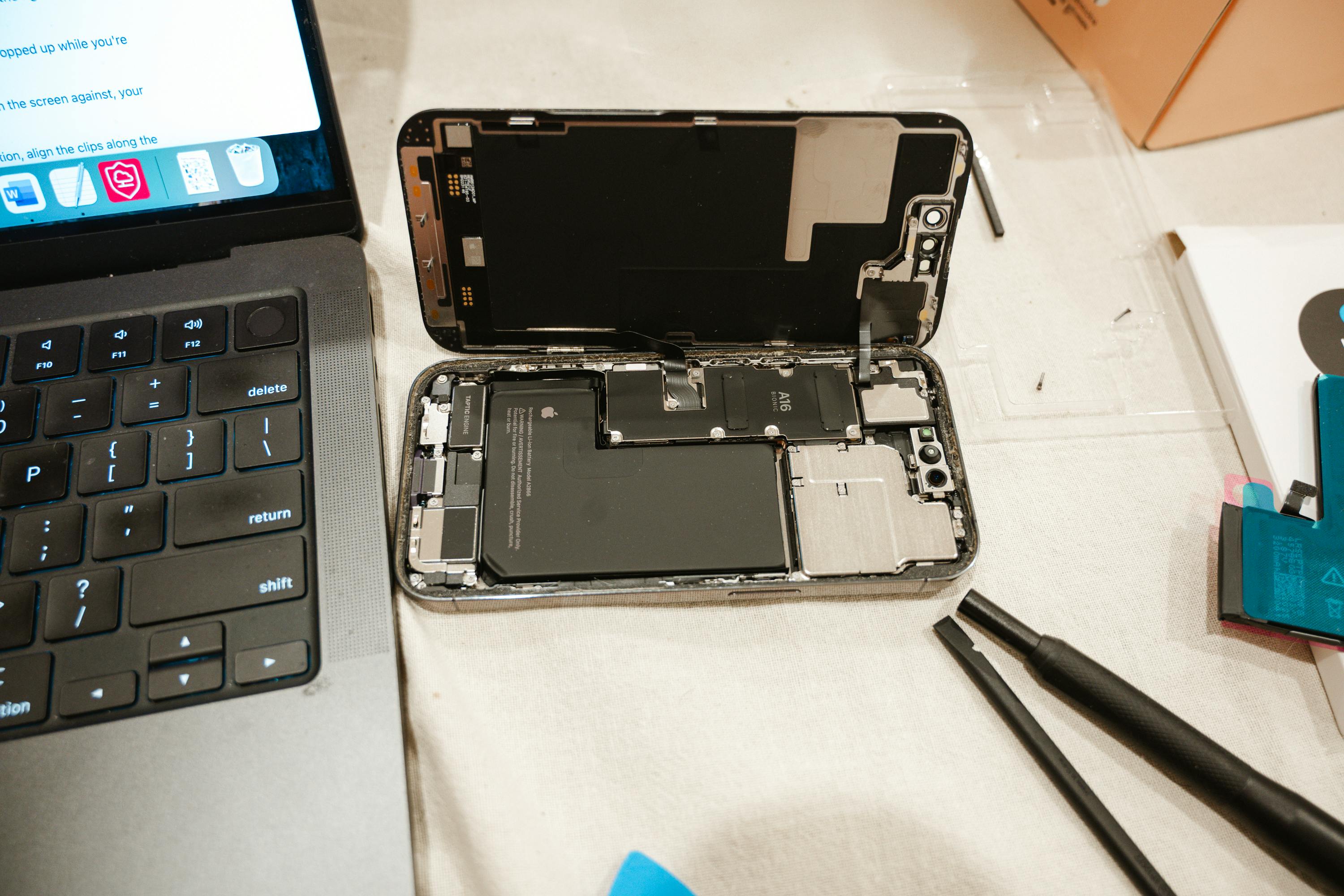
Step-by-Step Guide to Buying Repairable Tech
- Check the parts situation first
Before you fall for the design, search whether the manufacturer sells batteries, screens, keyboards, and ports. If the answer is vague, that is a warning sign. I always check parts availability before I get hypnotized by a spec sheet. It saves grief.
- Look for official manuals and repair docs
Good brands publish service information, disassembly guides, and parts catalogs. Those materials show whether the company expects repair or merely tolerates it. A device with clear documentation usually ages better than one with hidden clips and mystery adhesives.
- Study battery replacement difficulty
Batteries are the first wear item in most portable electronics. If replacing one requires heat guns, solvents, and a prayer, the product is not especially repair-friendly. Simple battery access is one of the most useful indicators of long-term value.
- Compare repair pricing with replacement pricing
Sometimes repair costs make sense. Sometimes they are nonsense. A screen replacement that costs 40 percent of a device’s price may still be worth it if the rest of the hardware is strong. A repair quote above 70 percent? Let’s be real, that is often a sales pitch for buying new.
- Check software locks and part pairing rules
Some devices can be physically repaired but still lose features unless a manufacturer approves the part. That is where the ownership model gets slippery. Look for reports from independent repair shops and trusted reviewers before buying.
- Prefer standard fasteners over glue
Screws are not sexy. Good. They are meant to hold things together. Excessive adhesive usually means service is going to be ugly, slow, or both. A product that can be opened without a battle is a product that respects the user.
- Think about the whole stack, not just one device
If your laptop depends on proprietary chargers, a hard-to-source SSD, and a keyboard that costs half the machine, the cheap sticker price is fake economy. Buy the system you can live with, not the one that looks good on a shelf.
- Use trusted reviews and buying guides
Read actual hardware reporting, not influencer blurbs. A decent review will mention screws, battery access, service parts, and real-world durability. That is why editorial coverage matters. It cuts through the fluff.
I’ve found that the most repairable products are rarely the flashiest. They are the ones built by teams that respect maintenance as part of design, not as a nuisance after the sale. That attitude lines up with a better view of technology overall: tools should support human work, family budgets, and responsible care for material goods.
If you want to go deeper on connected devices, the ecosystem guide which smart home ecosystem should you choose is a good companion read. Repairability is not isolated. It touches updates, accessories, and long-term compatibility.

Comparison Table
| Category | Repair-Friendly Device | Typical Big-Brand Competitor |
|---|
| Battery access | Often replaceable with standard tools | Frequently glued in place |
| Parts availability | Manuals and parts sold openly | Parts may be limited or restricted |
| Software support | Less likely to block third-party parts | More likely to use pairing checks |
| Service cost | Usually lower over time | Often higher, especially out of warranty |
| Lifecycle | Longer usable lifespan | More likely to be retired after one major fault |
| Resale value | Stronger due to repair prospects | Weaker if the device is hard to service |
| User control | Owner can maintain the product | Manufacturer controls repair path |
| Environmental impact | Less waste, fewer replacements | More replacement churn |
The comparison is not subtle. A repair-friendly device gives you options, and options are what ownership should look like. The competitor may win on marketing polish or thinner bezels, but that glow fades fast when the battery is cooked and the repair quote arrives.
Common Mistakes to Avoid
- Chasing only the lowest upfront price
Cheap devices can be expensive over time. If the battery is sealed, the display is fragile, and the parts are scarce, your bargain is fake. This is the oldest trap in consumer tech.
- Assuming all “premium” products are durable
Premium materials do not guarantee serviceability. Glass and metal can still hide awful internal design. Beautiful packaging is not a repair plan. Never confuse the two.
- Ignoring software restrictions
A device may appear easy to open, then refuse to function correctly after a part swap. That is not a minor detail. It can wipe out the whole value of a repairable shell.
- Believing every manufacturer claim
Companies love words like sustainable, responsible, and secure. Fine words. Sometimes true, often convenient. Check actual parts catalogs, service manuals, and independent teardown reports instead.
- Buying without checking local service options
Even a repairable product is less useful if no nearby shop can service it. Shipping a device away for simple work is a waste of time and money. Ask around before you buy.
- Treating repairability as the only metric
It matters, but it is not everything. Display quality, battery life, processor performance, camera quality, and operating system support still count. A repairable dud is still a dud. Simple as that.
- Underestimating hidden failure points
Ports, hinges, fans, speakers, and connectors fail too. I’ve seen people obsess over battery swaps and ignore the weak hinge that kills the machine later. Look at the whole device, not just one virtue.
This is where skepticism pays off. Most buying advice sounds tidy because it skips the ugly parts. Real ownership is messier. A wise buyer weighs repairability alongside the full machine, not in place of it. That is practical prudence, and prudence is rarely flashy.
Frequently Asked Questions
What does right to repair actually mean for consumers?
It means you should be able to fix or service products you own without being forced into overpriced replacement or locked-out service channels. That includes access to parts, tools, and documentation.
Is right to repair only about phones and laptops?
No. It affects tablets, watches, headphones, smart home devices, game consoles, and appliances. Anything with a battery, screen, or firmware can become a repair issue.
Are repairable products always better?
Not automatically. A repairable product still needs good performance, battery life, and reliable software support. Repairability is a major factor, not the only one.
How can I tell if a gadget is repair-friendly before buying?
Look for published manuals, parts sales, teardown reviews, battery access, and clear service policies. If the brand hides all of that, assume repair will be a hassle.
Final Thought
Right to repair is not a niche crusade. It is a basic check on whether modern tech serves owners or merely rents them convenience until the warranty expires. The honest answer, in too many cases, is ugly.
I’ve spent enough time with gadgets to know the pattern. A device that is easy to open, easy to service, and easy to keep alive is usually the one that respects your wallet and your time. That matters more than another thin bezel or another marketing slogan about AI features nobody asked for.
There is also a deeper point here. Human ingenuity is a gift, but gifts carry obligations. If we build tools, we should build them so people can use them well, maintain them responsibly, and avoid needless waste. That is not sentimentality. It is sane stewardship.
So yes, buy the device you like. But check whether you can live with it in three years, not just three minutes after unboxing. That is the real test. Everything else is window dressing.