TechCrunch is taking <strong>Startup Battlefield</strong> to Tokyo, and that matters more than the usual event-buzz chatter. This is not just another...
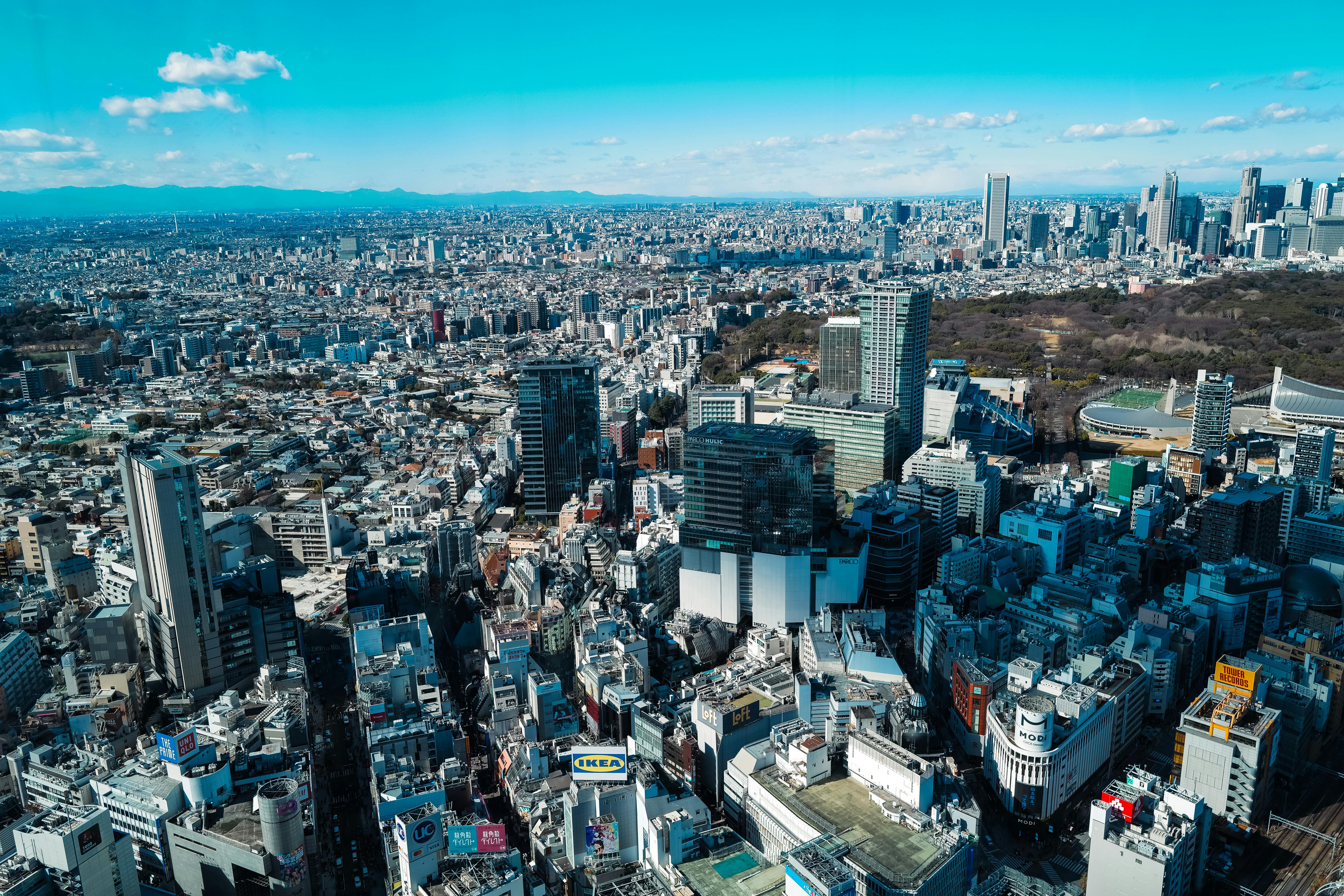
TechCrunch is taking Startup Battlefield to Tokyo, and that matters more than the usual event-buzz chatter. This is not just another conference stop. It is a signal that startup competition, capital, and media attention are shifting deeper into Asia, where founders build fast, investors look for signal, and the market conditions are far less forgiving than a glossy stage photo suggests.
Key Takeaways- TechCrunch Tokyo broadens the reach of Startup Battlefield into a major Asian startup hub.
- The move raises the stakes for founders seeking visibility, funding, and international credibility.
- Tokyo offers strong infrastructure, deep enterprise connections, and a serious robotics, AI, and hardware base.
- Startup competitions are useful, but they are not magic; product quality still decides who survives.
- Founders should use the event for validation, press, partnerships, and discipline, not vanity.
What is TechCrunch Startup Battlefield in Tokyo?
TechCrunch’s Startup Battlefield is a startup competition and live pitch event where early-stage companies present their products to judges, media, and investors. Bringing it to Tokyo means the format is being planted in one of the world’s most important technology capitals, where hardware, software, consumer electronics, and enterprise tools all have room to breathe. That is the core idea.
Frankly, most event coverage reads like brochure copy. I am not interested in brochure copy. I care about what the event actually does: it concentrates attention, compresses due diligence, and gives startups a real shot at being seen by people who can write checks or open doors. The Tokyo edition matters because Japan is not a side market. It is a large, demanding economy with a culture of precision, long-term trust, and practical adoption. Those traits fit some startups beautifully and expose others as flimsy.
When I analyze startup events, I look for three things: whether the audience has power, whether the judges understand the market, and whether the competition produces useful pressure. Startup Battlefield checks those boxes better than most staged pitch contests. The Tokyo location adds another layer, because founders will have to speak to local realities, not just global buzzwords. That means product localization, compliance, partnerships, supply-chain thinking, and customer trust all come into play.
If you want context on how major tech events shape product narratives, see also how startups use launch events to build momentum, what founders should know before pitching investors, and why hardware companies need real-world validation—all of which apply here, even if the shiny language around the event tries to hide it.
The broader question is simple. Why Tokyo, why now? Because Asia’s startup ecosystem is not waiting around for Western approval, and because a platform like TechCrunch can still help surface companies that might otherwise stay local. That is useful. Not perfect. Useful.
A good event should serve human creativity and honest work, not ego theater. That may sound old-fashioned, but stewardship matters. Technology should be ordered toward real service, not self-worship. A startup that improves labor, health, commerce, or communication contributes something real. The venue does not change that moral fact.
Core Benefits and Importance
The point of Startup Battlefield Tokyo is not merely spectacle. It is leverage. For founders, that leverage can show up in several practical ways.
- Global exposure: A Tokyo stage gives startups access to media and investors who may not monitor smaller local demo days. That matters because visibility is often the first filter in fundraising.
- Cross-border credibility: If a startup can pitch well in Tokyo, it can signal discipline, product maturity, and cultural adaptability. That is not nothing.
- Access to Asian markets: Japan sits near major innovation corridors, including South Korea, Singapore, and broader APAC channels. The region is not a monolith, but the networking value is real.
- Better founder feedback: The best competitions are ruthless in a useful way. Judges ask hard questions about market fit, revenue, distribution, security, and unit economics.
- Recruiting value: Candidates notice when a startup reaches a credible stage. Talent likes momentum, even if they pretend otherwise.
- Partner visibility: Large companies, suppliers, and channel partners often track these events to scout technology they can integrate or acquire.
Here’s the kicker: a startup competition is only as strong as the filter it applies. Too many events reward stage presence over substance. A polished deck, a confident smile, and a few buzzwords can fool casual observers. Not serious people. In my experience, the companies that do well in competitions usually have one thing in common: they can explain a painful problem in plain language and show evidence that customers care.
Tokyo adds some market-specific benefits too. Japan is strong in robotics, automotive technology, industrial software, semiconductors, and consumer electronics. That means a startup with real technical depth can stand out, especially if it addresses hard problems rather than app-store fluff. A smart logistics tool, a manufacturing sensor platform, a clean AI workflow, or a better development tool can find a serious audience there.
There is also a quiet moral upside to this kind of event. When capital and attention move toward founders who build useful tools, the market can reward work that serves people instead of exploiting them. That is a small but real good. Innovation is not just speed. It should also respect human dignity, which is something the tech industry forgets whenever it gets intoxicated by hype.
For further reading on ecosystem trends, see TechCrunch coverage of startups and funding, JETRO’s overview of business in Japan, and the World Economic Forum’s discussion of Japan’s startup ecosystem. Those sources help explain why Tokyo is a meaningful host city, not just a pretty backdrop.
Step-by-Step Guide for Founders
If you are a founder eyeing an event like Startup Battlefield Tokyo, do not treat it like a lottery ticket. Treat it like a test. A hard one.
- Decide whether the event fits your company
Not every startup should chase media coverage. I have seen founders waste months on pitch prep for products that were not ready. If you cannot clearly explain the problem, the customer, and the margin structure, stop. Build first. Pitch later.
- Make the product legible in 30 seconds
Judges and reporters do not have patience for fog. Your first sentence should say what you do, who it is for, and why it matters. “We use AI” is not a pitch. It is filler.
- Prove the pain point
Bring evidence. User interviews, churn data, conversion numbers, pilot results, retention curves. When I review startups, I look for proof that real people feel a real problem. If the pain is fake, the company is fake too.
- Prepare for market-specific scrutiny
Tokyo audiences may care about reliability, technical rigor, and trust more than hype. That means your demo should work, your numbers should be clean, and your answers should be precise. If you are localizing for Japan, do not slap on translated slides and call it strategy.
- Build a demo that survives stress
A pitch deck is not enough. The product must run live, and it must run cleanly. I have watched founders lose credibility in seconds because their demo crashed on stage. That is amateur hour.
- Show distribution, not just invention
A good product with no route to customers is a hobby. Explain how people find you, why they stay, and what channel scales. Investors ask this because they have to. You should ask it because you need to live.
- Use the event for relationships, not selfies
The real value often comes after the stage. Book meetings. Follow up fast. Keep notes. The event is a doorway, not the destination.
- Think like a steward, not a showman
This matters more than people admit. Build something useful. Build it honestly. Build it for people who will depend on it. That attitude will not guarantee funding, but it tends to produce sturdier companies.
If you want a deeper primer on pitching and product discipline, check how to prepare a startup pitch deck, common founder mistakes during demo day, and how to validate an early product before scaling. Those lessons travel well, whether the stage is in San Francisco or Tokyo.
The truth is, most startup advice is too soft. It tells founders to “tell a story” and “show passion.” Fine. But investors also want evidence, resilience, and economics. Passion without numbers is theater. Numbers without product-market fit are decoration. You need both.
For hardware startups in particular, Tokyo can be a brutal but valuable proving ground. Hardware has supply-chain delays, certification issues, and support burdens that software founders often ignore. If your device survives that scrutiny, you may have something real.
Comparison Table: Tokyo Startup Battlefield vs. a Typical U.S. Tech Pitch Event
| Factor | Startup Battlefield Tokyo | Typical U.S. Pitch Event |
|---|
| Audience | Global, APAC-focused, more cross-cultural | Often U.S.-centric, with local investor bias |
| Market emphasis | Enterprise, hardware, robotics, AI, manufacturing | SaaS, consumer apps, B2B software |
| Founder expectations | Precision, trust, evidence, localization | Storytelling, velocity, growth metrics |
| Media value | Strong international visibility | Strong domestic press reach |
| Investor mix | Regional and global, with Japan/APAC context | Mostly U.S.-based VC audience |
| Product scrutiny | High, especially for technical depth and reliability | High, but often more forgiving on localization |
| Best fit for | Companies with international potential and technical substance | Companies already tuned to U.S. venture norms |
| Main risk | Cultural mismatch, weak localization, shallow pitch | Oversaturation, hype-heavy competition |
The table makes the point plainly. Tokyo is not just another city on a tour schedule. It changes the rules a bit. Not everything, but enough to matter.

Common Mistakes to Avoid
Most startup event mistakes are boring. That is why people repeat them.
- Confusing attention with traction
Press coverage can feel like success. It is not success. If users are not signing up, paying, or staying, the article is just decoration.
- Overclaiming the technology
I have seen too many founders inflate their AI, overstate their automation, or pretend their beta is a finished product. Investors are not fools. They can smell exaggeration.
- Ignoring the Japanese market context
Tokyo is not a generic global stage. Language, business etiquette, customer expectations, and trust norms all matter. If you ignore that, you are being lazy.
- Pitching without a defensible business model
A startup that cannot explain revenue is a science fair project. Useful? Maybe. Investable? Usually not.
- Making the demo the whole company
A demo is a snapshot. A company needs operations, support, compliance, security, and a path to repeatable growth. People forget this because a demo is easier to glamorize than infrastructure.
- Treating investors as the only audience
That is a rookie error. Customers matter. Partners matter. Talent matters. The event should help all of them see why your product deserves attention.
- Forgetting aftercare
A pitch event is not finished when the lights go down. Follow-up is where the work happens. Send concise notes, clear asks, and honest next steps. Sloppiness here kills momentum.
Let’s be real. A lot of startup culture rewards style over substance. That is especially dangerous in high-profile events, because the crowd noise can make mediocrity sound like progress. I prefer companies that are a little boring and a lot solid. Boring is often what durable looks like.
This is also where ethical judgment comes in. A founder has obligations to employees, users, and investors. Misrepresenting product readiness or exploiting users for growth is not clever; it is a failure of character. Tech can do good when it is built with discipline and a respect for truth. That sounds old-school because it is old-school. The old rules still work.
For a wider view of startup execution, you may also want how to avoid premature scaling, how enterprise buyers evaluate new software, and what investors really want from early-stage founders. Those themes show up again and again, because reality is annoyingly consistent.
Frequently Asked Questions
What is Startup Battlefield?
It is TechCrunch’s startup pitch competition where early-stage companies compete for visibility, press attention, and investor interest. The format rewards clear communication, product strength, and market relevance.
Why does the Tokyo edition matter?
Because Tokyo connects startups to a major Asian market with strong technical depth, serious enterprise buyers, and international reach. It also pushes founders to think beyond U.S.-only assumptions.
Who should apply to Startup Battlefield Tokyo?
Early-stage startups with a clear product, measurable traction, and a credible path to growth. Hardware, AI, enterprise software, robotics, and consumer tech companies may fit especially well if they can show proof, not just promises.
What do judges usually look for?
They want a real problem, a practical solution, evidence of customer demand, and a business model that makes sense. Fancy slides help about as much as a polished tire helps a flat car.
Final Thought
TechCrunch bringing Startup Battlefield to Tokyo is not just a scheduling decision. It is a bet that good companies can emerge from a wider map than the usual startup circles, and that serious founders will meet serious scrutiny when the venue shifts east. That is healthy. The market needs more honest tests and fewer ceremonial applause lines.
I like this move because it rewards substance. Not in a sentimental way, but in a practical one. Founders who build real products, respect local context, and speak plainly about tradeoffs stand a better chance of earning trust. That is still the coin that buys long-term success, even if the industry keeps trying to inflate hype into strategy.
Tokyo will expose weak pitches fast. Good. It should. A startup ecosystem gets stronger when attention is paired with discipline, when innovation serves people instead of ego, and when technology is treated as a tool for real work. That is the standard worth keeping.