A good Bluetooth speaker does one job: it fills a room, patio, or campsite with sound that is clean, loud, and easy to carry. Most models promise more than...
A good Bluetooth speaker does one job: it fills a room, patio, or campsite with sound that is clean, loud, and easy to carry. Most models promise more than they deliver. The useful ones balance sound quality, battery life, durability, and portability without turning into overpriced plastic bricks.
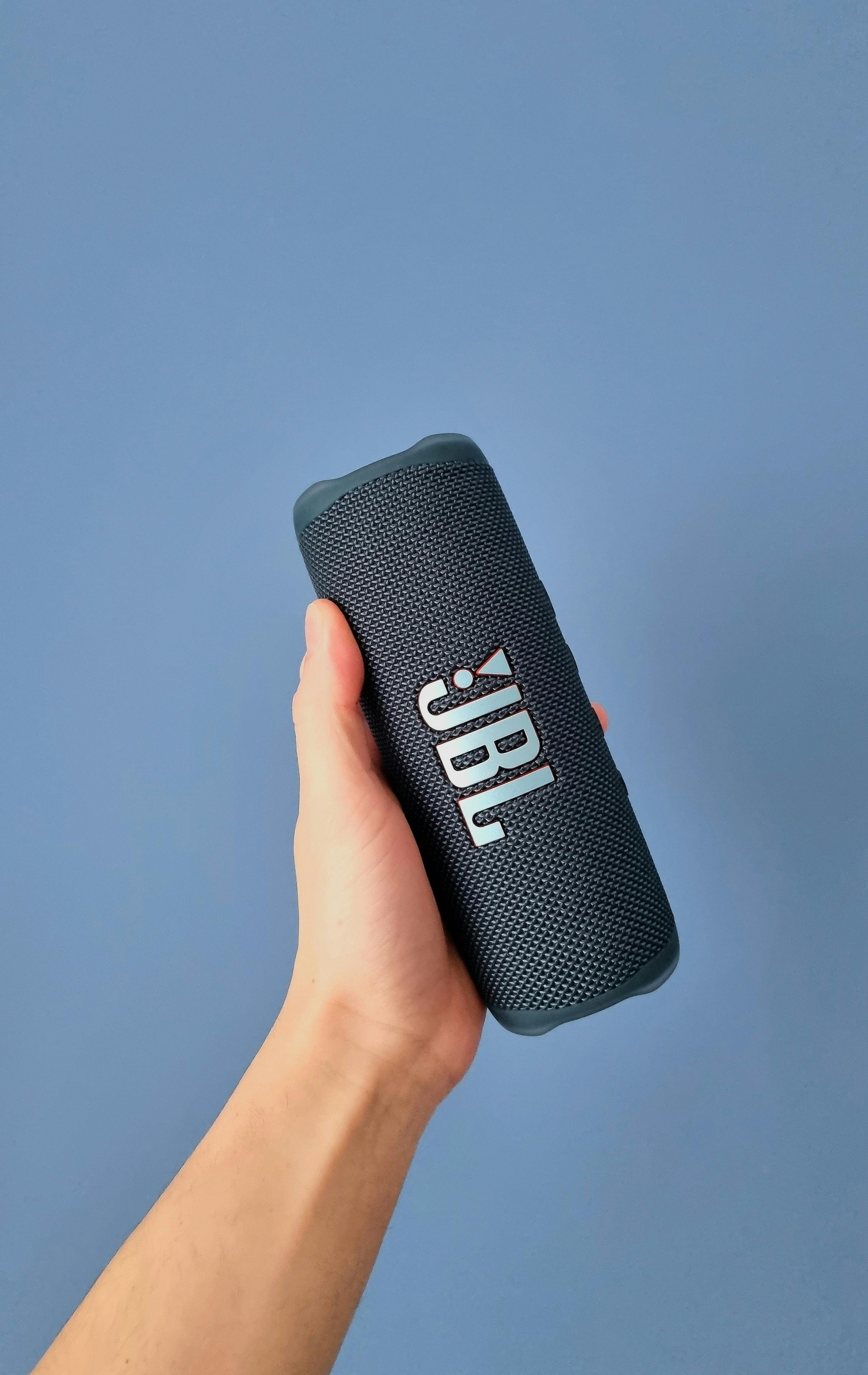
Key Takeaways
- Bluetooth speakers are about tradeoffs, not magic.
- Sound quality matters more than app gimmicks.
- Battery life and water resistance are not optional.
- Portability only counts if you actually carry it.
- The best choice depends on where you listen.
What is a Bluetooth speaker?
A Bluetooth speaker is a wireless audio device that connects to a phone, tablet, laptop, or smart TV using Bluetooth radio instead of a cable. Simple enough. The real question is how well it handles the basics: driver design, amplifier power, Bluetooth codec support, enclosure tuning, and the messier real-world stuff like wind, furniture, walls, and battery drain.
I’ve reviewed enough gadgets to know this: a speaker can look slick and still sound thin. Frankly, shiny grills and bold product names do not move air in any meaningful way. The useful stuff lives under the shell. Bigger drivers can help with bass. Better tuning keeps vocals from sounding like they’re trapped in a tin cup. Stronger battery cells keep playback going when you forget the charger, which, let’s be honest, happens all the time.
The category splits into a few broad types. Compact speakers are easy to toss in a bag. Mid-size models aim for better sound and longer life. Rugged outdoor speakers add IP ratings, rubber bumpers, and louder output for patios, tailgates, and poolside use. Then there are speaker bars and smart speakers, which can blur the line between home audio and portable gear.
Here’s the kicker: most buyers don’t need the “best” speaker by spec sheet standards. They need the one that fits their habits. A person who listens in the kitchen and bathroom has different needs from someone hauling gear to a campsite or backyard. Stewardship matters here too. Good tech should serve people well, not become clutter. A speaker that lasts, sounds right, and avoids needless replacement is the kind of purchase that actually makes sense.
For a broader gear buyer’s perspective, see the best Bluetooth speakers for inside and out guide from WIRED, which tests how these products behave in real rooms, not just in marketing photos. Also useful: Consumer Reports’ Bluetooth speaker guide and RTINGS’ Bluetooth speaker rankings, both of which focus on measured performance instead of hype.
Core benefits and why they matter
Bluetooth speakers look trivial until you try living with a bad one. Then the cracks show fast. Sound is only part of the story.
- No cables, fewer hassles.
A speaker you can pair in seconds gets used more often. That sounds obvious because it is. People do not want to fish behind a shelf for a 3.5 mm cable every time they want music. - Portability changes behavior.
A speaker that moves from desk to kitchen to patio actually earns its place. The more places it works, the less you keep buying duplicate gear. - Better battery life reduces friction.
If a speaker dies halfway through dinner or a weekend trip, it becomes dead weight. Battery claims on retail boxes are often optimistic, so real-world runtime matters more than the headline number. - Ruggedness protects the purchase.
Water resistance and shock protection are not macho extras. They are practical. A pool splash, a wet counter, or one bad drop should not end the party. - Size is not everything.
Bigger speakers can sound fuller, but compact designs with smart tuning can surprise you. The mistake is assuming mass alone equals quality. It does not. - Modern Bluetooth features improve convenience.
Multipoint pairing, stereo mode, and USB-C charging reduce annoyances. The best features are the ones you stop noticing. - Audio quality affects daily life.
Music, podcasts, calls, and movies all improve when voices are clear and bass does not smear into the mids. That matters more than a flashy companion app nobody opens after week one.
Most advice online fixates on wattage, as if raw numbers tell the whole story. They don’t. Speaker tuning, cabinet design, and placement matter just as much. I’ve heard tiny models sound polished and expensive, while larger ones thump like a cardboard box full of loose bolts. Specs help, but ears still rule.
There is also a moral angle people skip. Technology should serve human flourishing, not noise for noise’s sake. A good speaker supports shared meals, work breaks, and quiet moments at home. It should enhance life without demanding constant attention. That is the kind of modest usefulness more products ought to aim for.
If you want a broader consumer check on sound behavior and durability, the SoundGuys Bluetooth speaker guide is useful because it compares loudness, bass, and battery claims with a skeptical eye. That skepticism is healthy. More buyers should practice it.
How to choose and set up the right speaker
Buying a Bluetooth speaker should not feel like decoding a horoscope. It should be a checklist. A sensible one.
- Decide where you will use it
Start with the room or setting, not the brand. A kitchen speaker needs clear mids for speech and podcasts. A bedroom speaker benefits from balanced volume and a gentle sound profile. Outdoor use usually demands louder output, stronger bass, and an IP rating that handles dust and splashes. - Match size to your actual use
Small speakers are convenient. Big ones sound better. That tradeoff is real. If you walk a lot, carry the thing, or pack light for travel, do not buy a giant cylinder you will resent after two weeks. I’ve made that mistake. It is annoying every single time you move it. - Check battery claims against reality
Manufacturers often quote runtime at moderate volume with perfect conditions. Real life is harsher. Higher volume, bass-heavy tracks, and cold weather all reduce battery life. Look for independent tests from sources like RTINGS or brand-agnostic reviews that measure playback time honestly. - Inspect the physical controls
Tactile buttons beat cryptic touch panels on portable gear. A good speaker should let you play, pause, change volume, and pair devices without consulting a manual. If the controls feel flimsy, the rest of the product often is too. - Check codec and connection basics
Most casual users will be fine with standard Bluetooth. Still, stable pairing matters more than fancy codec support for many buyers. If your phone and speaker both support better codecs, great. If not, do not let marketing bait you into paying extra for features you cannot use. - Think about charging and upkeep
USB-C is the right answer unless there is a solid reason otherwise. It simplifies cables and travel. Also check whether the speaker can charge while playing, whether the port is covered on rugged models, and whether the battery is replaceable. Replaceable batteries are rare, which is a shame. - Test placement once you get it
This is where a lot of buyers drop the ball. Put the speaker on a shelf, not in a corner if you want cleaner sound. Give bass ports room to breathe. For stereo pairing, position both units at ear level and separate them enough to create width. Tiny changes make a larger difference than people expect. - Use it with intention
Keep the speaker clean, avoid draining it to zero every time, and store it somewhere dry. That sounds basic because it is. Good care extends product life, which is a plain example of stewardship: use what you have well, and it will last longer.
If you want a shopping cross-check before you buy, the CNET best Bluetooth speakers roundup and TechRadar’s Bluetooth speaker guide both cover popular models across budgets, though I’d still trust direct measurement more than breathless feature talk.
Comparison table: Bluetooth speaker vs. biggest competitor
The biggest competitor to a Bluetooth speaker is not another speaker. It is a smart speaker with built-in Wi‑Fi and voice assistant features. Different animal. Same shelf space.
| Feature | Bluetooth Speaker | Smart Speaker / Wi‑Fi Speaker |
|---|
| Portability | High | Low to medium |
| Setup | Very easy | Easy, but requires app and Wi‑Fi |
| Sound quality | Varies widely | Often strong in home use |
| Outdoor use | Usually better | Usually poor |
| Battery life | Common | Rare on mains-powered models |
| Voice assistant | Rare | Common |
| Multi-room audio | Limited | Strong |
| Privacy concerns | Lower | Higher, due to microphones |
| Best for | Travel, patios, casual use | Home listening, voice control |
| Main downside | Limited smart features | Tied to Wi‑Fi and power |
The truth is, both product types have a place. A Bluetooth speaker is the better choice when mobility matters. A smart speaker wins when you want room-filling audio, voice commands, and always-on service in one fixed location. The mistake is buying one to do the other’s job.
I’ve seen people spend too much because they assume “smart” means better. It often just means more software, more permissions, and more things to break. That does not automatically make the product useless, but it does make it less portable and less private. If your needs are simple, keep them simple.
For living-room use, a smart speaker can be handy. For a backyard cookout, Bluetooth wins by a mile. For travel, it is not even close. The portable device has the edge because it does not need a router, a cloud account, or a software update to play music.
Common mistakes to avoid
Buying audio gear is where good sense goes to die. People get seduced by shiny specs and forget the basics.
- Chasing wattage alone.
Wattage without tuning is just bragging. A speaker can be loud and still sound crude. - Ignoring real battery behavior.
Marketing runtime is often fantasy-adjacent. Check reviews that test at actual listening levels. - Overpaying for app features.
EQ apps, light shows, and novelty modes are fine if you use them. Most people do not. Buy sound first. - Choosing a speaker too small for the room.
A tiny model can work in a bathroom or office, but it will struggle in an open kitchen or backyard. - Forgetting about water and dust resistance.
If you plan to use it near sinks, pools, or beaches, skip anything without a clear IP rating. - Buying without checking control layout.
A bad button layout gets old fast. Then you stop using the thing, which defeats the purpose. - Assuming stereo mode always helps.
Two mediocre speakers do not magically equal one great sound system. Sometimes they just make a bigger mess.
Most bad advice treats speakers like status objects. That is nonsense. A speaker is a tool for sound. It should disappear into the background and do its work. If it becomes a source of irritation, you bought the wrong one.
Also, do not confuse durability with indestructibility. Even rugged models have limits. A speaker that survives rain may still hate saltwater, sand, or repeated drops onto concrete. Use common sense. It is not a revolutionary concept.
If you want practical buying context, WIRED’s own best Bluetooth speakers for inside and out roundup is worth a look because it separates home and travel use instead of pretending one model excels at everything.
Frequently asked questions
What size Bluetooth speaker sounds best?
Bigger usually sounds fuller, but not always better. A well-tuned small speaker can outperform a larger one that is badly designed. If you want bass and room-filling output, size helps. If you want portability, smaller may be the smarter pick.
Is water resistance important?
Yes, if the speaker will ever live near a sink, pool, shower, or beach bag. An IP rating gives you a rough sense of protection. It is not a promise of immortality, but it is better than blind hope.
How long should battery life be?
For casual use, 8 to 12 hours is workable. For all-day outdoor use, more is better. Keep in mind that loud volume and heavy bass shorten runtime. Battery claims should be treated like estimates, not gospel.
Are expensive Bluetooth speakers worth it?
Sometimes. Better models usually offer cleaner sound, stronger build quality, and more reliable controls. But a high price does not guarantee good tuning. I’ve heard too many pricey disappointments to worship the sticker.
Final thought
A Bluetooth speaker is one of those products that seems ordinary until you use a bad one. Then every flaw becomes obvious. Weak bass. Hollow mids. Crummy buttons. Battery lies. The whole pile of little irritations.
What matters most is not novelty. It is usefulness. A speaker should serve the people around it, whether that means background music at dinner, a podcast in the garage, or a playlist on the patio while the grill is hot. Good tools make shared life easier. That matters more than flashy extras, and it is why restraint often beats excess in tech buying.
I’ve tested enough devices to be suspicious of the usual hype cycle. Brands love to act as if every new model rewrites the rules. It rarely does. The basics still rule: clear sound, honest battery life, sturdy construction, and controls that work without fuss. Get those right and you have something worth keeping.
If you want a speaker that does its job without making a scene, choose the one that fits your actual habits. Not the one with the loudest ad copy. That’s the sensible move, and frankly, it’s the rare one.