Noise-canceling buds are not magic. They are tiny systems that combine microphones, processing, seal quality, and driver tuning to reduce outside noise, and...
Noise-canceling buds are not magic. They are tiny systems that combine microphones, processing, seal quality, and driver tuning to reduce outside noise, and the best ones do it without wrecking music, battery life, or comfort. The bad ones? They mostly sell a fantasy.
| Key Takeaways |
|---|
| ANC performance depends on microphones, fit, and processing—not hype. |
| Comfort matters because a brilliant earbud you can’t wear is useless. |
| Battery life often drops when active noise canceling is on. |
| Transparency mode can be more useful than people admit. |
| The best buds balance sound quality, controls, mic quality, and durability. |
What is Noise-Canceling Buds?
Noise-canceling buds are wireless in-ear headphones that use active noise cancelation (ANC) to reduce constant background sounds like engine hum, air conditioning, office chatter, and train rumble. They do this by listening to the outside world through built-in microphones, then generating an opposite signal to cancel part of that noise before it reaches your ear. That is the theory. Reality is messier.
Most reviews treat ANC like a single number. It is not. The actual result depends on the fit, the ear tip seal, the microphone placement, the chipset, and the software model running on top of all that silicon. I’ve reviewed enough audio gear to say this plainly: a great driver in a poor shell still sounds mediocre, and a weak seal makes even premium ANC look tired. If you want a clean starting point for the technical side, CNET’s guide to noise-canceling earbuds does a decent job of separating feature lists from real-world behavior.
The useful distinction is this: passive isolation blocks noise physically, while active noise cancelation counters low-frequency sound electronically. You want both. You need both. A good ear tip keeps the treble haze down, and ANC handles the drone that sneaks through anyway.
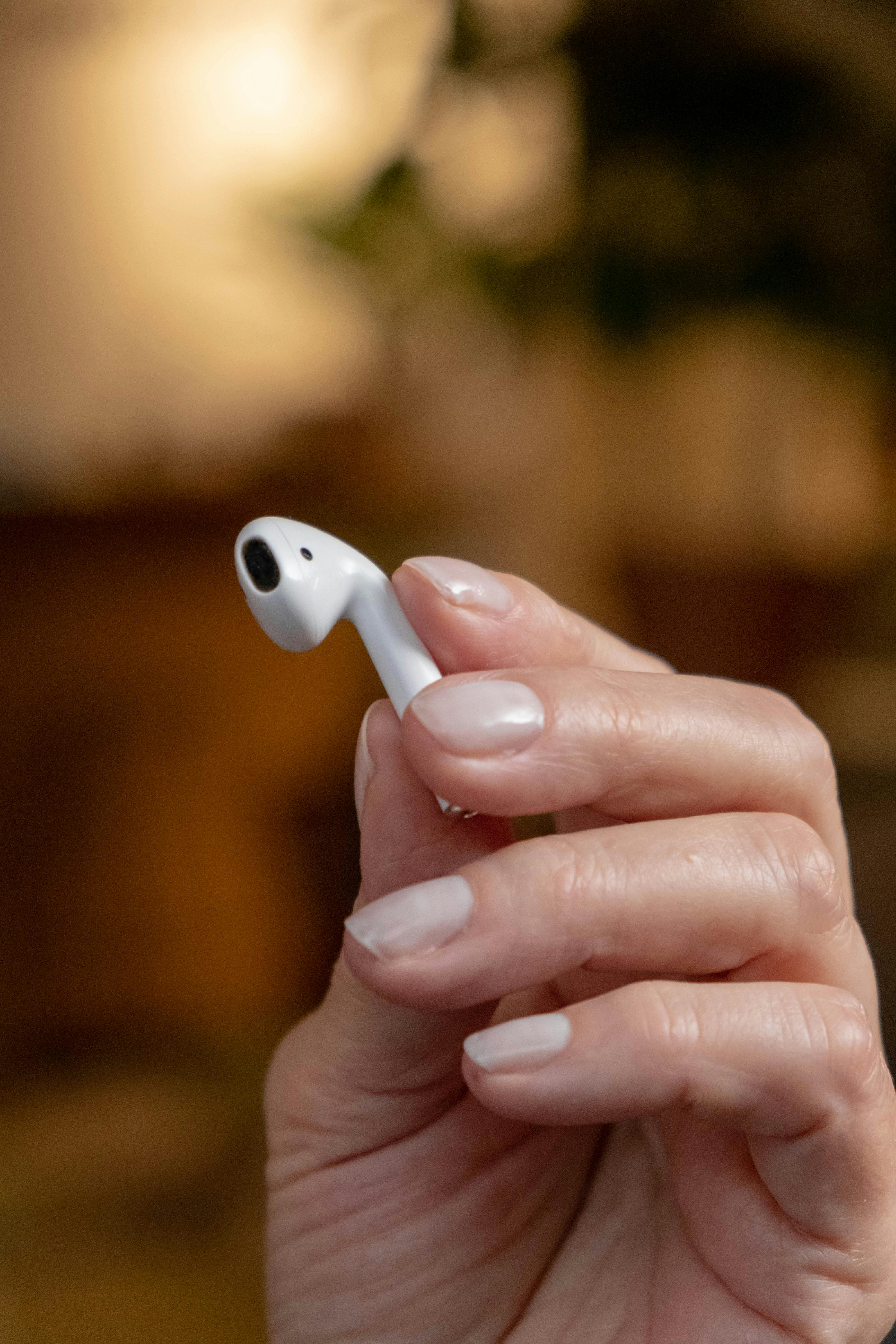
Here’s the kicker: silence is not the whole point. Most people buy these buds for commute use, focus at work, or calmer travel, but they also expect decent phone calls, easy pairing, and enough comfort to keep them in for two hours without fiddling. That is where many sets stumble. They chase spec-sheet glory and forget the human being attached to the ears.
And yes, there is a stewardship angle here, even if nobody in marketing wants to say it out loud. Good tech should serve people, not drain attention, time, and cash with shiny nonsense. Noise-canceling buds are useful when they help you work, rest, and hear more clearly—nothing more dramatic than that.
Core Benefits and Why They Matter
Noise-canceling buds matter for one reason: they reduce friction. Not marketing friction. Human friction. The daily kind.
- Less fatigue in noisy places. Low-frequency noise is tiring. Plane cabins, buses, and open offices wear people down. Strong ANC can make those spaces less brutal.
- Better concentration. I’m skeptical of any gadget that promises “focus,” but lower background noise genuinely helps if you write, read, code, or study in shared spaces.
- Safer listening at lower volume. When the room gets quieter, you do not need to crank the music. That is better for your ears over time.
- Improved travel experience. On airplanes, the difference between mediocre and good ANC is not subtle. It’s the difference between tolerable and annoying.
- Transparency mode can save time. You can talk to a cashier, hear a station announcement, or answer a coworker without removing the buds.
- Call quality often improves in noisy places. Good beamforming microphones and wind reduction help, especially outdoors.
Let’s be real, though: the benefits are not equal for everyone. If you mostly listen at home in a quiet room, ANC is less useful than a reliable fit and sound profile. If you commute daily or sit in a noisy office, it becomes worth far more. That’s why blanket recommendations are nonsense.
The biggest benefit people ignore is predictability. When the right buds block a consistent amount of noise, your listening experience stops swinging wildly between environments. That stability matters. It makes cheap cafes, noisy lobbies, and subway rides less irritating. A small mercy, yes, but mercies matter.
The second benefit is practical: battery management. Active noise cancelation does use extra power, but newer chips and batteries have improved enough that most buyers can get through a normal day. Still, expectations should be grounded. No free lunch here.
If you want a sense of what leading models are doing in the market, RTINGS’ noise-canceling earbuds rankings are useful because they focus on measured performance rather than brand poetry. And for broader buying advice, Wirecutter’s wireless earbuds guide is worth a look when comparing comfort, microphone quality, and battery claims.

Here’s the blunt truth. People often buy ANC buds for a fantasy of silence, then complain when traffic still sounds like traffic. Good ANC does not erase the world. It trims the worst part of it. That is still a real improvement.
Step-by-Step Guide to Choosing the Right Pair
Picking noise-canceling buds is simpler than the industry wants you to believe. Still, simple is not the same as easy.
- Start with fit.
If the ear tips do not seal well, stop there. ANC depends on fit more than ad copy admits. Silicone tips, foam tips, and earbud shell shape all affect performance.
- Decide what noise you hate most.
Low rumble from trains? Office chatter? Wind? Each problem is handled differently. Some buds crush bassy noise better than sharp voices. Others do the reverse poorly.
- Check battery life with ANC on.
Manufacturers love quoting maximum battery life with ANC off. That is cute. What matters is real use with ANC, Bluetooth, and a few calls per day.
- Evaluate the app, not just the buds.
Good companion apps let you adjust EQ, ANC strength, touch controls, and firmware updates. Bad apps are cluttered, unstable, or missing basic settings.
- Test microphone performance.
Call quality matters more than people think. If you take work calls outside, weak mic pickup will annoy you fast.
- Look for transparency mode that sounds natural.
A harsh or compressed transparency mode makes conversations unpleasant. The better systems sound close to open air, not like a cheap intercom.
- Compare codec support honestly.
SBC, AAC, aptX, LDAC, and newer options can matter, but not as much as fit and tuning for most listeners. Spec worship is a hobby, not a strategy.
- Check water and dust resistance.
IP ratings are not decorative. Sweat, rain, and dust kill electronics faster than people like to admit.
- Read measured reviews, not just star ratings.
I trust frequency graphs, battery tests, and noise attenuation data more than one-line praise written five minutes after unboxing.
- Think about your actual routine.
A student, a frequent flyer, and a remote worker do not need the same set. Buy for the life you live, not the one the box imagines.
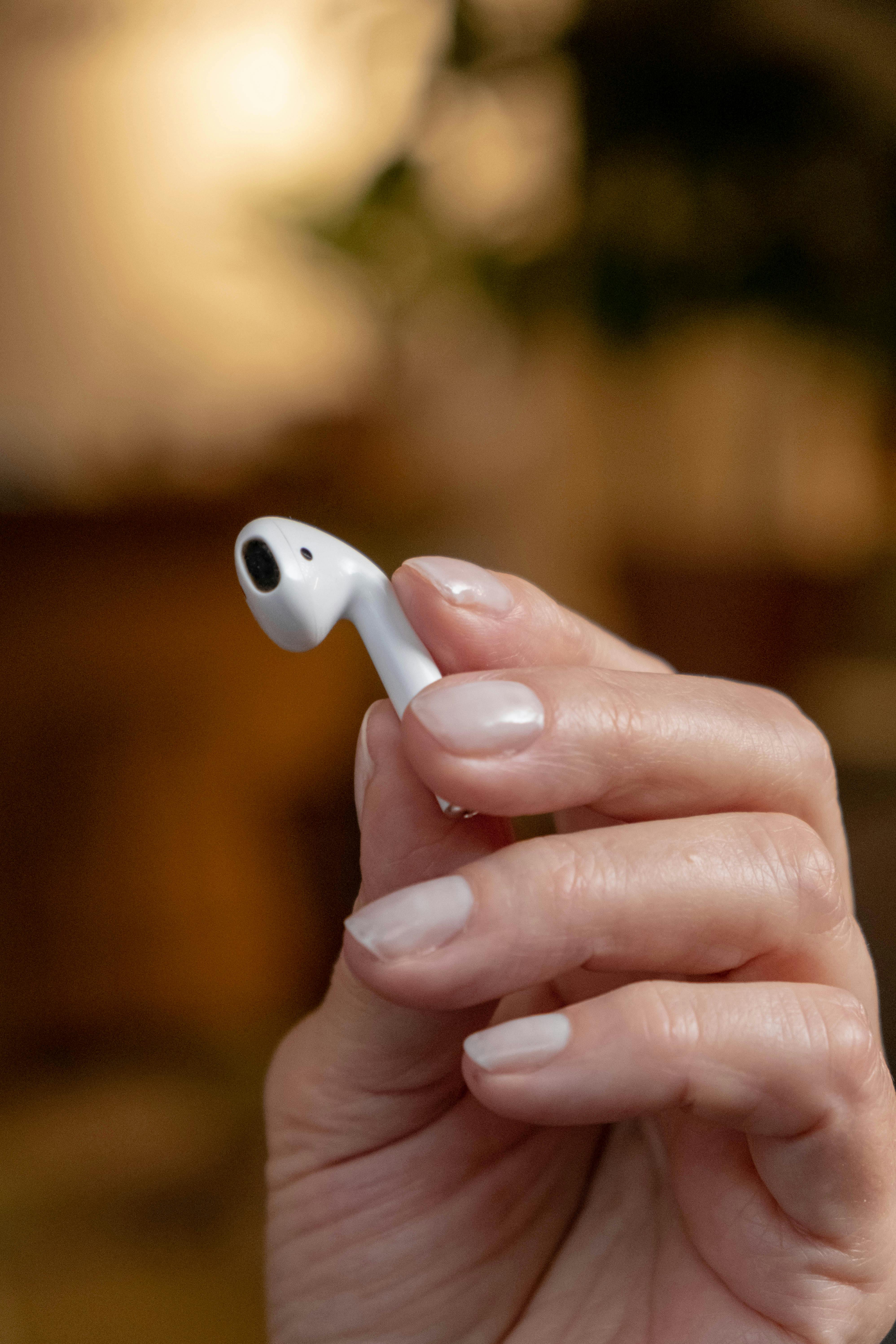
Here’s what nobody tells you: the best buds are the ones that disappear. Not in your wallet. In your head. They connect quickly, sit securely, reduce noise, and let you get on with your day. That is the whole trick.
When I test buds, I look for boring reliability first. Fancy gestures come later. A stable Bluetooth connection, sensible touch controls, and a case that opens without feeling like a tiny lawsuit matter more than gimmicks.
For readers who want to compare the technology side with broader market trends, The Verge’s tech coverage often places earbuds in the context of platform changes, chip improvements, and ecosystem behavior. That context matters more than the usual “best ever” nonsense.
Comparison Table: Noise-Canceling Buds vs. Standard Wireless Buds
| Feature | Noise-Canceling Buds | Standard Wireless Buds |
|---|
| Background noise reduction | Strong, especially on low-frequency hum | Minimal, depends mostly on seal |
| Battery life | Usually lower with ANC enabled | Often better, simpler power draw |
| Sound in loud places | Clearer at lower volumes | More easily drowned out |
| Transparency mode | Common and often useful | Rare or basic |
| Call performance | Often better tuned for outdoor noise | Varies widely |
| Price | Higher | Usually cheaper |
| Best for | Travel, offices, commuting, focus | Quiet home use, casual listening |
The comparison is not complicated. Noise-canceling buds cost more because they do more. But “more” is not always “better” for every buyer. That’s the key.
If you sit in a silent house and mostly listen to podcasts, you may be paying for a feature you barely notice. If you ride a bus every morning, work near HVAC noise, or travel often, the premium begins to make sense. Context is everything.
The market keeps pretending everyone wants the same thing, and that is nonsense. A good product is not the one with the longest spec list. It is the one that fits a real need without wasting money or attention. That is a very old rule, actually.
Common Mistakes to Avoid
Most bad advice around earbuds is recycled hype. It sounds confident. It is still wrong.
- Buying on ANC claims alone. Marketing will brag about “industry-leading silence,” but those claims often hide the details. Some buds crush airplane hum and fail against voices.
- Ignoring the fit. If the tips are wrong, the whole product underperforms. No algorithm fixes a bad seal.
- Assuming expensive means better. Not always. Sometimes you pay for brand cachet, not better tuning or stronger mics.
- Forgetting about comfort. A heavy shell or poor nozzle angle can make premium buds miserable after 45 minutes.
- Trusting battery claims without ANC. That figure is often a fantasy number. Real battery life is lower.
- Using poor ear tip sizes. This is common and lazy. Try the included sizes before judging the buds.
- Overvaluing codec talk. People obsess over aptX or LDAC when they should be checking fit, call quality, and stability.
- Ignoring app quality. A buggy app can ruin a good device by making it annoying to adjust.
Frankly, the biggest mistake is buying for status. People do this with gadgets all the time. They want the brand that signals taste or wealth, then they live with mediocre comfort and inflated expectations. That is not smart buying. It is vanity with a charging case.
A second mistake is assuming all ANC is the same. It is not. Some systems are tuned for maximum suppression in planes and trains. Others are gentler and preserve sound quality better. Some adapt automatically. Some do not. You need to know which tradeoff you actually prefer.
There is also a moral hazard in tech culture that never gets enough attention: the habit of treating convenience as the highest good. Good design should serve the person, yes, but it should also respect limits. Silence is useful. So is presence. So is being able to hear the person beside you without staring into a screen like a trench cleric seeking a signal from the void.
Frequently Asked Questions
Do noise-canceling buds work without music playing?
Yes. ANC works whether audio is playing or not, though the effect varies by model and fit. Some people use them as a quiet aid on flights or in offices. That said, they do not create perfect silence, and voice-heavy noise still leaks through.
Are noise-canceling buds bad for your ears?
No, not by themselves. In fact, they may help people listen at lower volumes in noisy places. The risk comes from blasting audio too loud for too long, which is true for any earbuds. Common sense is still free.
Is transparency mode worth using?
Usually, yes. It is handy when you need to hear a conversation, traffic, or announcements without removing the buds. The best transparency modes sound natural and do not hiss like a cheap radio.
Should I buy buds or over-ear headphones for ANC?
If maximum silence is your goal, over-ear headphones usually block more noise. If portability matters more, buds win. If you commute, travel light, or hate bulky gear, buds are the better fit. Easy answer, really.
Final Thought
Noise-canceling buds are one of the few consumer electronics categories where the marketing can still fool people, because the product is genuinely useful and the differences are subtle. That makes it easy for companies to hide weak tuning behind fancy photos and a polished app. Resist that. Use your ears, your routine, and a little patience.
When I look at the best sets, I’m not impressed by the loudest claims. I’m impressed by restraint. Good fit. Stable ANC. Respectable battery life. Clear calls. Controls that do not make you curse under your breath. Those are signs of a product designed for people rather than applause.
And that matters. Technology at its best helps us do ordinary things well—work, rest, listen, speak, and pay attention to the people in front of us. In a world that keeps shouting for more, a bit of silence can be a genuine service.