Smart plugs are simple. They make dumb appliances obedient, letting you control lamps, fans, coffee makers, and holiday lights from an app, a schedule, or your...
Smart plugs are simple. They make dumb appliances obedient, letting you control lamps, fans, coffee makers, and holiday lights from an app, a schedule, or your voice assistant, but the real value is not glamour—it is control, waste reduction, and fewer annoying chores. Most people buy the wrong one.
Key Takeaways:- Smart plugs are best for basic on/off control, not fancy automation theater.
- The important specs are Wi-Fi compatibility, load rating, app quality, energy monitoring, and size.
- Matter support matters more than buzzwords, because it reduces vendor lock-in.
- The biggest competitor to a smart plug is still a dumb outlet with discipline—and that is not a joke.
- Cheap plugs can be fine, but flaky firmware and bad apps ruin the experience fast.
What is a smart plug, exactly? It is a compact switch that sits between a wall outlet and a device, then lets you turn power on or off through an app, a schedule, or a voice assistant like Alexa, Google Home, or Siri. That is the clean definition. The messy reality is that smart plugs are only useful if they fit your home network, your appliances, and your patience for software that sometimes behaves like it was written in a hurry.
I have tested enough of these little boxes to say this plainly: most marketing copy overstates what they do. A smart plug does not make a bad appliance good, and it certainly does not turn a space heater into something safe just because the packaging says “smart.” It is a control layer, nothing more. Useful? Yes. Magical? No.
Here is the kicker. Smart plugs shine in boring tasks. That is the whole point. A floor lamp in the hall. A fan in a guest room. A Christmas tree that should not stay on all night. A curling iron that you keep forgetting to switch off, though you should really build better habits there. Used well, a smart plug reduces waste, trims idle power draw, and saves time. Used badly, it becomes one more app you ignore after three days.
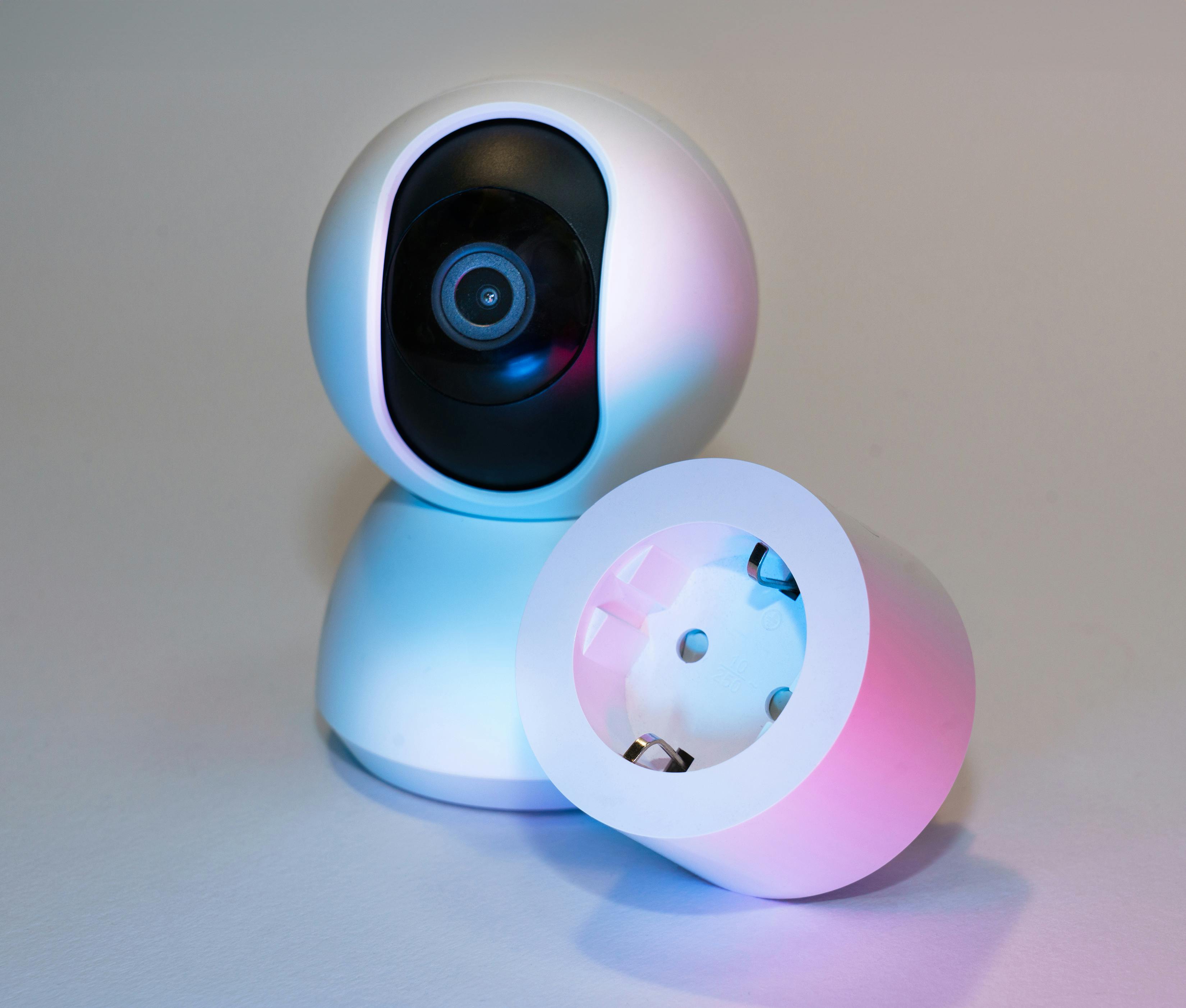
The best smart plugs today also reflect a bigger shift in consumer electronics. People do not want novelty for its own sake. They want gear that respects their time, their money, and their home. That sounds almost old-fashioned, but it matters. Good technology should serve the household, not the other way around. In a sane world, that is just stewardship.
If you want the shortest possible answer, here it is: buy a smart plug if you need scheduled control, remote switching, or energy tracking, and skip it if you just want to feel clever. The hard part is choosing one that works reliably for your devices and your ecosystem.
What should you look for? Compatibility first, because a plug that cannot join your Wi-Fi is a paperweight with a blinking light. Then check the electrical rating, the app, and whether the plug blocks adjacent sockets, because some of these things are built like tiny concrete blocks. Small annoyance, big consequence.
Core Benefits and Importance
- Automation without rewiring: You can add simple control to lamps, fans, and seasonal lights without hiring an electrician.
- Remote access: You can check or switch devices when you are away from home, which is useful for peace of mind and household routines.
- Schedules and timers: These are the real winners, because predictable on/off routines often matter more than voice control.
- Energy monitoring: Some models show how much electricity a device uses, which helps identify power hogs.
- Voice assistant support: Handy, sure, but not essential. Frankly, a button in an app is often faster.
- Safety reminders: If you use them to shut off clearly suitable devices, they reduce forgetfulness and waste.
Still, let’s not pretend every use case is noble. Smart plugs are overhyped for appliances that already have built-in timers, and they are often pointless for devices that should not be power-cycled remotely. People love to automate before they understand the device, then blame the hardware when a coffee maker forgets its state or a router reboots at the worst possible time. That is not innovation. That is self-inflicted nonsense.
One more thing. A smart plug can reveal how much of your home life is already on autopilot. That is useful information. The numbers often expose waste, not because electricity is dramatic, but because small invisible losses add up. That is the sort of thing adults should care about.
Step-by-Step Implementation Guide
How do you set one up without wasting an afternoon? The process is straightforward if you do it in order and do not skip the unglamorous bits. Most problems come from rush, not complexity.
- Check the device rating. Make sure the plug supports the load of the appliance you want to control. Resist the urge to eyeball it.
- Confirm Wi-Fi requirements. Many smart plugs use 2.4GHz Wi-Fi only. If your router hides that band, fix the router first.
- Install the app. Yes, every brand wants its own app. Annoying, but expected.
- Connect the plug to power. Use a wall socket with enough clearance so the plug does not block the second outlet.
- Pair it carefully. Follow the pairing instructions exactly, because shortcuts tend to fail at the least convenient time.
- Rename the device clearly. Call it “Hall Lamp” or “Coffee Corner,” not something cute that becomes impossible to remember.
- Create one schedule first. Start simple. A morning lamp schedule or a nightly off timer proves the setup works.
- Test manual control. Tap the app, then test voice control if you care about it. Do not assume it works because the box says so.
- Add automations last. If you build three clever routines on day one, you will spend day two debugging your own ambition.
When I test smart home gear, I always start with a plain switch test. On, off, repeated several times. No drama. If a device cannot survive basic use, its advanced features are irrelevant fluff.

The biggest competitor to a smart plug is not another smart plug. It is the plain old outlet and a bit of discipline, or a simple timer outlet if you need one job done with less fuss. That comparison matters because smart plugs are sold as universal fixes, but universal fixes are usually mediocre. Here is the blunt truth: if you only need a lamp to turn on at sunset, a cheap timer may be enough. If you want remote control, usage logs, or integration with a broader smart home system, the smart plug earns its keep.
| Feature | Smart Plug | Basic Timer Outlet |
|---|
| Remote app control | Yes | No |
| Voice assistant support | Often yes | No |
| Energy monitoring | Sometimes | No |
| Setup complexity | Moderate | Low |
| Wi-Fi dependence | Yes | No |
| Works during internet outage | Usually local-only, if supported | Yes |
| Cost | Higher | Lower |
| Best for | Flexible home automation | One-task scheduling |
The table makes the tradeoff obvious. A smart plug offers flexibility, but it also brings software, connectivity, and support issues into the picture. A timer outlet is boring, and boring is often reliable. That does not mean smart plugs are bad. It means you should buy them for the right reason, not because a product page filled you with optimism.
Common mistakes are predictable. People buy the cheapest model and then act surprised when the app feels rotten. They buy oversized plugs and lose a whole wall socket. They ignore the load rating and try to control a space heater or a high-draw appliance they should have left alone. They also assume every smart plug supports every platform, which is how you end up with a box of regret and another login to forget.
Another mistake is chasing features you will never use. Energy monitoring is valuable for some households, but if you never check the charts, it is just a checkbox. Matter support is worth paying attention to because it improves compatibility across ecosystems, yet it is not a cure-all. The truth is, good interoperability is a sign of respect for the user, not a marketing slogan.
Then there is privacy. Not enough buyers ask who gets the data. Most smart plugs do not collect shocking personal secrets, but they still create usage patterns—when you are home, what appliances run, how routines change. That information should be handled with restraint and honesty. Technology ought to serve people, not reduce them to data points for someone else’s dashboard. Simple idea. Hardly radical.
You should also be skeptical of “AI-powered” claims attached to basic power switches. There is no need for machine learning to turn a lamp off at 11 p.m. That is just software with extra mascara. Use the tool for the task it actually performs, not the one the brochure wishes it did.
What makes a good smart plug worth buying in practice? A stable app, clear setup, sensible dimensions, and firmware that does not make you hate your phone. I value local control when available, because it improves reliability and keeps a basic function working when the internet sneezes. I also prefer plugs that support scheduling inside the device or hub, not only through a vendor cloud that may age badly.
Frequently Asked Questions
Q: Are smart plugs worth it?
A: Yes, if you need remote control, scheduling, or energy tracking. No, if you only want a simple on/off switch and do not care about app control.
Q: Can smart plugs save money?
A: Sometimes. They help cut standby waste and make routine shutoffs easier, but they will not slash a big electric bill by themselves.
Q: Do smart plugs work with Alexa, Google Home, and Siri?
A: Many do, but compatibility varies. Check the exact model and platform support before buying.
Q: Are smart plugs safe for space heaters?
A: Usually not a good idea unless the plug is specifically rated for that load and the manufacturer says it is acceptable. Be cautious.
The final word is plain. Buy a smart plug when it solves a real, recurring problem, not because you want one more blinking thing on your Wi-Fi. The best ones disappear into the routine, doing their job quietly, and that is how good household technology should behave. Not flashy. Just useful.