This week in tech was messy. OpenAI and Elon Musk are back at each other’s throats, the DOJ appears to have mishandled voter data, and Artemis II is finally...
This week in tech was messy. OpenAI and Elon Musk are back at each other’s throats, the DOJ appears to have mishandled voter data, and Artemis II is finally heading home after a long, expensive, very human piece of engineering. Here's the kicker: all three stories are really about power, process, and who gets to trust the people in charge.
Key Takeaways
- OpenAI vs. Musk is not just ego theater; it affects AI governance, product direction, and public trust.
- DOJ voter data mistakes raise ordinary but serious questions about security, accuracy, and accountability.
- Artemis II shows what careful engineering still looks like when the goal is safety, not splashy slogans.
- The common thread is stewardship: technology matters most when it serves people well.
- Most tech reviews are marketing fluff. The systems are the story.
What is Uncanny Valley as a tech-news moment?
Uncanny Valley is the feeling that something looks familiar, but not right. In tech reporting, it also describes the odd mix of brilliance and bad judgment that shows up when huge systems run into human pride, weak controls, or plain old sloppiness. This week’s batch of stories fits that frame perfectly.
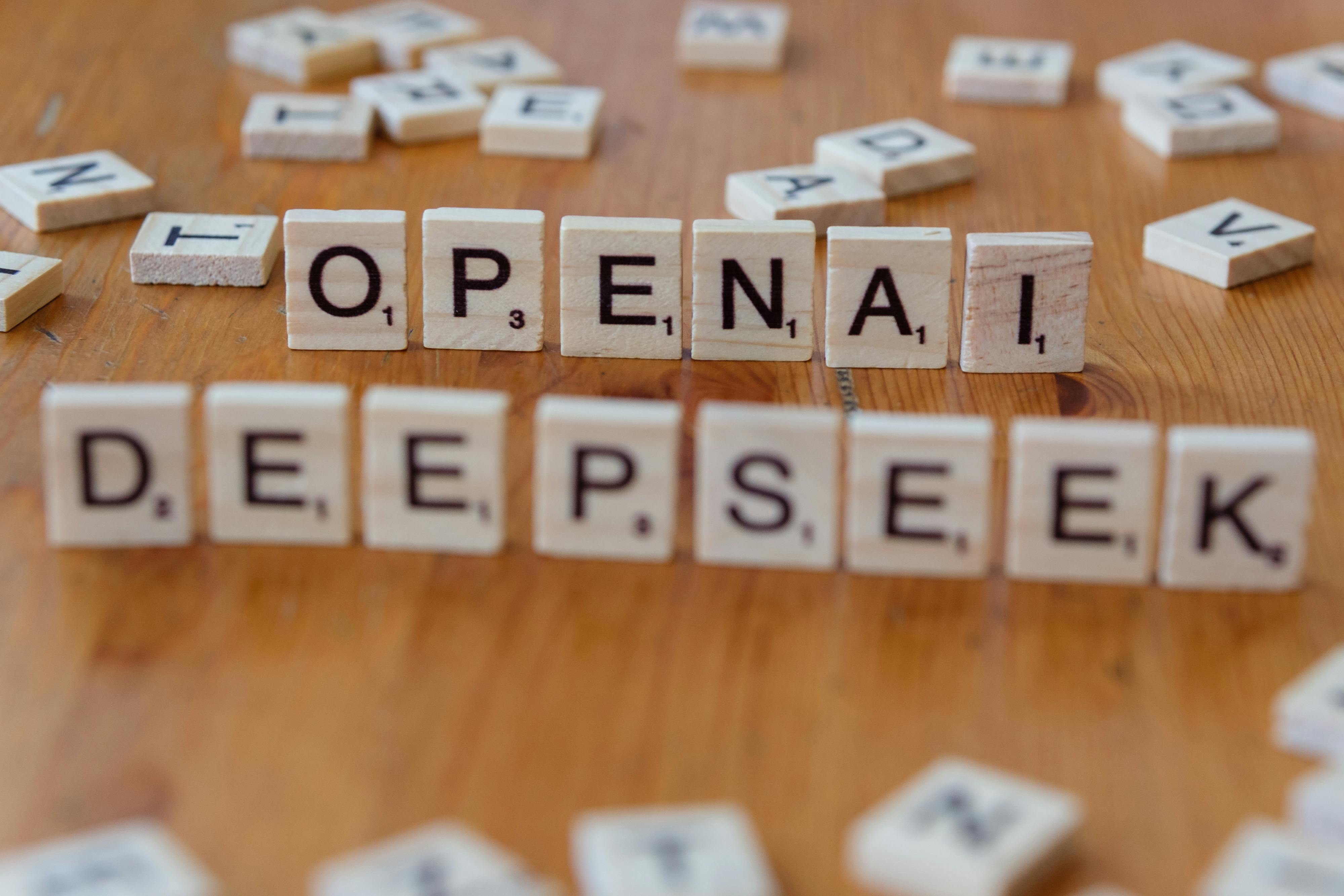
OpenAI and Musk are fighting again, and the argument is no longer just personal. It touches the structure of modern AI firms, who controls model behavior, and whether “public benefit” is a slogan or a real operating principle. The DOJ story is less glamorous but more alarming. Data handling failures, especially involving voter information, are not some abstract compliance issue; they can shake confidence in institutions that already run on thin ice. Artemis II, meanwhile, is the rare bright spot. It reminds us that hard things can still be done carefully, with discipline, testing, and patience. Frankly, that matters more than the usual startup chest-thumping.
I’ve covered enough product launches and policy spats to know this: the press release is usually the least interesting part. The real story sits in the incentives, the guardrails, and the people who have to live with the consequences. That is where human dignity enters the picture, whether the subject is AI, election systems, or spacecraft. Good engineering serves the common good. Bad engineering forces everyone else to pay the bill.
If you want a useful parallel, look at this broader read on OpenAI and Musk’s feud for the corporate angle, or this breakdown of federal voter data errors for the governance side. For the space piece, NASA’s own mission pages remain the cleanest source on Artemis planning and operations.
Core Benefits and Importance
This week’s stories are useful because they expose the parts of technology that matter most and get discussed least. Not the shiny demo. Not the influencer clip. The boring stuff: governance, process, verification, and responsibility. Boring? Maybe. Essential? Absolutely.
- OpenAI and Musk fighting again matters because AI governance is still unsettled. Whoever controls model road maps, safety rules, and corporate mission statements has enormous influence over how these systems shape work, education, and information. That is not small potatoes.
- DOJ voter data mishaps matter because voter trust is fragile. People can tolerate slow systems better than sloppy ones. If an institution cannot keep data clean, secure, and correctly matched to the right records, it invites chaos and doubt.
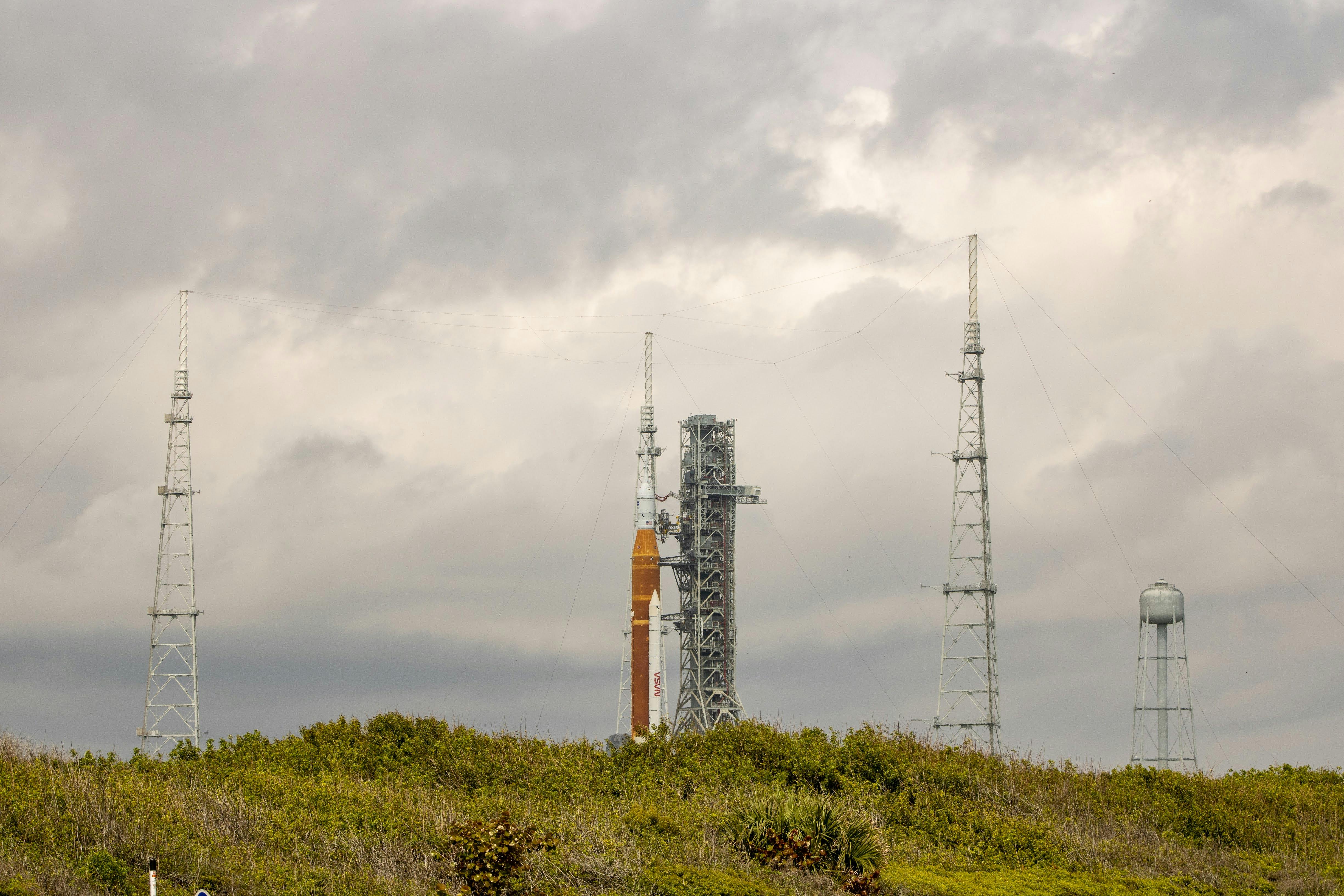
- Artemis II matters because it proves deliberate engineering still works. Spaceflight has no room for hype-driven shortcuts. Redundant systems, rigorous testing, and mission discipline are not sexy, but they are how you get people home alive.
- These stories show the cost of weak stewardship. Technology is not morally neutral in practice, because someone always decides how it is built, deployed, and maintained. A society that treats tools as toys ends up with predictable wreckage.
- They reveal the gap between capability and wisdom. We can build astonishing systems, but that does not mean we should trust every operator, executive, or agency to use them well. Big difference.
Most tech coverage treats conflict as entertainment. I think that is lazy. When I review devices or analyze companies, I care less about the noise and more about whether the architecture supports actual human needs. A model company’s governance affects writers, students, engineers, and workers. Election data affects citizens directly. Space systems affect everyone through research, national capability, and the standards they set.
Here’s the practical truth: people remember failures of trust longer than they remember clever features. That is why this week feels bigger than a pile of unrelated stories. The fight over OpenAI is a fight over control. The DOJ issue is a fight over competence. Artemis II is a fight against gravity, error, and time itself. Only one of those fights is likely to produce a clean result, and even that took years of disciplined work.
For more context on the AI governance side, see this reporting on AI governance and corporate control. On the election systems front, this primer on voter data security is solid and unsentimental. On Artemis II, NASA’s official updates remain the gold standard, because space reporting should start with facts, not vibes.
Step-by-Step Guide to Reading Tech News Without Getting Played
- Start with the system, not the headline. Ask who owns the infrastructure, who approves the changes, and who gets blamed when things break. I’ve found that most failures are not random; they are the result of weak ownership. That is true for AI labs, government databases, and spacecraft programs alike.
- Separate drama from structure. Elon Musk and OpenAI generate plenty of theater, but the structural question is more important: how do AI firms balance commercialization, safety, and mission drift? If you only track personalities, you miss the operating model. And the operating model is the part that bites.
- Check what kind of data is involved. Voter data is not like a social feed or a shopping cart. It is sensitive, politically consequential, and tied to democratic legitimacy. When data is mishandled, even if the error is “administrative,” the damage can spread fast. Trust is brittle.
- Look for verification layers. Artemis II exists because NASA likes checklists, redundant systems, and long test cycles. That sounds tedious because it is tedious. It also works. When I compare products or systems, I trust the ones with real QA, not just polished marketing copy.
- Ask who benefits if the story is ignored. If a company downplays an AI governance dispute, it preserves flexibility and power. If an agency minimizes a data mistake, it avoids scrutiny. If a space program overstates success, it can hide risk. Follow the incentives. They rarely lie.
- Use source material, not recycled commentary. Read primary documents when you can. Company statements, court filings, agency releases, and technical mission notes usually tell you more than the first wave of pundit chatter. I know, that sounds obvious, but obvious advice is often ignored.
- Keep human purpose in view. Technology should serve real people, not abstract power games. That line sounds almost old-fashioned, but it is the right measure. Innovation is useful when it supports truth, safety, and the common good. Otherwise it is just expensive noise.
If you want a deeper technical angle on AI behavior and model oversight, this overview of AI governance frameworks is worth your time. For federal data handling and election security, the official voter records guide gives a plain-language baseline. For NASA’s side of Artemis, the agency’s mission pages and press kits are the place to start.

Comparison Table
| Topic | OpenAI vs. Musk | Big Competitor: Traditional Silicon Valley power struggle |
|---|
| Core issue | Control of AI direction, mission, and safety | Control of platform, market share, and narrative |
| Stakes | Model behavior, public trust, regulatory pressure | Profit, influence, product dominance |
| Failure mode | Governance confusion, public backlash, legal noise | Monopoly habits, feature bloat, complacency |
| What matters most | Clear ownership and safety rules | Execution speed and capital advantage |
| Public impact | High, because AI affects many sectors | High, but often indirect and slower |
| Best metric | Transparency plus responsible deployment | Reliability plus useful outcomes |
| Weakest point | Personality-driven escalation | Self-congratulation and slow correction |
This table is not a cute gimmick. It shows something important: not every tech fight is the same. OpenAI vs. Musk has the feel of a boardroom drama, but the stakes are closer to infrastructure than gossip. A classic Silicon Valley grudge match is about market position. This one is about what kind of intelligence tools get built, who gets to steer them, and whether safety survives the sprint to revenue.
If you want a second comparison, think about DOJ data handling versus a well-run consumer device. A good smartphone stores, syncs, and protects your information with invisible discipline. A bad institutional system should not be treated as a minor inconvenience; it can do real civic harm. As I’ve said before in product reviews, the best systems are often the ones you barely notice because they do the basics well.
Artemis II belongs in another category entirely. It is not about market domination. It is about competence under pressure. That is why it stands out. In a culture obsessed with speed, NASA still reminds us that some missions require humility, patience, and the willingness to be corrected by reality. That is a healthy thing. Honestly, more of tech should look like that.
For readers comparing standards of reliability, this NASA overview of Artemis II mission planning is worth bookmarking. If you care about how institutions manage sensitive records, the U.S. Government Accountability Office regularly publishes reports on data quality and oversight. For AI control battles, the most relevant material is usually in filings, policy notes, and technical safety statements rather than hot takes.
Common Mistakes to Avoid
People make this harder than it needs to be. Then they blame the tech.
- Mistake 1: Treating the Musk-OpenAI fight like pure celebrity drama. That is convenient, but shallow. The actual issue is who shapes AI direction, what obligations follow that power, and whether governance is strong enough to survive conflict. Most commentary skips the hard part. Surprise, surprise.
- Mistake 2: Assuming a data error is just a clerical hiccup. Not always. In voter systems, small mistakes can cascade into loss of confidence, extra work, and political suspicion. Bureaucracies love the word “administrative,” because it makes failures sound harmless. They are often not harmless.
- Mistake 3: Confusing engineering discipline with slow thinking. Artemis II shows the opposite. Real caution is not indecision. It is planning. It is testing. It is accepting that physics does not care about press cycles. The same lesson applies to device testing, software rollout, and cybersecurity.
- Mistake 4: Believing every tech problem needs a louder tool. Usually, it needs a better process. Better checks. Better documentation. Better accountability. Frankly, most systems fail because the humans around them got lazy, rushed, or arrogant.
- Mistake 5: Ignoring the ethical layer because it sounds soft. That is a mistake too. Human beings are not accessories to systems. They are the point. A Catholic view of stewardship makes this plain without being dramatic: tools are meant to serve persons, families, communities, and the truth. If a system is clever but degrades trust, it is not really successful.
I’ve watched too many product launches and policy rollouts get praised for ambition while the basic plumbing rotted underneath. It is the oldest trick in tech. Big speech, weak follow-through. The antidote is unglamorous: audits, reviews, verification, and the humility to admit error early.
For a clean example of this mindset, compare NASA’s mission discipline with most commercial hype cycles. NASA publishes constraints, timelines, and safety updates. Many companies publish adjectives. That tells you plenty.
If you want a serious read on software and process errors, this guide on secure software development is practical. For civic systems and data hygiene, the GAO’s oversight work is worth a look. For AI disputes, legal filings and board statements beat rumor every time.
Frequently Asked Questions
Why does the OpenAI and Musk fight keep coming back?
Because the underlying disagreements never went away. Money, control, mission, and AI safety are still in tension. When those forces sit in the same room, they do not quietly resolve themselves. They usually come back sharper.
Why is the DOJ voter data issue a big deal?
Because voter data is tied to democratic trust. A mistake may sound small on paper, but in practice it can confuse records, slow processes, and make people doubt whether institutions are competent. That doubt spreads fast.
What makes Artemis II important if it is “just” a mission update?
Because it shows that complex engineering can still be done carefully. Artemis II is about mission readiness, safety, and proving systems under pressure. That sort of competence is rarer than people think.
What do these stories have in common?
Power without discipline. Each story shows what happens when organizations control important systems but must still prove they can manage them responsibly. That is the part headlines tend to blur.
Final Thought
Technology only looks impressive when the lights are bright and the demo works. Real value shows up later, when the arguments start, the database needs fixing, or the spacecraft has to come back alive. That is the boring truth, and boring truth is usually the reliable one.
This week’s tech news is a reminder that systems matter more than slogans. OpenAI’s governance fight tells us that AI is becoming civic infrastructure whether we like it or not. The DOJ data story reminds us that records, once mishandled, can shake confidence in institutions that cannot afford carelessness. Artemis II reminds us that serious engineering still exists, and thank God for that, because not everything should be run like a startup pitch.
I’m skeptical by default, and for good reason. Most tech coverage sells excitement, then quietly ignores the cleanup. But the cleanup is where trust lives. It is where competence shows itself. It is where stewardship becomes more than a nice word.
If you want the blunt version, here it is: build things that serve people, tell the truth about failures, and fix the plumbing before bragging about the paint. That is not flashy. It is better.