A real emergency kit is plain, not fancy.
A real emergency kit is plain, not fancy.
It keeps you alive when power fails, roads close, and help is slow, because the right gear covers water, light, communication, first aid, and basic shelter without pretending your phone battery or grocery run will save the day.
Key Takeaways- A good emergency kit is about survival basics, not gadget overload.
- Prioritize water, food, light, first aid, power, and information.
- Build for 72 hours first, then expand for longer outages.
- Most people pack the wrong stuff and skip boring essentials.
- The best kit is the one you can grab fast and actually carry.
What is an Emergency Kit?
An emergency kit is a compact set of supplies that helps you manage the first hours or days after a disaster, blackout, evacuation, winter storm, flood, wildfire, or other mess. That’s the simple version. The useful version is this: it is a practical system, not a pile of random gear stuffed into a duffel bag and forgotten until the roof leaks or the grid dies.
I’ve reviewed enough consumer tech and survival gear to say this plainly: most emergency kits fail because people buy too much junk and not enough boring essentials. They grab a multi-tool, a tiny flashlight, and a “tactical” pouch, then forget water, medication, spare chargers, a battery radio, cash, and copies of documents. Frankly, that’s theater, not preparedness.
The best emergency kit works across three conditions: shelter-in-place, short evacuation, and extended disruption. It should account for your home, your car, and your commute. If you have kids, older relatives, pets, or medical needs, the kit must reflect that reality. A one-size-fits-all pack is convenient for marketers and useless for families.
You also want to think in terms of stewardship. Tools are meant to serve people, not replace common sense or turn fear into a hobby. Preparing well is not panic; it is responsibility. The point is to protect human life and dignity when things go sideways, and to do it with calm judgment instead of drama.
If you want official baselines, start with Ready.gov’s emergency kit guidance and the CDC disaster preparedness resources. Those sources are dry, which is good. In this field, dry usually means reliable.
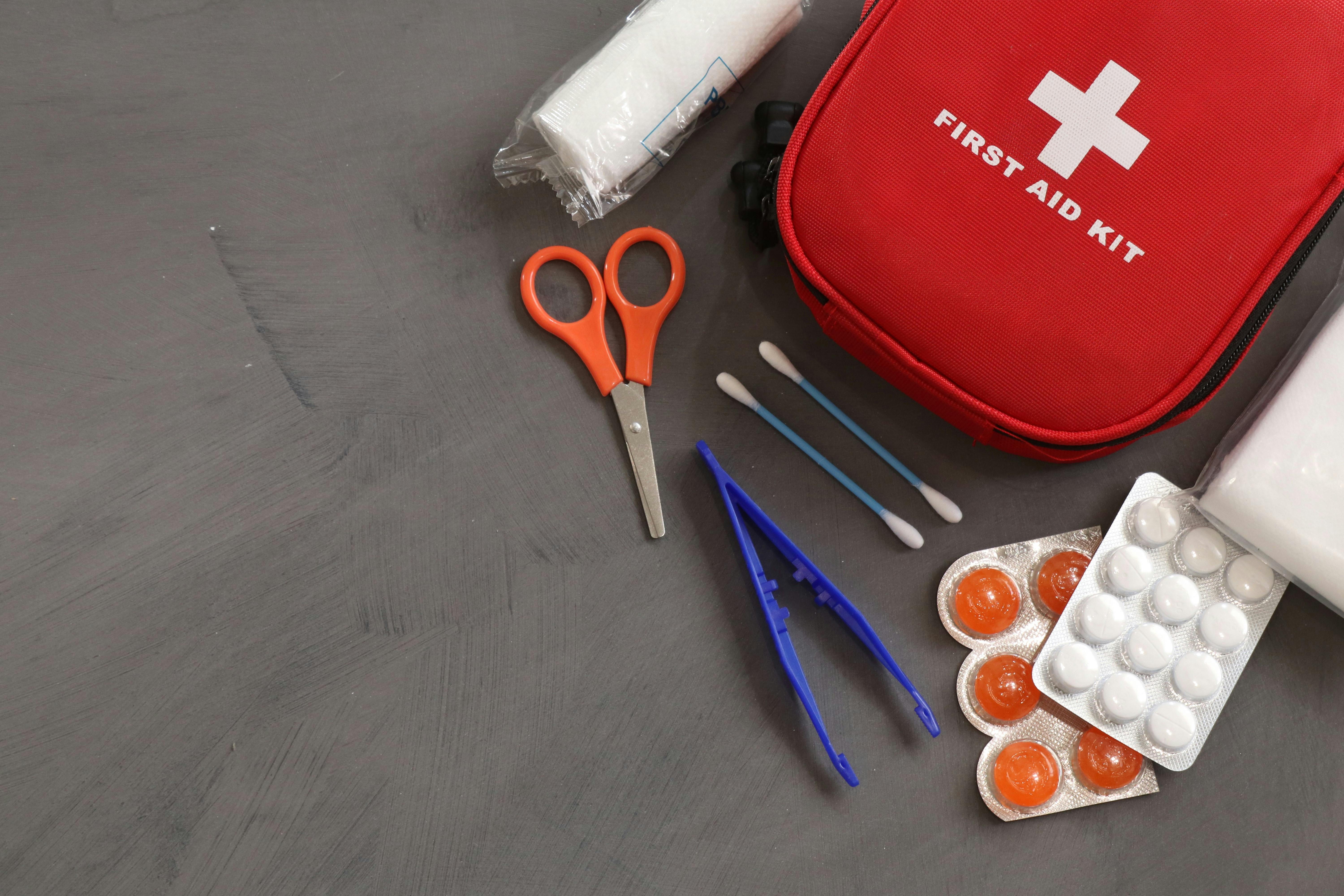
The core idea is simple. Build for what you actually need. Not what looks cool on a shelf.
A proper kit is also modular. Water lives here. Documents live there. Chargers go in a separate pouch. Meds stay current, not expired. That kind of discipline matters because emergencies are noisy and stupid, and the last thing you need is digging through a bag for batteries while your torch dies.
Core Benefits and Importance
A good kit is insurance.
Not the abstract kind that gets discussed in meetings, but the practical kind that buys you time, reduces bad decisions, and keeps a small problem from becoming a large one when conditions are ugly and services are delayed.
Here’s what actually matters:
- Water access: You need at least one gallon per person per day for several days, and that includes drinking plus basic hygiene. The food side gets all the attention, but water is the real boss. No water, no functioning household.
- Reliable light: A strong flashlight or lantern beats a phone screen every time when the lights go out. Phone flashlights are fine for five minutes. Then they become a battery problem.
- Communication: A battery-powered or hand-crank radio gives you weather updates and emergency alerts when cell networks are overloaded. That’s not old-fashioned. It’s sane.
- Medical continuity: First-aid supplies matter, but so do prescription medications, allergy meds, infant needs, and copies of medical information. People forget this until it hurts.
- Power management: Power banks, charging cables, and perhaps a small solar charger keep phones and radios alive. Just don’t confuse charging convenience with survival.
- Documentation and cash: IDs, insurance info, and some cash in small bills can solve problems when digital payments are down. The card reader at the corner store is not promised by the heavens.
- Comfort and morale: Blankets, snacks, hygiene items, and a familiar item for children are not fluff. They help people stay steady, which matters more than macho nonsense would admit.
The skeptic’s view is this: preparedness is often sold as a gear collecting hobby. That’s nonsense. The real value is reduced friction under pressure. A family that can find water, confirm news, charge a phone, and treat a cut is far better positioned than one carrying a folding saw and a survival whistle the size of a peanut.
There is also a moral angle that rarely gets said out loud. If your household is ready, you are less likely to burden neighbors, relatives, or first responders who already have enough to do. Preparedness can be an act of charity when it is done quietly and correctly.
For current gear advice and safety context, see Consumer Reports on emergency preparedness items and the FEMA emergency kit overview.
Step-by-Step Guide to Building the Right Kit
Start with the basics.
Then build around your real life, because the neat little checklists online tend to pretend every household has the same needs, the same medical profile, the same climate, and the same risk. They do not.
1. Pick a container
Use a backpack, duffel, or plastic storage bin, depending on whether the kit needs to move fast or stay parked at home. I prefer a backpack for grab-and-go use, because speed matters when the lights are out and the clock is rude. For home shelter kits, a lidded bin is fine. Just label it clearly.
2. Add water and purification
Pack sealed water bottles if possible, then add a filter, purification tablets, or both for backup. A bottle-only strategy is weak. Water gets used quickly, and in some situations supply lines fail longer than people expect. If you live in a hot region, increase the amount. If your kit stays in a car, rotate water so heat does not ruin it.
3. Pack shelf-stable food
Choose foods that require no cooking or very little of it: bars, tuna pouches, crackers, nut butter, dried fruit, and meal pouches if you can heat them safely. Keep in mind that comfort matters here too. A child who will eat only applesauce is not being dramatic; they are being a child.
4. Add light and power
This is where consumer electronics actually earn their keep. Include an LED flashlight, spare batteries, a lantern, a power bank, and charging cables. If you want extra resilience, add a small solar charger or hand-crank radio. Don’t buy the cheapest battery pack on Earth and assume it will hold charge after six months. Read reviews, check capacity, and test it.
5. Build the first-aid layer
Use a real first-aid kit, not a token pouch with three bandages and a dream. Include gauze, antiseptic wipes, adhesive bandages, gloves, tape, scissors, pain relievers, and any prescription meds. If someone in the household uses an inhaler, epinephrine injector, insulin, or other essential medication, that item is not optional. It belongs in the kit, checked regularly.
6. Store documents and cash
Make waterproof copies of IDs, insurance cards, prescriptions, emergency contacts, and key medical notes. Add some cash in small bills. Digital systems fail at the worst times. Paper is boring, and boring is good.
7. Add clothing and shelter items
Pack a compact blanket, poncho, rain jacket, gloves, socks, and a change of clothes. If your climate gets cold, expand this section. If you live where heat is the threat, include sun protection, hats, and electrolyte packets. A space blanket is cheap and useful, though it is not magic.
8. Include hygiene and sanitation
This part gets ignored until people are miserable. Add hand sanitizer, wipes, toilet paper, trash bags, feminine hygiene products, soap, toothbrushes, and any baby or elder care items. Comfort and cleanliness affect health. No one needs a sermon to understand that after day two.
9. Tailor for family, pets, and commute
Children need smaller food portions, comfort items, and possibly diapers. Older adults may need glasses, hearing aid batteries, or mobility items. Pets need food, bowls, leashes, and vaccination records. For your car kit, add jumper cables, a tire inflator, reflective triangles, and a phone mount. For work, keep a compact version in a desk drawer or bag.
10. Test and rotate
Here’s the kicker: a kit is useless if stale. Check expiration dates every six months. Test flashlights. Charge power banks. Replace water. Review meds. Repack what you used. I’ve seen polished kits with dead batteries and expired tablets. That’s not preparedness. That’s a museum.
If you want a deeper look at how power and device upkeep affect emergency readiness, the basics in CNET’s portable charger guide are worth a skim, and for radio advice, Wirecutter’s emergency radio picks are practical.
Comparison Table: Basic Kit vs. Fully Built Kit
A lot of people ask what separates a cheap starter kit from a serious one. The answer is less about price than coverage. A good kit closes the gaps that cause panic.
| Feature | Basic Store-Bought Kit | Well-Built Personal Kit |
|---|
| Water | A few bottles | Several days of water plus purification |
| Food | Crackers and bars | Shelf-stable meals matched to diet and taste |
| Light | Small flashlight | Flashlight, lantern, spare batteries |
| Power | None or weak charger | High-capacity power bank, cables, backup charging |
| Medical | Tiny first-aid pouch | Full first aid, prescriptions, family-specific items |
| Info | None | Radio, printed contacts, emergency plan |
| Shelter | Thin blanket | Clothing, poncho, cold/heat-specific items |
| Hygiene | Minimal | Wipes, sanitizer, toilet items, menstrual care |
| Family/Pet Needs | Rarely included | Kid, elder, and pet supplies |
| Maintenance | Forgotten | Regular rotation and testing |
The biggest competitor to a solid emergency kit is the cheap prebuilt bundle sold online or in a big-box aisle. Those kits look tidy, but they often underperform in the one place that matters: reality. They are fine as a starter. They are not the finish line.
If you want a more modern take on portable power for emergencies, read Tom’s Guide on the best power banks. For safety-first shopping, REI’s emergency kit guide is also sensible, which is rare enough to mention.
What the table really says
The difference between “basic” and “useful” is not glamour. It is resilience.
A basic kit may look finished on day one, yet fail on day two when batteries run down or someone needs a prescription. A well-built kit is uglier, more personal, and much more effective. That is usually how useful things are.
Common Mistakes to Avoid
Most emergency prep advice is either too theatrical or too vague.
People love dramatic gear videos, but disaster doesn’t care about the coating on your knife handle or whether your pouch has Velcro that sounds expensive. It cares about whether you can drink, see, communicate, and keep your family steady.
Mistake 1: Buying gear before making a plan
A kit without a plan is luggage. Where will you meet? Who grabs the pets? Which route do you take if roads are blocked? Write it down. Talk through it. Then pack the gear around the plan.
Mistake 2: Ignoring medical reality
This is the big one. People remember snacks and forget inhalers. They remember flashlights and forget blood pressure medication. That’s backwards. If someone depends on a medical device or drug, it belongs in the kit and on the checklist.
Mistake 3: Trusting one device for everything
Your smartphone is useful, but it is not a survival plan. Battery dies. Network fails. Screen breaks. That is why radio, paper, and backup power still matter. The shiny slab in your pocket is good, but it is not a sacrament.
Mistake 4: Packing gear you never tested
If you have never used the water filter, opened the radio, or charged the battery pack, you do not really own a working emergency setup. You own a promise. Test everything before you need it.
Mistake 5: Overbuying tactical nonsense
Most households do not need camo pouches, fire starters with ten parts, or a titanium spoon that costs more than lunch. They need light, water, meds, and a way to get information. Keep the fancy stuff for people who make money selling it.
Mistake 6: Forgetting seasonal changes
A winter kit and a summer kit are not identical. Heat waves, freezing rain, wildfire smoke, and flooding each change the list. Update your kit for the season and your region.
Mistake 7: Leaving the kit in a hard-to-reach place
If the kit lives under boxes, behind bikes, or in the attic maze, it is already failing. Put it where you can grab it in seconds. A good kit that can’t be reached is not good.
I’ve seen households spend a fortune on gear, then ignore the quiet discipline of maintenance. That is the common pattern. Build the system, check it often, and keep it serviceable. That is how you respect the people depending on it.
Frequently Asked Questions
How much water should be in an emergency kit?
At least one gallon per person per day is the standard starting point. More may be needed in hot weather, for children, or if you expect longer disruption. Water is heavy, so plan storage carefully and rotate regularly.
What is the most important item in an emergency kit?
Water, followed closely by light, communication, and medication. If I had to pick one category that gets neglected the most, it is medical continuity. People remember gadgets and forget prescriptions. That is a mistake.
Should I buy a pre-made emergency kit?
You can, but use it as a base, not the final answer. Pre-made kits often lack water, family-specific medications, real food variety, and useful power tools. They are starter kits, not serious kits.
How often should I check my emergency kit?
Twice a year is a good habit. Check batteries, expiration dates, medications, water, and charging gear. Also review the plan itself. A kit is only as good as the last time it was inspected.
Final Thought
Preparedness is not paranoia.
It is wisdom with a backpack, and the best version of it is quiet, practical, and ordered toward the good of the people closest to you. That means building a kit that works in real conditions, not one that merely photographs well or flatters the ego. The world is full of fragile systems, and anyone with eyes open can see that. The sensible response is not fear. It is competence.
When I look at emergency gear, I ask one simple question: does this help a person act well under pressure? That is the standard. Not hype. Not a sales pitch. Not some fantasy about becoming a survival hero in a blacked-out city. Just help, delivered in time, with enough clarity to protect life and reduce chaos.
If you build your kit with that mindset, you’ll spend less money on nonsense and more on what actually matters. Water. Light. Power. Medicine. Information. Shelter. Dignity. Those are not glamorous words, but they are the ones that count when the storm hits and the house goes quiet.
And yes, the boring checklist is the point.
