Cybersecurity is no longer just about laptops and servers. It now reaches drones, telehealth systems, payment apps, spyware procurement, content moderation...
Why Cybersecurity Experts Are Turning to Drones, AI, and Hardware Security
Cybersecurity is no longer just about laptops and servers. It now reaches drones, telehealth systems, payment apps, spyware procurement, content moderation, and AI chip design, because the real fight is over who controls data, devices, and trust.
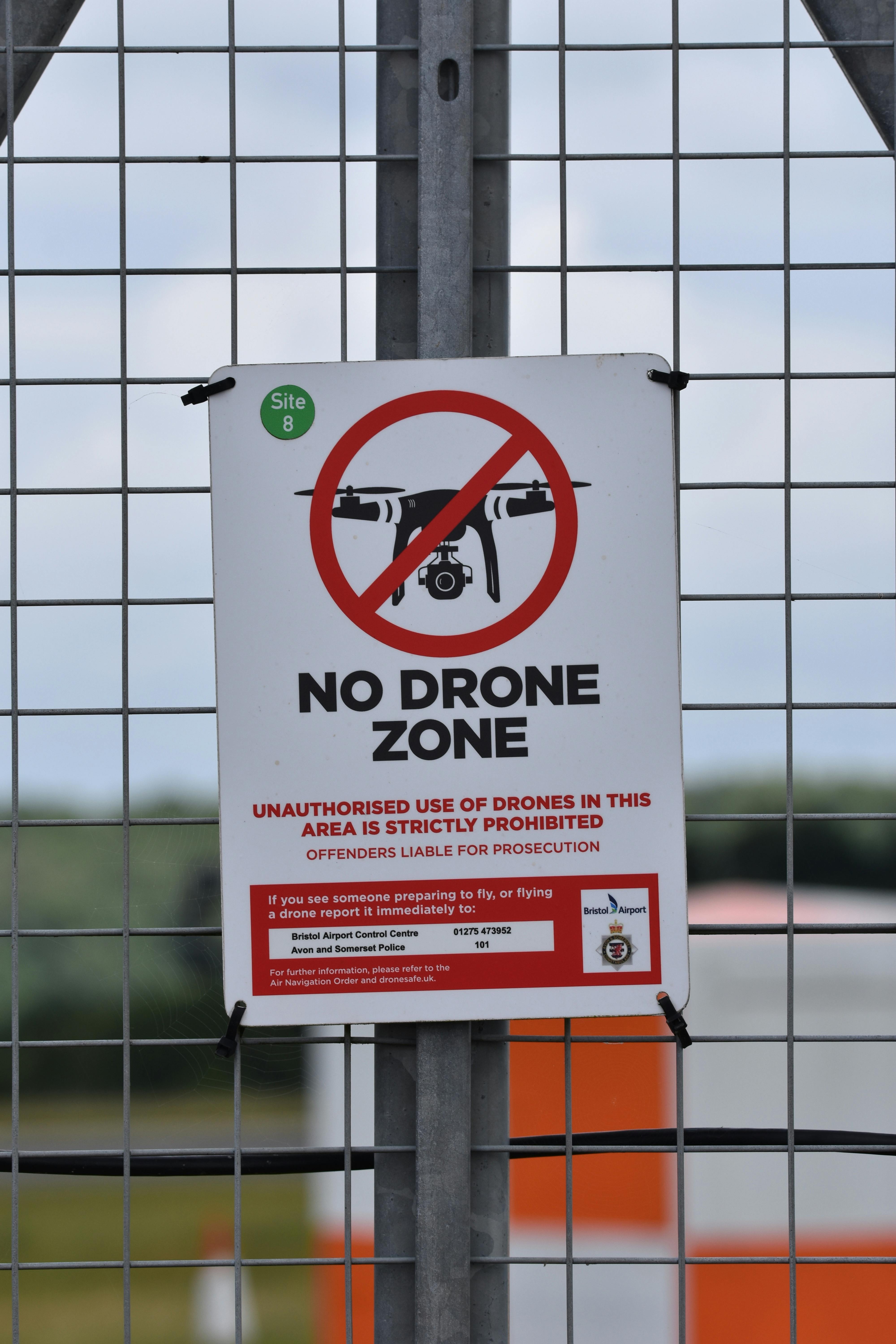
Key Takeaways:- Drones have become a serious security target.
- Data breaches now spread across health, finance, and government-linked systems.
- AI is changing both defense and abuse.
- Hardware security matters as much as software.
- Good tech should serve people, not just scale.
What is cybersecurity now? It is the practice of protecting devices, data, systems, and the people who depend on them, across phones, cloud services, drones, and AI infrastructure. I’ve reviewed enough security headlines to know the old model is broken. Most people still picture a hooded attacker in a basement. Frankly, that image is stale. Modern attacks are messier, more industrial, and often easier than people want to admit.
The pattern is obvious if you read the current news closely. A veteran who spent decades fighting malware is now hacking drones. European cyber authorities are blaming hacking gangs for huge breaches and leaks. Telehealth firms are getting hit through customer support systems. Money transfer apps are leaving passport and license data exposed to the open web. Government agencies are buying spyware. AI moderation teams are being rebuilt. AI chip design startups are raising real money. These are not separate stories. They are one story.
The story is that digital systems are now physical, political, and personal all at once. If a drone can be jammed, hijacked, or spoofed, that is a safety issue. If a support system leaks medical data, that is a dignity issue. If spyware is sold as a law-enforcement tool, that is a civil-liberties issue. And if we build AI systems without restraint, we get speed without wisdom, which is a poor trade, no matter how shiny the pitch deck looks.
Here’s the kicker: security is not just a technical field anymore. It is stewardship. The better question is not whether a system can be built, but whether it should be built this way, for this purpose, and with what limits. That’s the kind of thinking that keeps products useful instead of merely powerful.
What is the main benefit of taking this wider view? Better decisions, fewer blind spots, and a more honest picture of risk. When I analyze a device or service, I do not just ask whether it works. I ask what fails first, who gets hurt, and how much trust the design actually deserves. That habit pays off.
Need proof? Look at modern incident reports, drone security research, and government advisories from CISA, ENISA, and security writeups from major labs like Microsoft Security. The same themes keep showing up: weak identity controls, bad vendor hygiene, poor segmentation, and too much trust in default settings. That is not glamorous. It is just true.
The modern security stack also includes policy, hardware, and human judgment. People love to talk about AI detection models, but few mention the mundane stuff: MFA, patching, device enrollment, tamper resistance, logging, and access reviews. Boring tools save the day. Loud tools mostly sell demos.
I’m skeptical of anyone who promises one product can solve all of this. It never does. Security is a chain, and chains fail at the weakest ring. The right approach is layered, disciplined, and humble. That is also, if you’ll pardon the old-world thought, the morally sane way to build technology for other people to use.
Key Takeaways
- Cybersecurity now spans drones, health apps, finance, AI, and hardware.
- Attacks often begin with identity, vendor access, or exposed data, not flashy exploits.
- AI helps defenders, but it also scales abuse.
- Responsible tech design matters because systems affect real people.
- The best protection is layered, not magical.
What is cybersecurity in the era of drones, AI, and data leaks?
It is a mix of technical controls, operational discipline, and plain common sense. The field includes endpoint security, cloud security, mobile security, OT security, drone security, and AI governance. That sounds broad because it is broad. The old perimeter is gone. Devices roam, accounts sync, and vendors plug into everything.
When I tested security products over the years, the best ones did not brag. They reduced failure points. They made bad choices harder. They alerted without flooding. They preserved audit trails. They respected least privilege. Most importantly, they understood that a system is only as trustworthy as its weakest operator and its weakest integration.
That matters more now because consumer electronics are no longer simple gadgets. A drone is a flying computer. A telehealth portal is a medical gateway. A money app is a bank in disguise. A content moderation stack is part policy engine, part AI filter, and part workplace tool. A chip design company can determine whether future AI systems are efficient, expensive, or vulnerable.
The trendlines are not subtle. As reported by TechCrunch and Reuters Technology, cybersecurity incidents now hit everything from startups to government-linked operations. The details change, but the failure modes repeat: stolen credentials, exposed databases, misconfigured systems, and vendors with too much access.
What does that mean for buyers and builders? It means the best security posture starts before the sale. Ask how data is stored. Ask who can access logs. Ask whether the device supports secure boot, encrypted storage, signed updates, and revocation. Ask whether the vendor has a disclosure process. If they dodge, that tells you plenty.
Why does this matter to ordinary users? Because your device choices shape your risk. Cheap gear with sloppy firmware can leak data. Badly designed apps can expose records. A drone with weak controls can become a hazard. Technology should serve human flourishing, not casually chew through privacy and safety like it’s nothing. That is not anti-innovation. It is basic decency.
Core Benefits and Importance
- Stronger personal safety. Drones, cameras, and connected accessories can create real-world hazards if security is weak. Better controls reduce collision risk, data leaks, and unauthorized access.
- Lower breach impact. Stronger identity controls, encryption, and logging limit damage when an account or vendor is compromised. Breaches still happen. The blast radius can shrink.
- Better purchasing decisions. When you understand threat models, you stop paying for nonsense and start valuing secure design, update support, and privacy settings.
- More reliable AI systems. AI moderation, fraud detection, and chip design tools are only as good as their training data, guardrails, and operational checks.
- Improved public trust. Users trust companies that act like custodians, not extractive data hoarders. That trust is hard earned and easy to squander.
- Practical resilience. Layered security survives mistakes better than “smart” products that depend on one perfect setting or one cloud account staying intact.
Let’s be real. Most people do not care about cybersecurity until something breaks. That is human. But the cost of waiting is higher now because the systems are more connected. A leak in one place can spill into another. A support portal can expose identity documents. A spyware purchase can raise questions about how state power is used. A drone vulnerability can become a physical problem, not just a spreadsheet problem.
I also see a quiet benefit that gets ignored: good security forces clarity. It makes vendors explain their architecture instead of hiding behind slogans. It makes managers document access. It makes engineers think about failure before the outage. That discipline is valuable in itself. It keeps products honest.
And yes, there is a humane angle here that matters. A system built for the common good should protect the weak, not just the wealthy, and that principle ought to shape design choices more than quarterly slides do. If your technology makes life easier for operators while exposing ordinary users, something is wrong.
Step-by-Step Implementation Guide
- Map the assets first. Start by listing what you actually have: drones, laptops, mobile devices, cloud accounts, admin panels, API keys, customer databases, and vendor integrations. I’ve seen teams fail because they defended the wrong things. If you can’t name it, you can’t protect it.
- Tighten identity controls. Use multi-factor authentication, role-based access, and separate admin accounts. Remove shared logins. Rotate credentials. The boring stuff works because attackers love weak identity paths. That’s the entry point in too many breaches.
- Check firmware and update policies. For drones and consumer devices, confirm signed updates, secure boot, and documented support windows. If a vendor treats firmware like an afterthought, that is your warning flare. I’d rather buy a less flashy device with honest support than a polished brick.
- Segment sensitive systems. Keep payment tools, health data, drone control apps, and workplace admin systems apart. Segmentation limits damage when one account or endpoint falls. It is not glamorous. It is effective.
- Review logging and alerting. Logs are not just for compliance. They are for truth. Make sure access logs, file events, and unusual admin actions are retained and monitored. If the vendor cannot show you what happened, they cannot really support the product.
- Test incident response before a crisis. Walk through an account compromise, device loss, or exposure of records. Who gets called? Who freezes access? Who notifies users? I’ve watched teams improvise badly under pressure. Practice prevents that embarrassment.
- Audit vendors and data sharing. Every connection is a liability until proven otherwise. Ask what data is collected, where it is stored, who can see it, and how long it is retained. The more vendors you trust, the more careful you need to be.
- Add human review to AI systems. If you use AI for moderation, fraud checks, or customer support, keep humans in the loop for edge cases. Machines are fast, but they are not moral agents. They do not understand context the way people do.
- Plan for recovery, not perfection. Back up data, keep recovery keys offline, and document restore steps. A secure system without recovery is just a brittle one in nicer packaging.
- Revisit the plan quarterly. Threats shift. Devices age. Staff changes. Vendors change terms. Review the stack on a schedule, not after the breach.
The part people miss is that implementation is mostly habit. It is not some arcane ritual. You build the habit of checking permissions, updating firmware, reviewing logs, and asking annoying questions. That is the job. Frankly, it beats being surprised.
When I compare strong programs to weak ones, the difference is usually not budget. It is discipline. Teams with modest tools can outperform richer teams if they stay curious and strict. That is encouraging, if not exactly sexy.
If you want deeper context on adjacent topics, see our guide to smart home security basics, our review of best privacy-focused gadgets, and our tutorial on how to secure your phone against tracking. Those pieces fit the same puzzle.
Comparison Table
| Area | Stronger Approach | Weaker Approach | Why It Matters |
|---|
| Drone Security | Signed firmware, secure boot, geofencing, access logs | Default passwords, no update policy, weak app controls | Prevents hijacking and unsafe operation |
| Data Protection | Encryption, least privilege, retention limits | Open web exposure, shared access, vague policies | Reduces breach impact and legal exposure |
| AI Moderation | Human review for edge cases, audit logs, policy tuning | Fully automated decisions with no oversight | Avoids false positives and fairness problems |
| Vendor Risk | Contract review, access controls, security questionnaires | Blind trust in “enterprise-ready” claims | Cuts hidden backdoor risk |
| Incident Response | Tested playbooks and backups | Ad hoc reactions after the damage | Speeds recovery and limits chaos |
The biggest competitor to good security is not another company. It is complacency. People assume the cloud will handle it, the app store will filter it, or the AI will catch it. Sometimes those tools help. Often they just shift responsibility around until nobody owns the mess.
Common Mistakes to Avoid
- Assuming consumer devices are harmless. A drone, smart camera, or connected toy can leak data or expose your network. Small device, big headache.
- Trusting defaults. Default settings are optimized for convenience, not safety. Convenience is nice until it becomes a breach report.
- Ignoring support portals and vendors. Many incidents start with third-party access, not the main product. The side door is often the real door.
- Treating AI as authority. AI can summarize, classify, and flag, but it can also hallucinate, mislabel, or overreach. It is a tool, not a judge.
- Collecting too much data. If you store everything, you risk losing everything. Minimal collection is not weakness. It is prudence.
- Skipping recovery planning. If you can’t restore systems cleanly, security becomes theater.
Most advice on this subject is either too dramatic or too soft. The dramatic stuff sells fear. The soft stuff sells subscriptions. Neither helps much. What helps is acknowledging tradeoffs and cutting down attack surface wherever possible.
The current flood of headlines makes one thing plain: breaches rarely look like movie scenes. They look like over-permissioned apps, lazy support workflows, exposed files, and too much trust in vendors. That is dull. It is also real.
I’ve seen too many teams chase the newest shiny tool while neglecting basic hygiene. That is how people end up with expensive dashboards and weak controls. Build the foundation first. Fancy toys come later, if at all.
Frequently Asked Questions
What makes modern cybersecurity different from older security models?
Modern cybersecurity covers cloud accounts, mobile devices, drones, AI systems, and third-party vendors, not just office computers and servers. The attack surface is larger, and the consequences can be physical as well as digital.
Why are drones becoming a security concern?
Drones combine hardware, software, wireless links, and location data. Weak firmware, poor access control, or insecure apps can create risks ranging from spying to loss of control.
Can AI improve cybersecurity?
Yes, but only with limits. AI can help detect anomalies, sort alerts, and assist analysts. It can also make mistakes quickly, so human review and policy controls still matter.
What should I check before buying a connected device?
Look for signed updates, secure boot, privacy controls, clear support windows, and a vendor with a real disclosure process. If the company won’t answer basic security questions, walk away.
Final Thought
The hard truth is that technology reveals what we value. If we value speed above all, we get brittle systems and predictable messes. If we value people, we build with restraint, verify access, limit data, and keep recovery in mind. That may sound unfashionable in a world obsessed with rapid growth, but it is the difference between useful tools and expensive liabilities.
I do not think the answer is less technology. That would be too crude. The answer is better discipline, clearer limits, and more honest design. Drones can be useful. AI can be useful. Security tools can be useful. But usefulness without responsibility is just trouble wearing a nice jacket.
So yes, keep an eye on the headlines. The malware veteran turning to drones, the breach at the telehealth firm, the exposed passports, the spyware purchase, the AI moderation rebuild, the chip-design startup chase — these are not random events. They are signals. The smartest response is not panic. It is attention, skepticism, and careful work done for the good of real people.