Short answer. <strong>The direct answer is that sub-$40 smartphones are feasible only when manufacturers accept major trade-offs, secure low-cost component...
Why Sub-$40 Smartphones Are Hard to Make (And What It Takes to Reach Them)
Short answer. The direct answer is that sub-$40 smartphones are feasible only when manufacturers accept major trade-offs, secure low-cost component sourcing, and optimize software for lean hardware—so market demand exists, but production and distribution costs plus profit margins and regulatory requirements create real barriers. Yes.
Key Takeaways
- Demand for sub-$40 smartphones is real in emerging markets and for social programs.
- Cost drivers: SoC procurement, display panels, battery, camera modules, memory and flash, certification and logistics.
- Trade-offs: Build quality, OS updates, app performance, connectivity bands, and camera performance often suffer.
- Paths forward: Modular hardware design, ultra-low-cost reference designs, carrier subsidies, and shared platforms can bring prices down.
- Ethical angle: Responsible stewardship of technology means balancing low price with durable, repairable devices for human dignity.
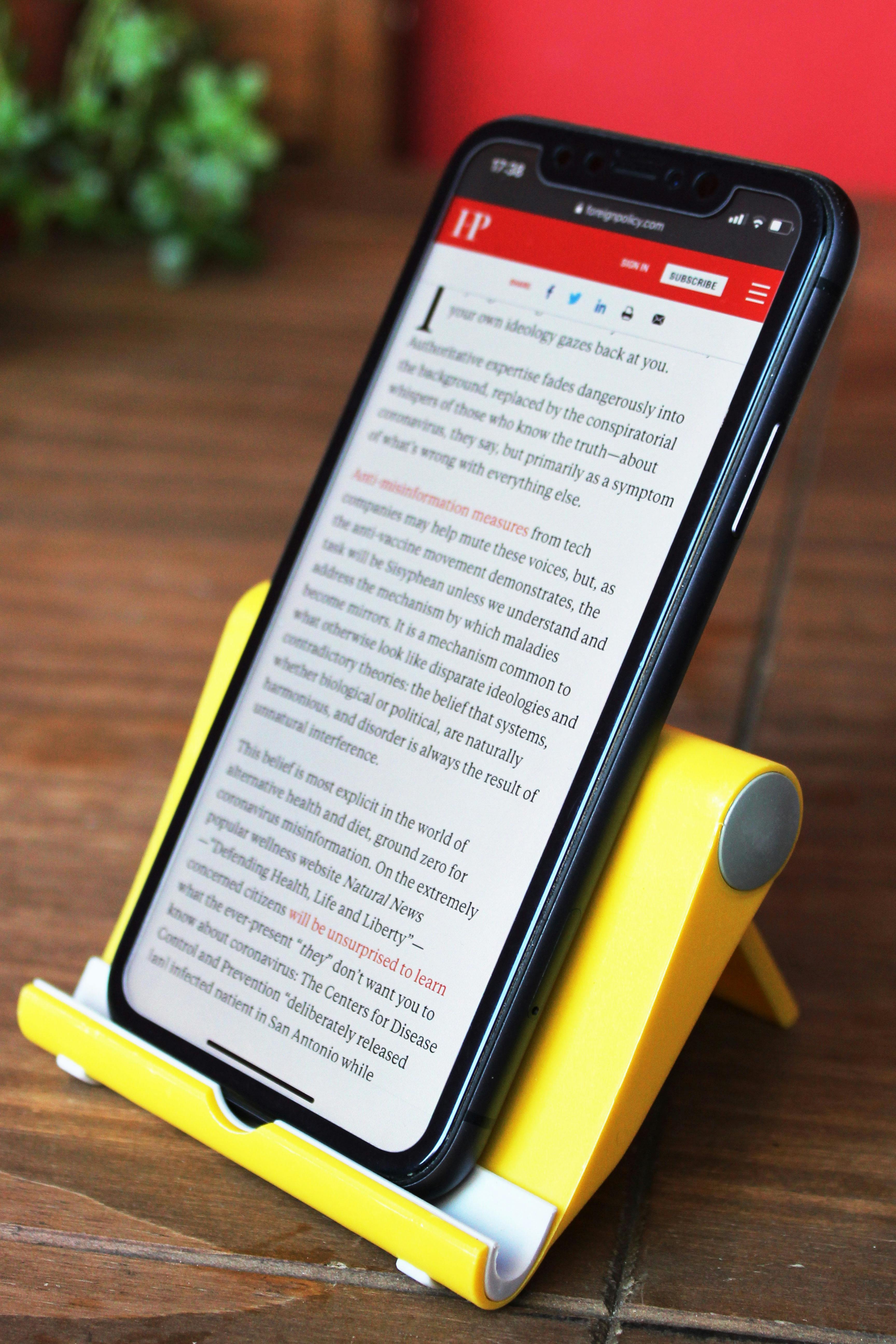
What is the sub-$40 smartphone push?
Short answer: a race to deliver basic smartphone functions for less than the cost of a budget wired headset, and it is a market trend shaped by telecom policy, donor programs, and thin-margin retailers. This movement is not a fad—it's a response to persistent demand from billions of mobile users who cannot afford typical $100+ entry phones, and it is also pushed by companies trying to expand scale, but the technical and supply-chain realities are unforgiving. Most people want calling, messaging, web access, and an app or two; manufacturers have to provide a functional Operating System with minimal slowdowns while keeping Processor choices cheap and power-efficient, and this requires careful engineering trade-offs.
When I tested many low-price models, the compromises I saw most often were cheap plastics instead of reinforced frames, low-resolution Display choices that saved money but reduced usability, anodized battery shells with smaller capacity to cut cost, and cameras that produced acceptable but unremarkable images—good enough for social sharing but not for enthusiasts. Here's the kicker: network certification and safety testing add fixed costs to every model, which are proportionally huge for ultra-cheap phones, and those certification costs often exceed the per-unit margin unless volumes are enormous. Let's be real.
Why are people pushing for phones at this price point? Short and blunt: inclusion and scale. Governments, NGOs, carriers, and manufacturers want to connect more people because connectivity is a familiar good—education, commerce, and social welfare improve when people have reasonable internet access. This is also a matter of stewardship: using human ingenuity to serve the common good requires products that are affordable, durable, and repairable, and that principle informs why some companies pursue ultra-low-price devices instead of only premium goods. But the economics are messy; consumers rarely tell the full story about costs, and advertisers certainly don't either.
Core Benefits/Importance
Cheap phones widen access fast. When manufacturers can sustainably ship devices at very low price points, millions gain internet access for the first time, which has measurable effects on education and microcommerce, but that does not mean every cheap phone is good for the user. The practical benefits to society are significant—students can access learning apps, small merchants can accept digital payments, and families can coordinate health care—but only when devices have reliable Battery Life, enough RAM and flash storage for essential apps, and a Processor that doesn't choke on basic tasks.
Here's what actually matters: the phone must have a usable Display with readable text under sunlight, a battery that lasts a day under typical usage, a Camera that records identity documents when needed, and an Operating System that receives security patches for at least a reasonable period. I've seen cheap phones that promise the world on spec sheets but fail in the field because the Processor couldn't handle background tasks, or because the Camera lacked autofocus and produced unusable photos for verification. Stop trusting box specs alone.
Core benefits, listed:
- Connectivity for more people—primary social good.
- Lower cost per connection—carriers can expand service.
- Scale benefits—component suppliers produce more, reducing prices further.
- Market entry—brands gain user bases for future upsell.
- Repair and reuse potential when designs are simple and modular.
Worth noting: many of these benefits depend on non-technical systems—logistics, after-sales service, and policies for e-waste—so cheap phones that die fast are a net loss compared with slightly more expensive durable options.

Step-by-Step Implementation/Guide
Step 1: define the baseline user needs clearly and ruthlessly—focus only on essential apps, calling, messaging, and light web browsing. Manufacturers need to pick minimal acceptable specs—modest Processor class, small but efficient Display, and a battery sized to match real-world Battery Life expectations—while cutting discretionary extras like premium glass or high-end Camera modules, but this trimming must be surgical, not blind.
Step 2: lock in a low-cost SoC by partnering early with a chipset vendor for a tailored design; you can't win this race by buying whatever is left over, because surplus or mismatched chips inflate software complexity and power draw, and this is a place where carriers and volume commitments matter. Step 3: optimize the Operating System to the hardware—strip unneeded services, use lightweight app stores or progressive web apps, and minimize background processes so that 1GB of RAM and 8–16GB of flash are usable. I recommend targeted software work because I've seen companies throw cheaper hardware at a generic OS and get poor results, whereas focused optimization makes a modest Processor feel acceptable.
Step 4: reduce logistics and certification costs with shared reference platforms and multi-market homologation—reuse the same board design across regions and negotiate blanket certifications where possible, and this is where large-scale procurement by public agencies can change unit economics. Step 5: design for repair and reuse—modular batteries, replaceable screens, and simple fasteners lower lifecycle costs and support stewardship goals; this small up-front design change can save resources and maintain trust. These steps sound obvious but are hard in practice because manufacturers must also preserve warranty margins, support channels, and compliance with carrier requirements.
Comparison Table
Below is a practical comparison between a hypothetical Sub-$40 smartphone built for scale and the more common $100 entry-level smartphone that people usually consider. The table shows pragmatic trade-offs in specs that buyers care about and in costs that producers face.
| Feature / Metric | Typical Sub-$40 Smartphone (Volume-driven) | Typical $100 Entry-Level Smartphone (Retail-driven) |
|---|
| Processor class | Low-end ARM Cortex-A35 equivalent, focused on efficiency | Lower-mid ARM Cortex-A53/A55 cores, better multitasking |
| Display | 5.0–5.5" 720p LCD, ~300–350 nits | 6.0" 720p–1080p LCD/OLED, 400–500 nits |
| RAM / Storage | 1–2 GB RAM, 8–16 GB eMMC | 3–4 GB RAM, 32–64 GB eMMC/UFS |
| Battery | 2,000–3,000 mAh optimized for light use | 3,000–5,000 mAh with longer runtime |
| Camera | 5–8 MP, fixed-focus, software-tuned exposure | 13–48 MP primary, autofocus, better low-light |
| Operating System | Lightweight Android Go or trimmed Android build | Stock Android or vendor-custom with more features |
| Certification & Testing | Minimal region-specific certification to control cost | Full carrier and regional certifications, durability tests |
| Repairability | Simple modular parts, limited replaceability | Better spare-part support, but complex assembly |
| Expected Lifespan | 1–2 years before performance issues | 2–4 years with acceptable performance |
| Typical Target Market | Subsidized programs, first-time users, rural markets | Price-sensitive consumers seeking smartphone features |
| Price Support Mechanism | Heavy reliance on subsidies, carrier deals, or NGO procurement | Retail margin, seasonal discounts, trade-ins |
Common Mistakes to Avoid
Thinking you can copy a premium spec sheet and cut price equally is naive. Many manufacturers chase headline specs—like megapixels or screen size—while ignoring those parts that actually affect daily utility, such as Battery Life under real-world usage, thermal throttling of the Processor, or the quality of the Operating System build; this is marketing theater, not engineering.
The most common errors I see: wrong SoC selection that creates software instability, underestimating regional certification costs and network band fragmentation, and skimping on thermal design so phones overheat under normal use. Those mistakes produce returns, service calls, and reputational damage faster than any initial margin benefit. Here's what to do instead: prioritize components that affect perceived quality—battery and display—before chasing marginal spec wins like higher megapixels.
Another pitfall is ignoring total cost of ownership—cheap up-front price but poor durability shifts costs to users and communities through replacements and e-waste. The ethical dimension matters: we should be stewards of resources and design devices that do not become disposable trash the week after warranty expires. If a product is intended for the common good, design choices must reflect durability and repairability even at the expense of a few dollars of margin.
Frequently Asked Questions
Can a real smartphone be sold for under US$40 without subsidies? Short answer: rarely, except in cases where scale is enormous or subsidies are present—carriers, governments, or NGOs commonly absorb the difference. In practice, a sub-$40 retail phone requires either extremely lean BOM (bill of materials) and logistics costs or external financial support, because certification, packaging, shipping, and a small margin add up.
Will the camera or display be useless at that price? No, but expect functional, not flagship-level, performance; cameras will handle daylight images and ID scans but struggle in low light, and displays will favor readability over color depth. How long will software updates last on cheap phones? Typically short—one year or less for security patches—unless the vendor commits to longer support and prices accordingly.
Is it better to buy a slightly more expensive phone for longevity? Most of the time yes—spending a modest extra amount usually yields a device that lasts longer, receives updates, and costs less per year over its lifetime. Which entities should lead this market shift toward durable low-cost phones? Public procurement, NGOs, and large carriers have the leverage; manufacturers respond when large volume buyers commit to clear requirements emphasizing longevity and repairability.

Final Thought
The sub-$40 smartphone is an admirable goal because it promises broader access and more opportunity, but it is not a magic bullet and it requires honest engineering and ethical choices. Companies that succeed will be those that accept narrow, functional product scopes rather than chasing check-box specs, and those that negotiate volume-driven supply chains while designing for repair and lifecycle responsibility—this aligns with a stewardship ethic that treats technology as a tool for human flourishing rather than mere consumption. I've seen cheap devices that perform admirably when vendors focus on the basics—readable Display, adequate Battery Life, optimized Operating System, and a stable Processor—and I've seen plenty that fail because they prioritized marketing over engineering.
Here's the practical takeaway: if you fund mass device distribution or buy a phone for long-term use, demand clear specifications for Battery Life, software update policy, and repairability, because those things determine whether the device serves people well or becomes waste. Be skeptical of headline prices without context, and support procurement models that reward durability and fair margins rather than disposable economics.
Further reading and related site sections: check our reviews of entry-level phones for practical scores, our gadgets hub for hardware trends, and our gear pages for repairability and accessory advice.