Tokyo matters in 2026 because it sits at the odd, useful intersection of capital, research, manufacturing, and serious consumer demand. It is not just a place...
Tokyo matters in 2026 because it sits at the odd, useful intersection of capital, research, manufacturing, and serious consumer demand. It is not just a place where gadgets are sold. It is where components are designed, robots are built, software is tested, and new habits are formed. That mix gives Tokyo a heavier role than the usual hype machine admits.
Key Takeaways
- Tokyo combines advanced hardware, AI research, and consumer electronics at scale.
- The city benefits from deep supply chains, dense talent, and a culture that respects precision.
- Startups, investors, and product teams can all learn from Tokyo’s operating style.
- The biggest draw is not novelty. It is disciplined execution.
- Tokyo’s strength also comes from restraint: technology is treated as a tool, not a false idol.
What is Tokyo in the context of tech? It is a mature, high-trust market where consumer electronics, robotics, AI, mobility, and enterprise software meet in a single city. I have watched plenty of cities call themselves innovation hubs, and most of that is brochure varnish. Tokyo is different. It has the density, money, manufacturing muscle, and demanding users that force products to improve fast. That matters because bad products do not survive long when users expect polish, durability, and clear utility.
Tokyo’s tech identity is also shaped by the way companies and people work. There is less tolerance for sloppy interfaces, half-baked features, and loud claims without results. Frankly, that is refreshing. A city that values precision tends to produce products with real fit and finish, which is why Tokyo influences everything from the smartphone supply chain to factory automation to retail systems. The city’s role in 2026 is not about a single viral company. It is about the total system.
Here is the kicker: Tokyo’s importance comes from balance. It does not chase hype alone. It still rewards engineering, reliability, and service. That is a practical kind of wisdom, and it fits an older moral truth too—human ingenuity should serve people, not the other way around. When technology respects human dignity and the common good, it lasts.
Tokyo also matters because it is a pressure test for global products. If something works in Tokyo, where users are exacting and space is scarce, it often works elsewhere. If it fails there, the weakness is usually obvious. That alone makes the city worth serious attention in 2026.
What is Tokyo in the context of tech?
Tokyo is a place where industrial depth meets consumer pressure, and that combination is rare. I have reviewed hundreds of products, and the pattern is obvious: cities with real technical gravity do not just host startups, they shape what “good” means. Tokyo does that by raising the bar across the board.
The city is tied closely to hardware, sensors, imaging, robotics, transportation systems, and the software that controls them. That matters because modern devices are not just chips and screens. They are systems. A phone, a delivery robot, a factory arm, or a rail payment platform all depend on the same careful discipline. Tokyo excels at that discipline.
Most tech commentary is soaked in marketing fluff. Here’s the truth: the city’s value is not a slogan, it is an operating environment. Companies in Tokyo face real constraints—limited space, high expectations, costly labor, dense logistics, and users who notice when a product is clumsy. Those pressures sharpen execution.
In my view, that is why Tokyo stands out in 2026. It is not a “buzz” place. It is a place where ideas either prove themselves or get thrown out. That is healthy. It also reflects a deeper stewardship principle: technology should be built with care, used responsibly, and directed toward the common good, not just shareholder theater. That is not preachy. It is common sense.
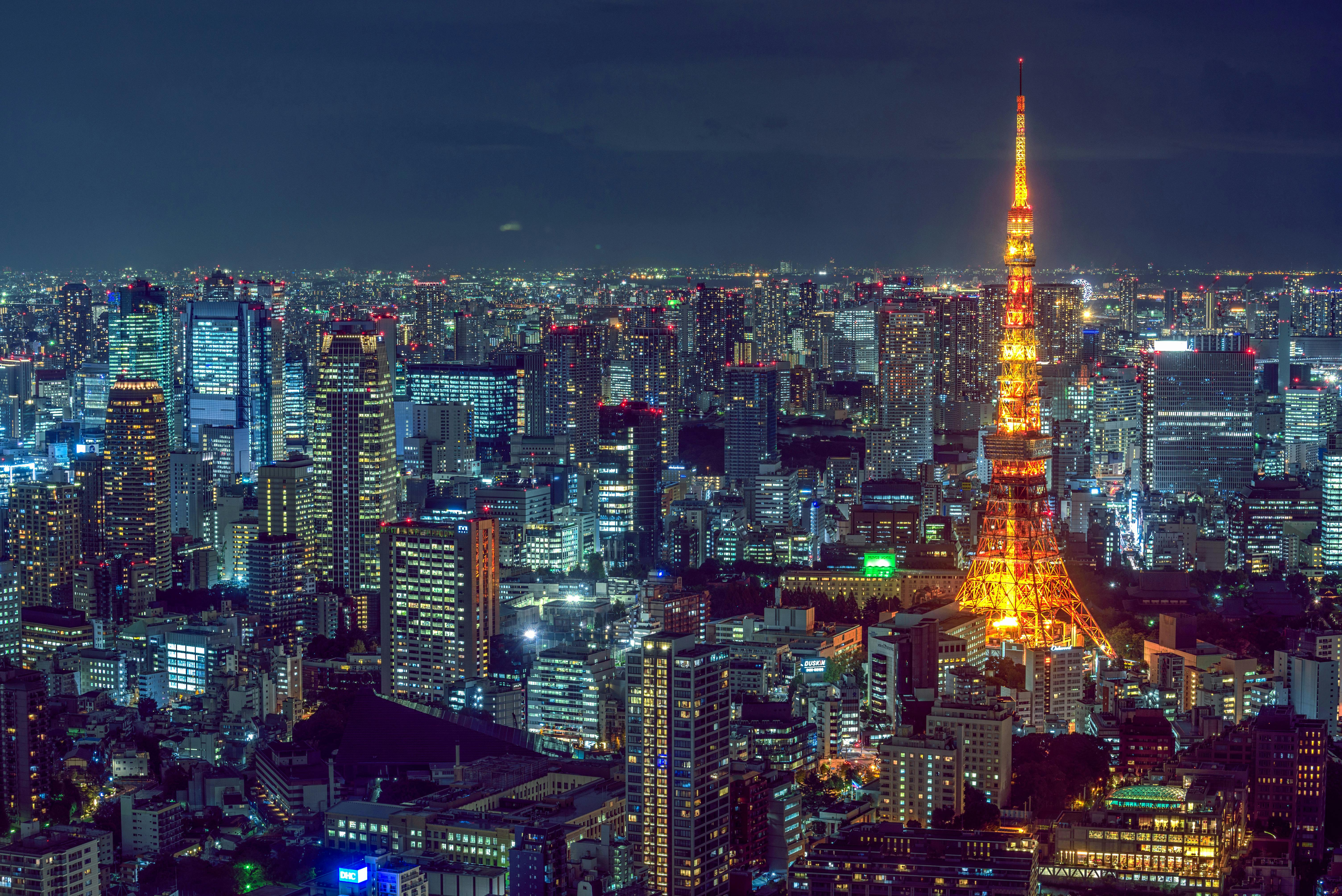
Tokyo also functions as a bridge between old and new. You see legacy manufacturers beside AI labs, retail giants beside app startups, and transport infrastructure beside sensor-heavy automation. The mix is messy, but useful. Real innovation usually is.
Core Benefits and Importance
What are the real benefits of Tokyo’s tech status? A lot of so-called experts list flashy perks and stop there. I do not buy that. The useful benefits are more grounded.
- Dense talent pools: Engineers, designers, manufacturing specialists, and systems thinkers sit close together, which shortens feedback loops and cuts waste.
- Hardware credibility: Tokyo still has real weight in semiconductors, sensors, imaging, robotics, and devices that must actually work in the hand.
- Consumer discipline: Japanese buyers are picky, so companies cannot hide behind marketing. That is good. It forces better design.
- Infrastructure quality: Transport, logistics, and urban systems make testing, shipping, and iteration easier than in many large cities.
- AI and robotics adoption: Tokyo is a place where automation is practical, not theoretical, especially in aging-care support, retail, logistics, and industrial settings.
- Market signaling: If a product wins attention in Tokyo, investors and competitors notice. That signal travels.
But let’s be real. Tokyo is not a magic machine. It can be expensive, slow, and conservative in some sectors. That is exactly why it matters. Scarcity and discipline expose weak ideas. When I look at cities that get overpraised, they often have one thing: noise. Tokyo has output.
There is also a broader civic point here. The best technology systems make life more humane, not merely faster. That is where Tokyo often gets credit it does not shout about. From transit systems to compact devices to practical automation, the city often aims for efficiency that serves ordinary people. That is a better standard than hype.
If you want a useful frame, think of Tokyo as a laboratory for serious products. Not cute products. Serious ones.
METI regularly highlights industrial policy and technology support, and that kind of backing helps explain why Japan remains relevant in advanced manufacturing. For broader context, the OECD’s Japan overview shows how industrial strength and demographic pressure shape the market conditions. That combination is awkward, yes, but also productive.
Step-by-Step Implementation Guide
How should a startup, investor, or product team approach Tokyo in 2026? Step by step, not with tourist-level optimism.
- Study the user, not the brochure. Start with local habits, pain points, and expectations. Tokyo users care about speed, clarity, and durability. When I evaluate product-market fit in Japan, I start with everyday behavior, not slide decks. That saves time and embarrassment.
- Map the supply chain. Tokyo is linked to manufacturing, component sourcing, and systems integration. If you are building hardware, robotics, or devices, trace who makes what, where it ships, and what gets bottlenecked. It sounds dull. It is not. It is where profits live.
- Localize properly. Translation is not localization. Interface design, support timing, payment behavior, data handling, and trust signals all matter. A sloppy launch here sticks out fast, and not in a good way.
- Find the right partners. Large firms, labs, accelerators, and distribution partners can matter more than a flashy pitch event. Tokyo rewards patience and respect. That is old-fashioned, yes, but it works.
- Test in real constraints. Small spaces, dense transit, high expectations, and exacting consumers are not side issues. They are the point. If your product depends on roomy homes, loose schedules, or broad forgiveness, you are going to have a rough week.
- Build for credibility. Claims need proof. Reliability, service, and long-term support matter. I have seen too many teams think a clever demo can replace actual performance. It cannot.
- Use Tokyo as a proving ground, then expand. If your product survives Tokyo, you have learned something useful about refinement, support, and resilience. That knowledge compounds.
What should you avoid? The temptation to treat Tokyo as just another stop on a world tour. It is a high-standard market with its own logic. Respect that, and you may get more than a launch. You may get a better product.
Here is what nobody tells you: a city can force you to become more honest. Tokyo does that. It trims hype, exposes weak assumptions, and rewards teams that care about the user rather than their own slide deck. That is useful if you believe technology should serve people instead of feeding vanity.
For practical market entry research, JETRO’s guides on setting up business in Japan are worth reading: JETRO business setup guidance. If you are looking at broader innovation policy and labor force realities, the World Economic Forum has useful coverage, though you still need to sift the gloss from the substance.
Comparison Table
How does Tokyo stack up against its biggest competitor as a tech destination? Singapore is the usual comparison, and for good reason. It is efficient, international, and investor-friendly. Still, the two cities do different things.
| Factor |
Tokyo |
Singapore |
| Core strength |
Hardware, robotics, consumer electronics, dense R&D |
Fintech, regional HQs, regulatory ease, cross-border business |
| Market size |
Massive domestic market |
Smaller domestic base, strong regional access |
| Manufacturing proximity |
Very strong |
Limited |
| Startup culture |
Strong, but more measured |
Fast, polished, highly international |
| Consumer testing |
Exacting and demanding |
Sophisticated, but less scale |
| Talent depth |
Deep engineering and industrial talent |
Deep finance, policy, and business talent |
| Cost structure |
High |
High, but often more predictable |
| Best use case |
Serious product development and validation |
Regional launchpad and corporate base |
Tokyo wins where products need depth, precision, and hard testing. Singapore wins where regional coordination and speed matter most. Different tools. Different jobs.

What does that mean in plain English? Tokyo is the better place to build and pressure-test physical products, sensor-driven systems, and consumer devices that must perform under scrutiny. Singapore is better for regional operations, finance, and fast business setup. If your company confuses those roles, you are setting money on fire.
Common Mistakes to Avoid
Most advice about entering a tech market is lazy. Here are the mistakes I see again and again.
- Confusing attention with adoption: A conference crowd is not a market. Plenty of firms get applause and no sales.
- Ignoring local standards: Japanese users and partners care about quality control, packaging, support, and small details. Skip them at your peril.
- Assuming English is enough: It is not. Language matters, but so do norms, timing, and business etiquette.
- Treating hardware like software: Hardware and devices need supply chains, service plans, and failure analysis. A software-only mindset causes messes.
- Overhyping AI without use cases: Tokyo is practical. If your AI cannot reduce time, cost, or error rates, it will not earn much respect.
- Chasing trendiness instead of usefulness: The city has room for innovation, but it still values products that actually help people live and work better.
The truth is, a lot of tech commentary is half religion, half sales pitch. I prefer boring evidence. Tokyo keeps rewarding teams that care about details, because details are where trust lives. That is not glamorous, but it is how useful systems get built.
Another mistake is moral blindness. Tech does not exist in a vacuum. A city like Tokyo reminds us that engineering should remain tied to human flourishing—safer streets, better mobility, cleaner energy, better elder care, better tools for work. If innovation loses that anchor, it turns sterile fast.
For context on Japan’s industrial and economic structure, the Japan External Trade Organization is a solid source. For corporate and policy trends, Nikkei Asia reports frequently on innovation, investment, and industrial shifts across the region.
Frequently Asked Questions
Why is Tokyo important for tech in 2026?
Tokyo combines hardware strength, AI research, consumer demand, and industrial depth, which makes it a serious center for product development and validation.
Is Tokyo better than Singapore for startups?
Not universally. Tokyo is better for hardware, robotics, and consumer testing. Singapore is often better for regional expansion and corporate setup.
Which industries are strongest in Tokyo tech?
Consumer electronics, robotics, semiconductors, mobility, enterprise software, and applied AI are among the strongest areas.
Can foreign startups succeed in Tokyo?
Yes, but only if they localize properly, respect business norms, and bring a product that solves a real problem. Loud pitching alone will not carry the day.
How does Tokyo influence global tech trends?
Through devices, component supply chains, robotics, and design expectations. If a product performs well in Tokyo, it often gains credibility elsewhere.
What kind of company should look at Tokyo first?
Hardware firms, robotics teams, mobility startups, AI companies with practical use cases, and consumer electronics brands should look hardest at Tokyo first.
Final Thought
Tokyo matters because it still believes that technology should be earned, not merely announced. That sounds almost quaint in an age full of vapor and vanity, but it is exactly why the city deserves attention in 2026. It rewards discipline, not noise; service, not swagger; and products that stand up to real life. I think that is the point a lot of tech observers miss. A city becomes important when it helps people build things that last. Tokyo does that, and it does it without asking for applause.
It also offers a useful corrective. Bigger is not always better. Faster is not always wiser. Newer is not always good. When technology is ordered toward useful work, honest trade, and the dignity of the person, it becomes more than a market story. It becomes stewardship. Tokyo understands that better than most places, and in 2026 that difference will matter more than ever.
Sources: