Sam Altman’s World is trying to make “proof of personhood” a normal part of online life. That is the real story.
Sam Altman’s World is trying to make “proof of personhood” a normal part of online life. That is the real story.
Most people will hear “iris scan” and stop there, which is lazy thinking, because the actual play is broader: build a system that can separate humans from bots, then sell that trust layer to apps that are tired of fake accounts, spam, scams, and synthetic activity. Tinder is the first high-visibility partner, and that matters because dating is one of the messiest places on the internet for identity fraud.
Key Takeaways- World is not just a gadget story; it is an identity infrastructure bet.
- Tinder gives the project a practical use case where fake profiles hurt real users.
- Human verification sounds simple, but privacy, consent, and adoption are the hard parts.
- The real competition is not another app; it is every other method of proving someone is a real person.
- The issue is not whether bots exist. They do.
- The issue is who gets trusted to sort them out.
What is World?
World is a digital identity project built around proving a user is a unique human being, not an automated account, not a duplicate farm, and not a cheap impersonation ring. The company’s core idea is simple enough to say out loud and hard enough to pull off in the real world: verify a person once, then let that proof travel across services that need it.
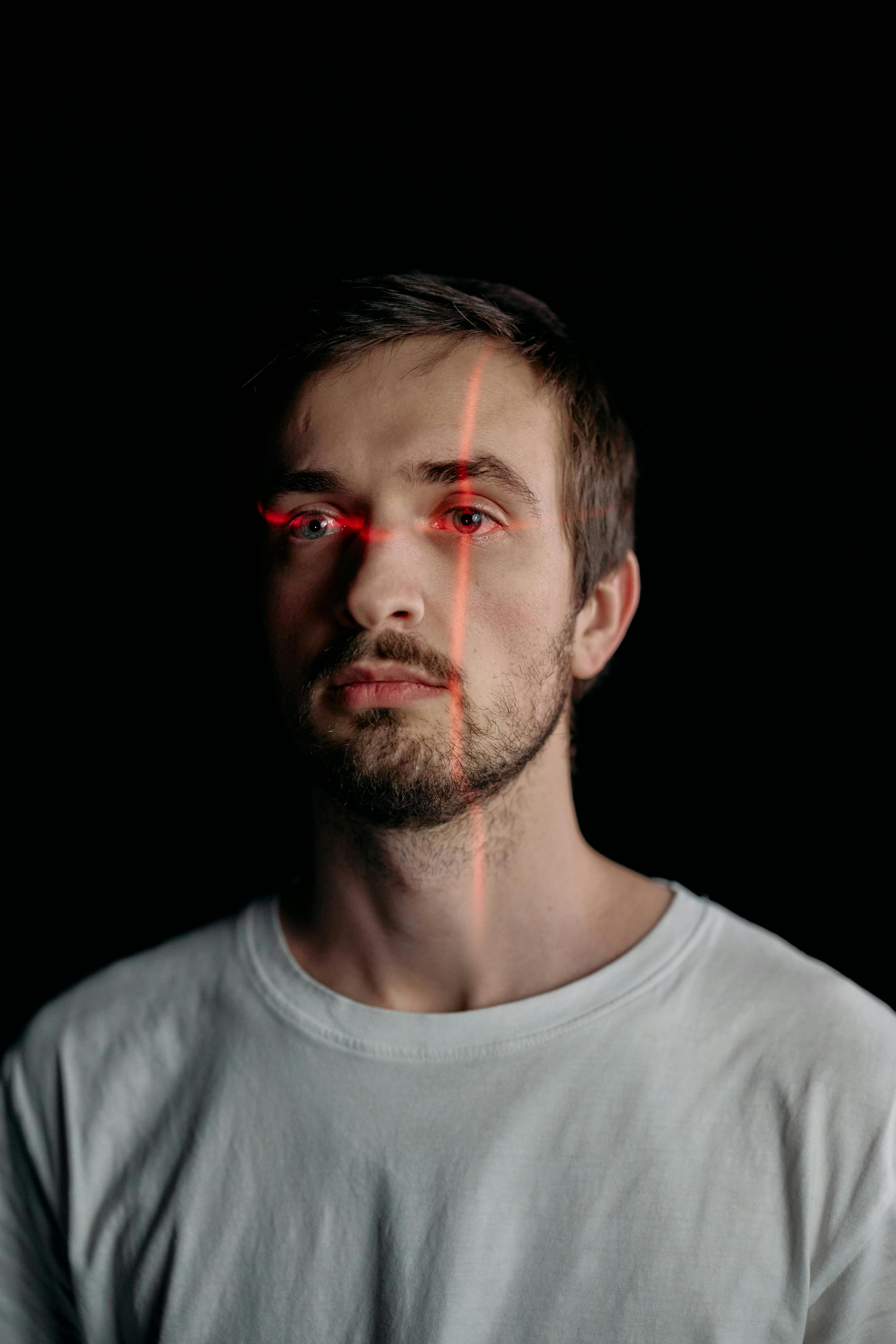
The system uses a device called the Orb to scan a person’s iris and create a biometric-based proof that they are unique. That proof is then tied to a World ID. On paper, the pitch is neat. In practice, it is thorny, because biometric systems always raise the same ugly questions: how much data is stored, who controls it, whether users really understand the tradeoffs, and whether the consent model is honest or just “agree and move on.”
I’ve reviewed enough consumer tech to know this much: if a company says “trust us” and then asks for biometric data, skepticism is not optional. It is common sense.
What makes World interesting is not the hardware alone. The Orb is just the front end. The deeper idea is that identity could become a reusable layer across apps, and that layer might be valuable precisely because the internet is increasingly full of fake behavior. Spam is cheaper. Bots are more convincing. AI content is flooding every corner of the web. Even good moderation teams are getting tired. In that mess, a system that can say “this is a unique human” has obvious appeal.
But obvious appeal is not the same as public trust.
World also sits in the middle of a philosophical tension that tech companies rarely admit. Human beings are not just data points to be sorted. They are persons with dignity, and any system that measures them ought to be careful not to flatten them into a profile or a score. That sounds lofty, but it matters here. A verification system should serve people, not reduce them.
If you want a plain-English comparison of where identity tech keeps running into trouble, see this broader discussion of biometric privacy risks and why users keep hesitating even when the use case looks useful.
Why Tinder first?
Because dating apps have a trust problem that nobody wants to sugarcoat.
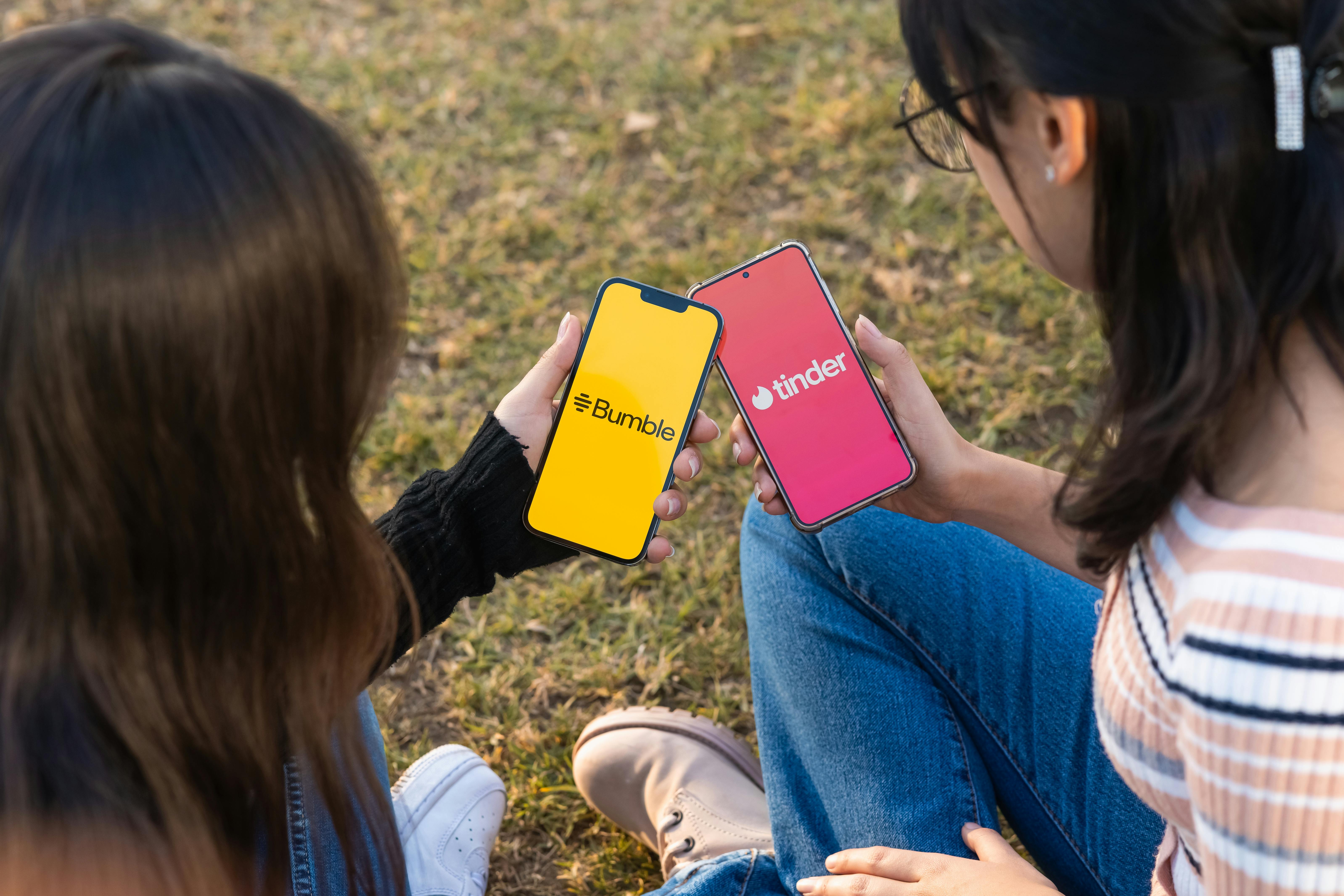
Fake profiles waste time, scam people, and poison the basic social contract of the app. When I test consumer platforms, the signal is usually the same: users will tolerate a lot of friction if it blocks obvious abuse. Dating is a perfect example. If a platform can reduce catfishing and spam without making every login a slog, people notice.
Tinder is a smart first partner for another reason. The app already lives in a world where identity matters a great deal, but where full government-ID verification can feel heavy-handed. Users want some confidence that the person behind the profile is real, yet they do not necessarily want to hand over a passport to swipe right. World tries to land in the middle: strong enough to be useful, not so invasive that it drives everyone away.
Here’s the kicker: if World works on Tinder, it becomes easier to pitch to other platforms. Marketplaces, social apps, gaming communities, ticketing systems, creator platforms, and even workplace tools all have the same headache in different clothes. They need a way to tell humans from junk without becoming surveillance machines.
Still, Tinder is also a brutal proving ground. Dating app users are skeptical by nature. They should be. They are being asked to trust a system that touches biometrics, identity, and platform moderation all at once. If the rollout feels clunky, or if the privacy story sounds slippery, adoption could stall fast.
And that’s before regulators start asking sharp questions.
What is World actually trying to solve?
Three things, mainly.
First, it wants to cut down on fake accounts. That is the obvious one. If a platform can make it harder to create many identities cheaply, abuse becomes more expensive.
Second, it wants to create friction for bots and AI-driven spam. This is becoming more important by the month. Automated content is cheap, and cheap content tends to flood any platform that leaves the door open.
Third, it wants to create a portable trust signal. That is the ambitious part. If World ID becomes accepted across services, users could prove they are human without repeating the same verification steps everywhere.
That last bit is what makes the project valuable and risky at the same time.
Valuable, because repeated identity checks are annoying.
Risky, because a portable identity layer becomes powerful very quickly.
Power is the problem tech people often hand-wave away. The more useful an identity network becomes, the more attractive it is to attackers, opportunists, and bureaucrats with a taste for control. Human dignity is preserved by restraint, not by vague promises in a privacy policy.
If you want another source that frames the business side of identity and trust, the reporting around World’s partner strategy is worth reading at The Verge’s coverage of World and Tinder.
Core benefits and why people may care
Let’s be real. Most tech reviews get this wrong because they talk about “innovation” and ignore the actual pain points.
- Less spam and fewer fake profiles: This is the most obvious win. People hate wasting time on accounts that are clearly fake.
- Better platform trust: If a service can prove that a user is real, moderation becomes easier, or at least less hopeless.
- Reusable verification: One identity check across multiple services could reduce repeated sign-up friction.
- Bot resistance: As AI-generated activity becomes more convincing, a human proof layer gets more appealing.
- Better user confidence: In dating, commerce, and social media, trust is not a luxury. It is the whole product.
- Potentially cleaner communities: Fewer fake accounts can mean fewer scams, fewer harassment throwaways, and less noise.
But there is a catch, and it matters.
The benefit is only real if users believe the system is fair, private, and not a trap. If they think the company is quietly building a biometric toll road, the whole pitch collapses. Trust is not extracted. It is earned.
There is also a moral angle that gets ignored in glossy product coverage. Technology should serve the common good, and the common good includes protecting the vulnerable from scams, impersonation, and fraud. A decent verification system can help. A careless one can do the opposite. That is not abstract theology. It is basic prudence.
I’ve seen enough product launches to know that the strongest feature can become a liability if the rollout feels pushy. People do not like being forced into a system they barely understand.
A useful way to think about World is this: it may be less about “identity” and more about “trust economics.” If the cost of faking a human goes up, some bad behavior falls away. Not all of it. Just enough to matter.
How does it work in practice?
The process is straightforward on the surface and messy underneath.
- A user goes to an Orb or an Orb operator.
- The device scans the iris to confirm uniqueness.
- The system creates a World ID tied to that unique human.
- Partner apps can ask for proof of personhood instead of full identity details.
- The user can theoretically prove they are real without exposing the full biometric data every time.
That sounds tidy. It is not.
The implementation details matter more than the marketing. Where is the biometric data stored? What is retained? What can be revoked? What happens if a user changes their mind? How are minors handled? What if the verification model is wrong, or if the hardware rollout favors some regions over others? These are not edge cases. They are the hard center of the problem.
When I analyze systems like this, I look for three things: consent quality, data minimization, and exit options. If any one of those is weak, the whole structure starts to wobble.
Here is a practical checklist for users and platform operators:
- Ask what data is collected
If the answer is vague, that is a red flag. - Ask where the data lives
Storage location and access controls matter. - Ask whether the proof is revocable
If users cannot withdraw, the system is too sticky. - Ask how false positives are handled
A real user getting blocked is not a minor bug. - Ask whether participation is optional
Coercion kills trust. - Ask how the service handles abuse reports
Verification is not moderation. It is only one tool.
If you want a broader look at how tech companies handle identity and authentication tradeoffs, this practical guide to two-step verification basics is a good contrast point, because it shows how much users already tolerate when the benefit is clear.
Comparison table
| Feature | World + Tinder | Traditional email/phone verification | Government ID verification |
|---|
| Proof of personhood | Strong | Weak | Strong |
| Privacy burden | Medium to high, depending on implementation | Low to medium | High |
| Fraud resistance | High potential | Low | High |
| User friction | Medium | Low | High |
| Reusability across apps | High potential | Low | Low to medium |
| Accessibility | Depends on Orb availability | Very high | Depends on local rules |
| Trust issue | Biometric and governance concerns | Simpler but easier to abuse | Heavy data exposure concerns |
| Best use case | Platforms fighting fake accounts | Basic account creation | High-trust or regulated services |
The table tells the story without the sales pitch.
Traditional email or phone checks are cheap and easy, but they are also weak. Disposable numbers and throwaway emails are everywhere. Government ID checks are stronger, but they feel intrusive and can exclude users who lack documentation or simply do not want to hand over that level of information.
World is trying to sit in the awkward middle. That is either clever or dangerous, depending on implementation.
The comparison with other identity systems also helps expose the nonsense that often surrounds this topic. No method is perfect. Every method trades off convenience, privacy, cost, and fraud resistance. Anyone claiming otherwise is either selling something or not paying attention.
The biggest competitor is not another biometric company.
It is inertia.
Common mistakes to avoid
People make the same mistakes with identity tech over and over. It gets old.
- Treating verification as the same thing as trust: A verified account can still behave badly. Verification helps, but it does not make someone decent.
- Ignoring consent language: “Users agreed” is not the same as users understood.
- Assuming privacy concerns are just noise: They are not. Users care, and regulators care more every year.
- Confusing anti-bot tools with a full safety strategy: Bots are only one part of the abuse problem.
- Overpromising adoption: People do not adopt identity systems just because engineers think the architecture is elegant.
- Downplaying cultural resistance: In some places, biometric collection is a hard no. Pretending otherwise is foolish.
- Skipping the exit plan: If users can enter but not leave, the system starts looking like a trap.
Here’s the part many commentators miss: if a verification system makes normal users feel watched, the product becomes emotionally expensive. That feeling kills adoption faster than a technical bug report ever will.
Most advice out there is too cheerful. It says “reduce friction” and calls it a day. Frankly, the real problem is not friction alone. It is whether the friction is justified. People will put up with a small hassle if the payoff is clear and honorable. They will not tolerate a scheme that feels sneaky.
That is why the ethical framing matters. A system should protect users, not turn them into inventory.
For readers who want more context on how platform policy and trust interact, the reporting at The New York Times on World and Tinder is useful because it shows how quickly identity infrastructure becomes a public debate, not just a product feature.
Frequently Asked Questions
What is World in simple terms?
World is a human verification system that aims to prove a person is unique and real, then let that proof be used across different apps and services.
Why would Tinder use World?
Tinder could use World to help reduce fake profiles, spam, and scams by adding a proof-of-personhood layer for users.
Does World replace regular account verification?
No. World is better understood as an additional trust layer, not a full replacement for email, phone, or platform moderation.
Is biometric verification safe?
Biometric verification can be handled responsibly, but it always raises privacy and governance questions. Safety depends on what data is collected, how it is stored, and how much control users have.
Final thought
World’s move into Tinder is not some cute product tie-in. It is a serious test of whether people will accept biometric-based proof of personhood as a normal part of online life.
That is a bigger question than dating. It reaches into commerce, social media, fraud prevention, civic trust, and the basic shape of digital identity. If the system is transparent, limited, and genuinely optional, it may earn a place. If it feels coercive or opaque, it will run straight into a wall of justified suspicion.
I remain cautious. That is not cynicism. It is discipline.
Technology is a gift when it serves truth, protects the vulnerable, and respects the person behind the screen. When it forgets that, it becomes just another machine asking for more than it should.
The market will decide a lot here. Human beings will decide the rest.