Zuckerberg’s yacht, Meta’s layoffs, a robot pizza flameout, and an AI bill nobody wants to read all point to the same thing: tech money is getting tight...
Zuckerberg’s yacht, Meta’s layoffs, a robot pizza flameout, and an AI bill nobody wants to read all point to the same thing: tech money is getting tight, and hype is starting to meet arithmetic. Frankly, the gadgets are still flashy. The spreadsheets are not.
Key Takeaways
- AI spend is real spend: GPUs, data centers, power, and talent cost far more than press releases suggest.
- Layoffs often follow overreach: when growth slows, headcount gets treated like a valve.
- Automation still needs supervision: robots can fail in obvious ways, like bad pizza timing or worse engineering assumptions.
- Luxury tech symbols matter: executive extravagance and company austerity send different signals to employees and investors.
- Stewardship beats spectacle: useful innovation should serve people, not just inflate status.
What is the real story behind Zuckerberg’s yacht, Meta layoffs, robot pizza, and AI expenses?
It is the collision of image and economics. The yacht is the image. The layoffs are the economics. The robot pizza failure is the cautionary tale. The AI expense bill is the ugly ledger underneath it all. When I look at tech firms now, I do not see limitless growth. I see a harder math problem.
Zuckerberg’s yacht stories, no matter how much social media pokes at them, are not really about a boat. They are about what people notice when a company trims payroll while the public sees luxury at the top. That contrast stings. It always has. A firm can argue that executive assets are private or unrelated to operations, and sure, that may be technically true. Still, perception is not a rounding error. It shapes morale, trust, and the sense that leadership is playing by one rule while everyone else absorbs the cuts.
Meta’s layoffs fit the same pattern. Tech companies hired aggressively during the cheap-money years, then discovered that ad markets, growth forecasts, and investor patience have limits. The truth is, when you build for a future that arrives slower than expected, the headcount tab gets ugly fast. I have reviewed enough product launches and corporate pivots to know the script: overpromise, overhire, correct violently.
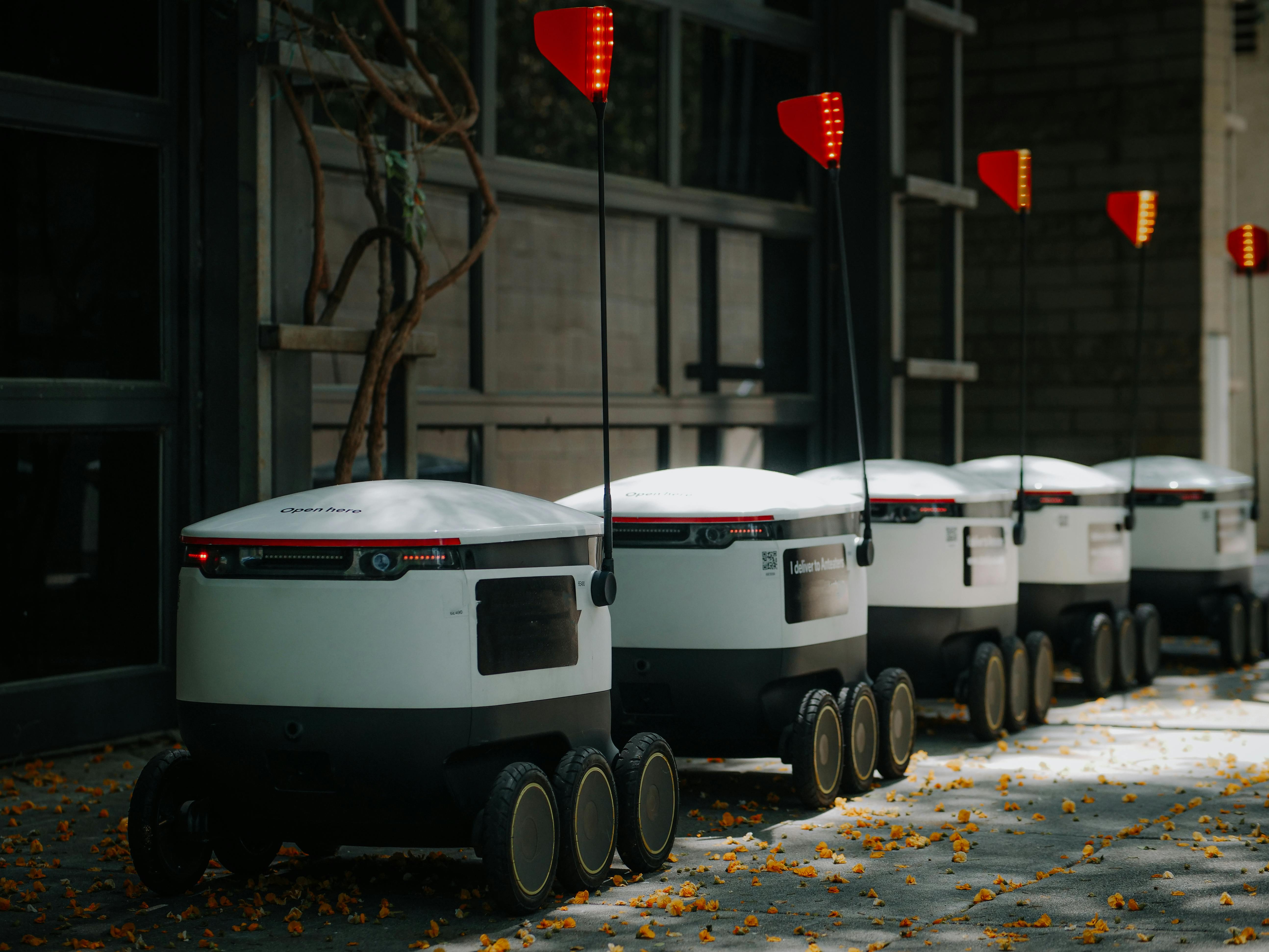
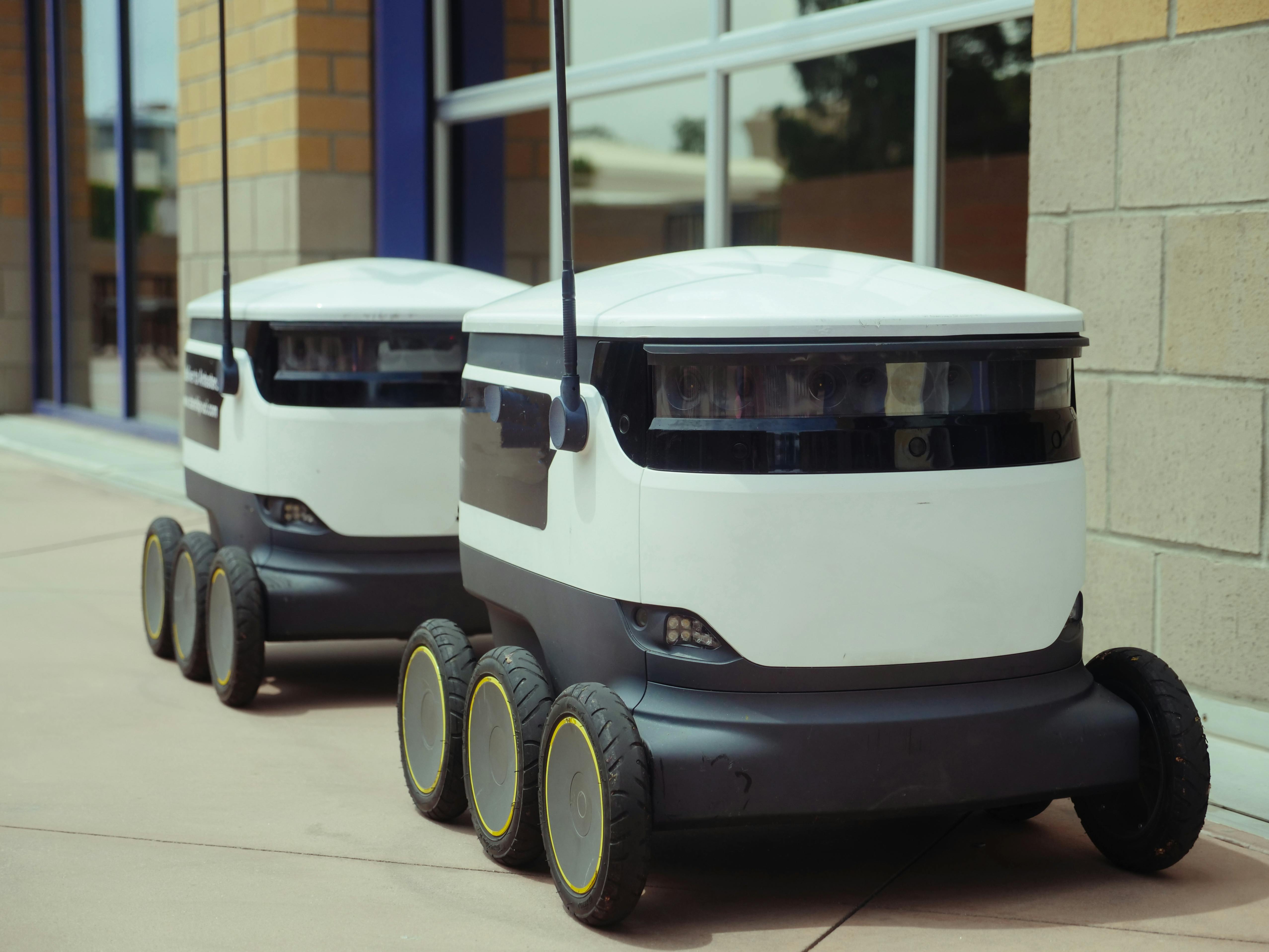
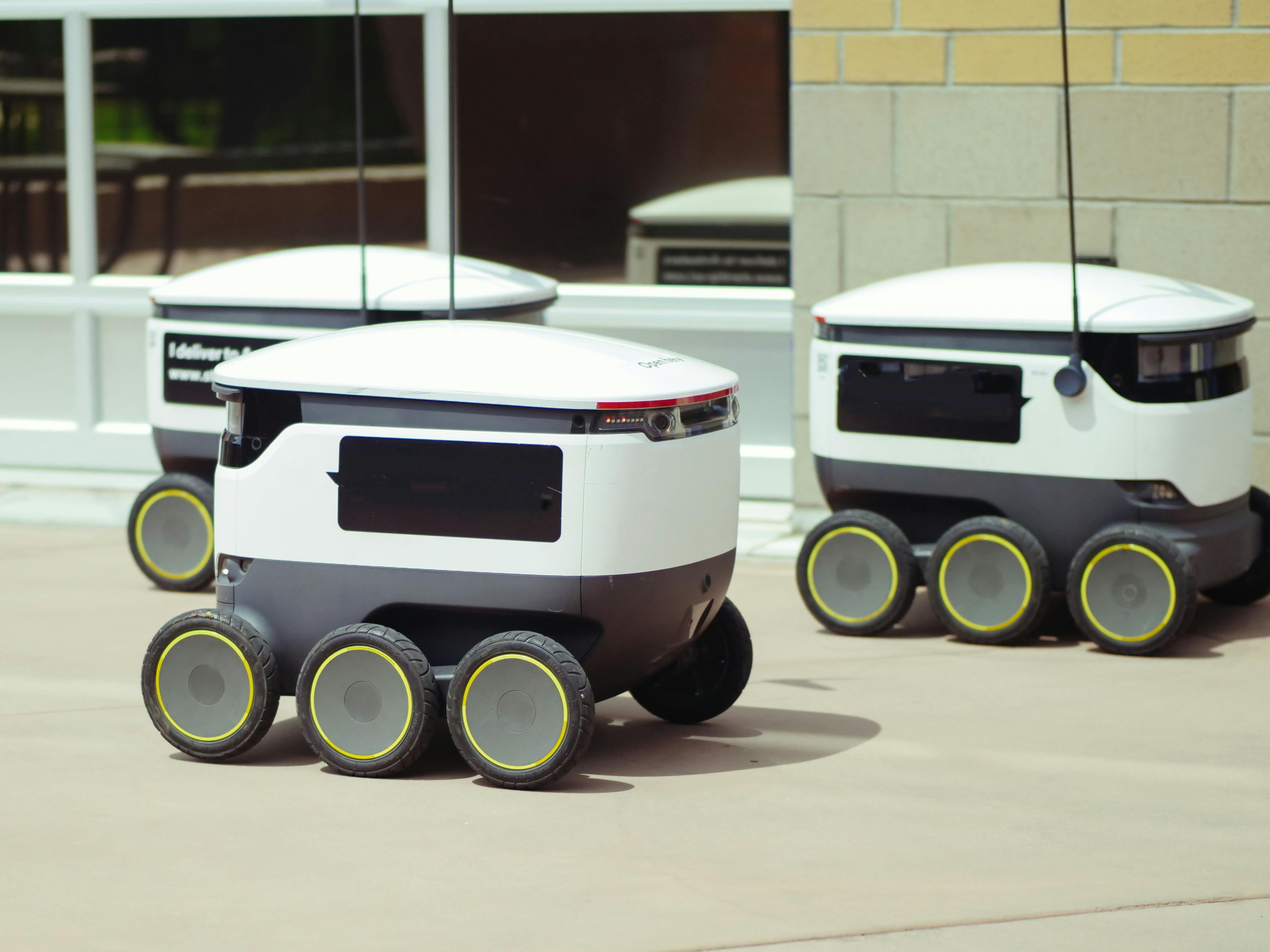
The robot pizza flameout is the comic version of the same problem. Automation sells best when the demo works and the sensor stack behaves. Then reality shows up with a grease stain. Food robotics, warehouse robotics, customer service bots, and all the rest share one weakness: they are only as good as the assumptions behind them. One missed thermal reading, one misaligned arm, one software edge case, and the whole show looks silly.
AI expenses are the real iceberg. Everyone talks about models, but few people want to talk about inference cost, training cost, electricity, cooling, specialized chips, data pipelines, compliance, and talent retention. Those are not minor line items. They are the bill. If you want context on the broader AI push, see my analysis of AI economics and why the bill keeps growing, or the practical tradeoffs in data center costs and power demand. That is the part executives prefer to keep behind the curtain.
Here’s the kicker. Technology is still useful, but usefulness does not cancel responsibility. In a Catholic sense, ingenuity is a gift, not a license to waste people, capital, or attention. Tools should serve the common good. When they become vanity projects, or when workers are treated as disposable while prestige assets remain untouched, something is out of order.
Core Benefits and Why This Matters
This story matters because it shows where tech is heading when the easy money is gone. The market is still enthusiastic, but it is no longer gullible. That is healthy.
- It exposes the cost structure of AI. The public hears “AI” and thinks software. In practice, it is hardware, energy, labor, and time. A model is not magic. It is a furnace with a user interface.
- It shows how layoffs are used as correction. Companies often trim payroll before they admit strategic mistakes. That is blunt, but true. You can call it efficiency if you want. I call it accounting with a PR team.
- It reminds buyers that automation has limits. A robot can cook a pizza, sort a package, or answer a chat prompt, but only if the environment is tightly controlled. The real world is messy. Cheese slides. People interrupt. Sensors drift.
- It highlights leadership credibility. When workers see cuts alongside luxury optics, trust erodes. Maybe unfairly in some cases, but not randomly. Leadership is always communicating, even when it says nothing.
- It pushes investors toward discipline. The era of “spend first, justify later” is fading. If AI products cannot prove value, the market will eventually treat them like any other expensive hobby.
- It supports better stewardship. Money, labor, and compute are finite. That seems obvious, yet tech culture often acts as if abundance is a law of nature. It is not. Prudent use matters.
Frankly, the contrarian view is simple: not every flashy tech company is building something durable. Some are just renting attention. Some are burning cash to buy time. Some are doing both.
If you want to see how this plays out in consumer gear rather than corporate strategy, compare the discipline in best laptops for practical work with the wasteful circus of overbuilt machines that look impressive and age badly. Same principle, different scale.
And yes, there is still upside. AI can reduce repetitive work. Robotics can improve safety. Better logistics can cut waste. But the good only appears when the system is built for people, not just for headlines. That distinction matters. It always will.
Step-by-Step: How to Read Tech Hype Without Getting Played
I have watched enough product cycles to know that most people do not need more news. They need a filter. The filter is simple.
- Start with the bill, not the buzz. Ask what the thing costs to build, run, maintain, and replace. If the answer is vague, the hype is doing too much work. AI is notorious here. Training costs are only the opening act.
- Check whether the product survives contact with reality. Demos are theater. Production is where the truth lives. Robot pizza systems, automated kiosks, and AI copilots all look clean in controlled settings. Then the first edge case shows up and the wheels come off.
- Compare promises to measurable outputs. Does the product save time, increase revenue, reduce error, or improve safety? If not, it is probably a novelty dressed as a strategy.
- Watch company behavior, not just product language. Layoffs, hiring freezes, capex expansion, executive perks, and cloud spend tell you more than keynote slides. I trust expense behavior more than vision statements.
- Separate engineering wins from moral wins. Something can be technically impressive and still be a bad use of resources. That is not anti-innovation. That is prudence. Human dignity comes first. Always.
- Ask who carries the downside. If a robot breaks, who fixes it? If AI hallucinates, who checks the output? If layoffs land, who pays the social cost? Usually not the people giving the presentation.
- Demand boring details. Error rates. Power usage. Repair time. Churn. Uptime. Gross margin. These are dull. They are also where quality lives.
- Assume scale changes everything. A demo that works for ten users can fail at ten million. Infrastructure is unforgiving. So is public scrutiny.
When I evaluate a product or a company, I keep coming back to one question: does this serve actual people, or just the egos around the table? That sounds almost old-fashioned, but it cuts through nonsense faster than any analyst deck.
For a more concrete consumer example, I would point readers to smartphone buying advice, because phones make the same mistake at smaller scale: too much flash, not enough battery, repairability, or long-term value. If the device fails the basics, the bells and whistles are decoration.
Comparison Table: AI Spending Heavyweights vs. Practical Efficiency
Here is the part most companies would rather you ignore. The table below compares the current AI-heavy, expansion-first approach with a more restrained, value-first model.
| Factor | Expansion-First AI Strategy | Practical Efficiency Strategy |
|---|
| Upfront Spend | Very high | Controlled |
| Hardware Needs | Massive GPU clusters, cooling, power | Targeted infrastructure |
| Headcount Impact | Frequent hiring, then layoffs | Slower growth, steadier teams |
| Time to Value | Often slow | Faster, narrower wins |
| Risk Level | High operational burn | Lower burn, clearer returns |
| Public Perception | Flashy, often overhyped | Less glamorous, more credible |
| Sustainability | Questionable at scale | Better long-term discipline |
| Example Failure Mode | Robot demo collapses, AI bill spikes | Fewer demos, fewer surprises |
If you want a comparison against a real-world competitor in the consumer space, the same logic applies to flashy devices versus practical ones. Take the discipline discussed in wireless earbuds that actually last. Battery life, fit, and reliability beat marketing sizzle every time.
The numbers matter because they reveal the difference between a strategy and a stunt. One can last. The other burns bright and vanishes. That is the problem with a lot of current AI spending. The company may be building something real, but it may also be paying for prestige, speed, and fear of missing out. Those are expensive motivations.
Common Mistakes to Avoid
Most people make the same errors when they read tech headlines. The mistakes are predictable. That does not make them harmless.
- Mistaking scale for value. A huge AI model is not automatically a useful one. Bigger often means costlier, not better.
- Assuming automation removes accountability. It does not. Someone still has to own errors, failures, and customer pain.
- Treating layoffs as proof of efficiency. Sometimes they are. Often they are evidence of bad planning, inflated hiring, or bad timing. Do not romanticize them.
- Believing demos are evidence of readiness. A robot serving pizza on stage is not the same as a robot surviving dinner rushes, supply quirks, and maintenance gaps.
- Ignoring morale and trust. Workers are not interchangeable widgets. A company that forgets that eventually pays for it in attrition, quality, and silence.
- Buying into “AI everywhere” nonsense. Some tasks need AI. Many do not. Sometimes a script, a workflow, or a better human process is enough. That is less glamorous and more honest.
- Overlooking operating costs. People obsess over launch costs and forget the monthly burn. The monthly burn is what kills weak ideas.
Let’s be real. Tech commentary often turns into fan fiction. Every gadget is a revolution. Every model is intelligence. Every round of layoffs is “strategic repositioning.” I prefer verbs that mean something. Cut. Build. Fix. Measure. Repeat.
One more thing. There is a moral hazard in praising efficiency while ignoring the human residue. A company can optimize itself into a colder place. That may improve some ratios and still make the organization less fit for actual life. Good stewardship means weighing more than margin.
If you are comparing products rather than headlines, check any serious product review guide that measures battery, serviceability, and support rather than glitter. It saves money and grief.
Frequently Asked Questions
Why are AI costs so high?
AI costs are high because the stack is heavy. You pay for chips, electricity, cooling, storage, networking, engineers, safety work, and ongoing inference. The model is only part of the bill.
Why do tech layoffs happen after big hiring waves?
Because companies often hire for growth they assume will continue. When revenue, ad spend, or investor patience slows, payroll gets adjusted fast. That is not glamorous, but it is common.
Are robot pizza systems actually useful?
In some controlled settings, yes. But utility depends on reliability, throughput, maintenance, and food quality. A failed demo is not proof the category is useless; it is proof the field is harder than the pitch deck suggested.
What should investors or buyers look for instead of hype?
Look for clear use cases, measurable savings, lower error rates, manageable operating costs, and signs the company can survive without constant novelty. Boring evidence beats clever slogans.
Final Thought
Technology is not the enemy. Pride is. That is the blunt version, and it fits.
The yacht, the layoffs, the robot pizza mess, and the AI expense problem all point to the same discipline gap. We are very good at making machines and terrible at remembering why we made them in the first place. A society, or a company, stays healthy when tools serve people, not status. That is old wisdom, and it remains correct.
I am not against ambition. I am against waste dressed up as progress. If a system improves real work, reduces harm, and treats people with basic fairness, it deserves respect. If it mainly generates headlines while shifting risk onto employees, customers, or the public, then it is not visionary. It is just expensive.
The market will sort out some of this on its own. It always does, though not always quickly. Meanwhile, the smarter move is simple. Ask what something costs. Ask who benefits. Ask who pays when it fails. Those are not cynical questions. They are the questions adults ask before they sign the check.